Crucifixion and Last Judgement diptych by Jan van Eyck
The Crucifixion and Last Judgement diptych by Jan van Eyck, painted around 1440, is a masterpiece of the Northern Renaissance small enough to hold in both hands, but its history is more cinematic than its size suggests. It now lives at the Metropolitan Museum of Art in New York, where a legal battle proved it should have been there all along.
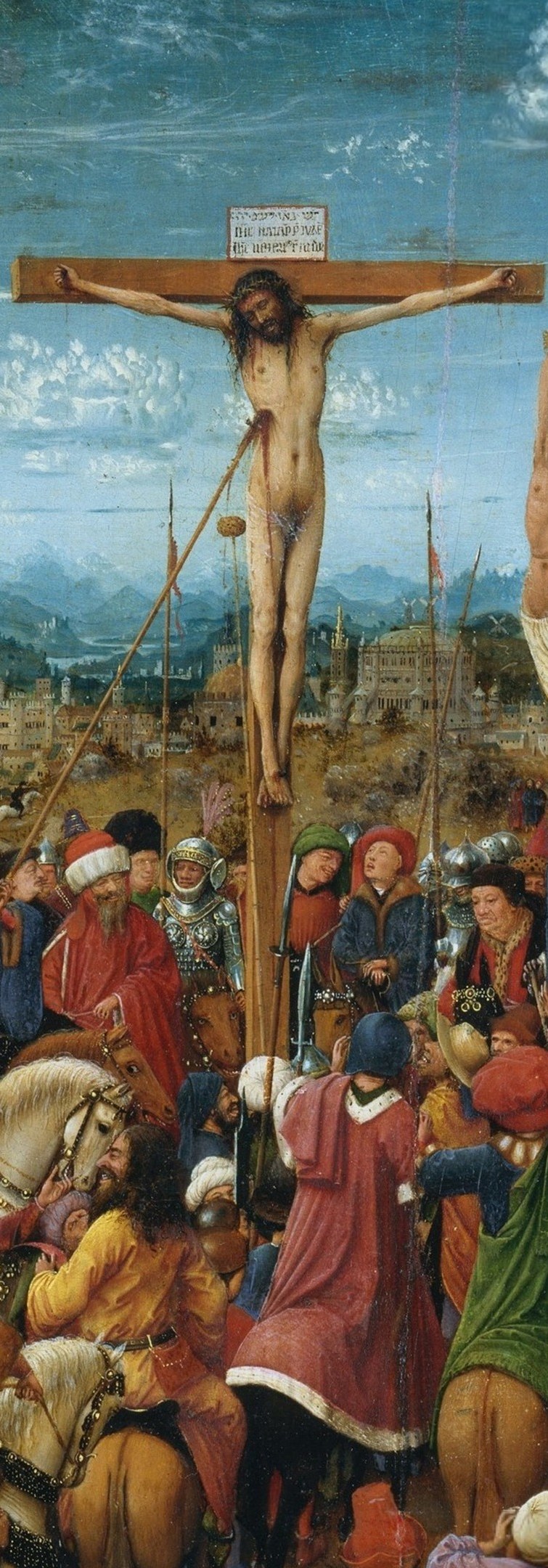
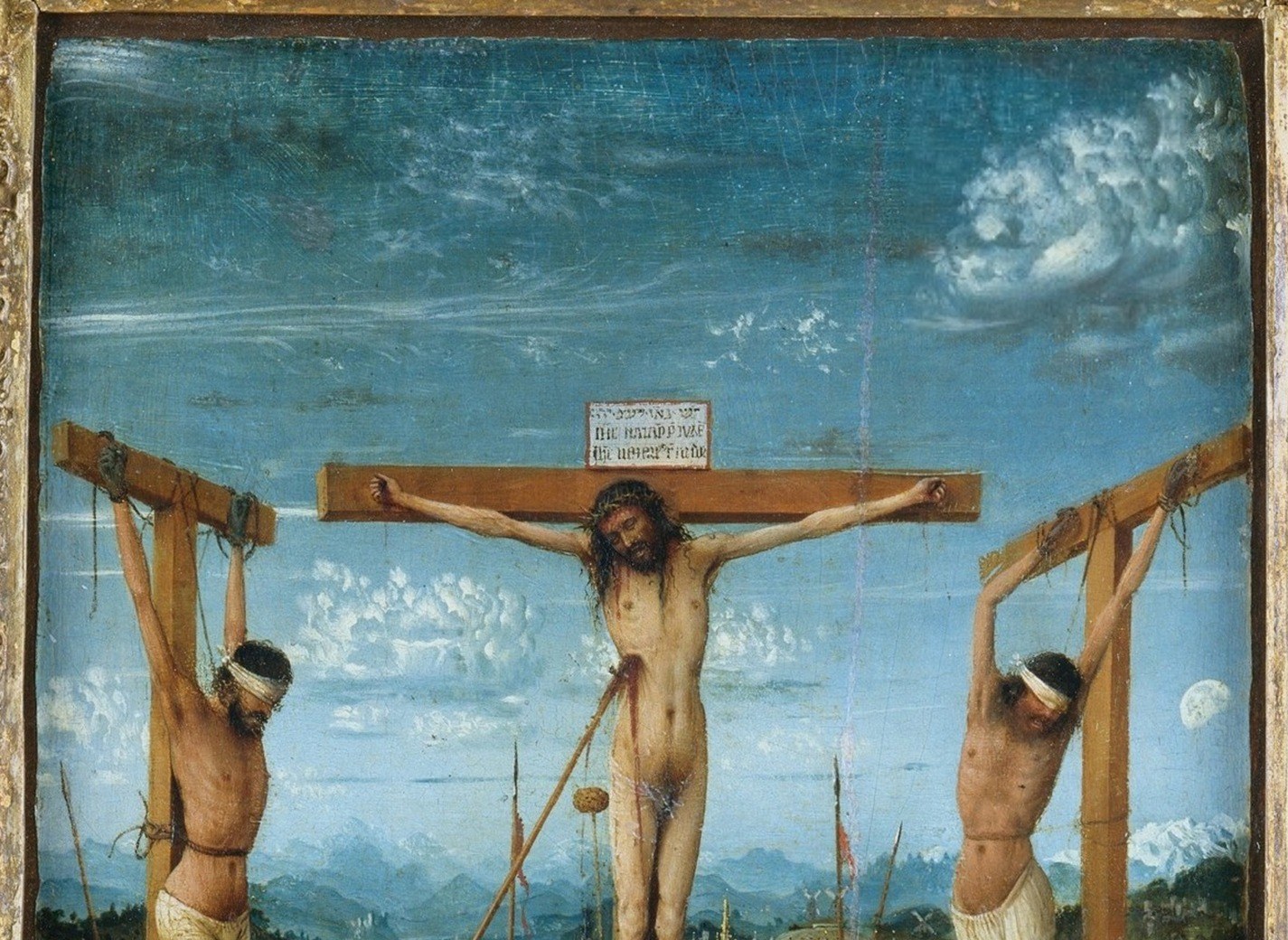
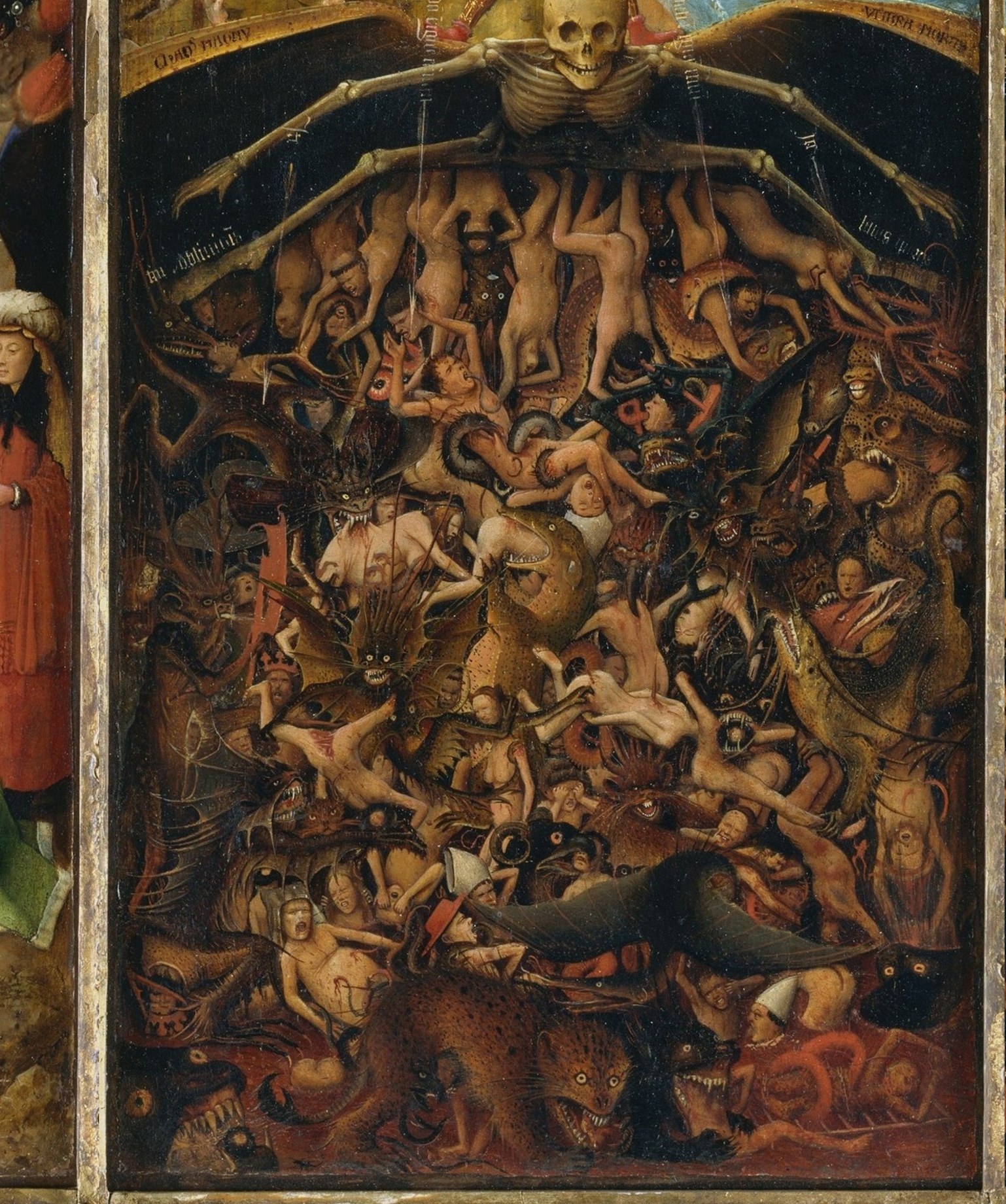
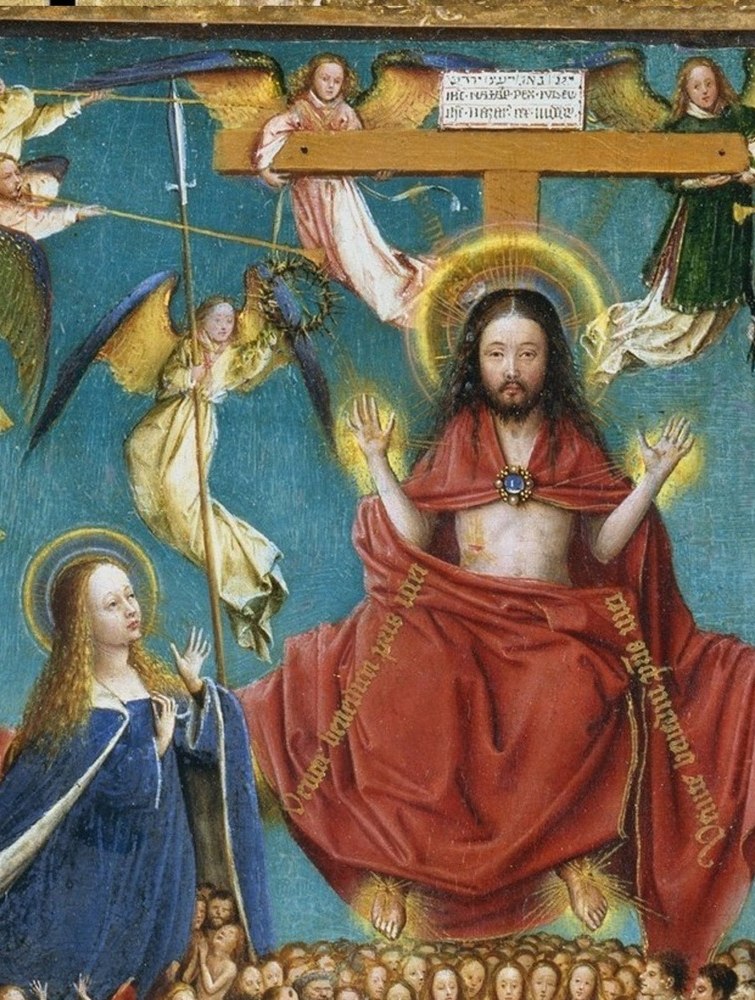
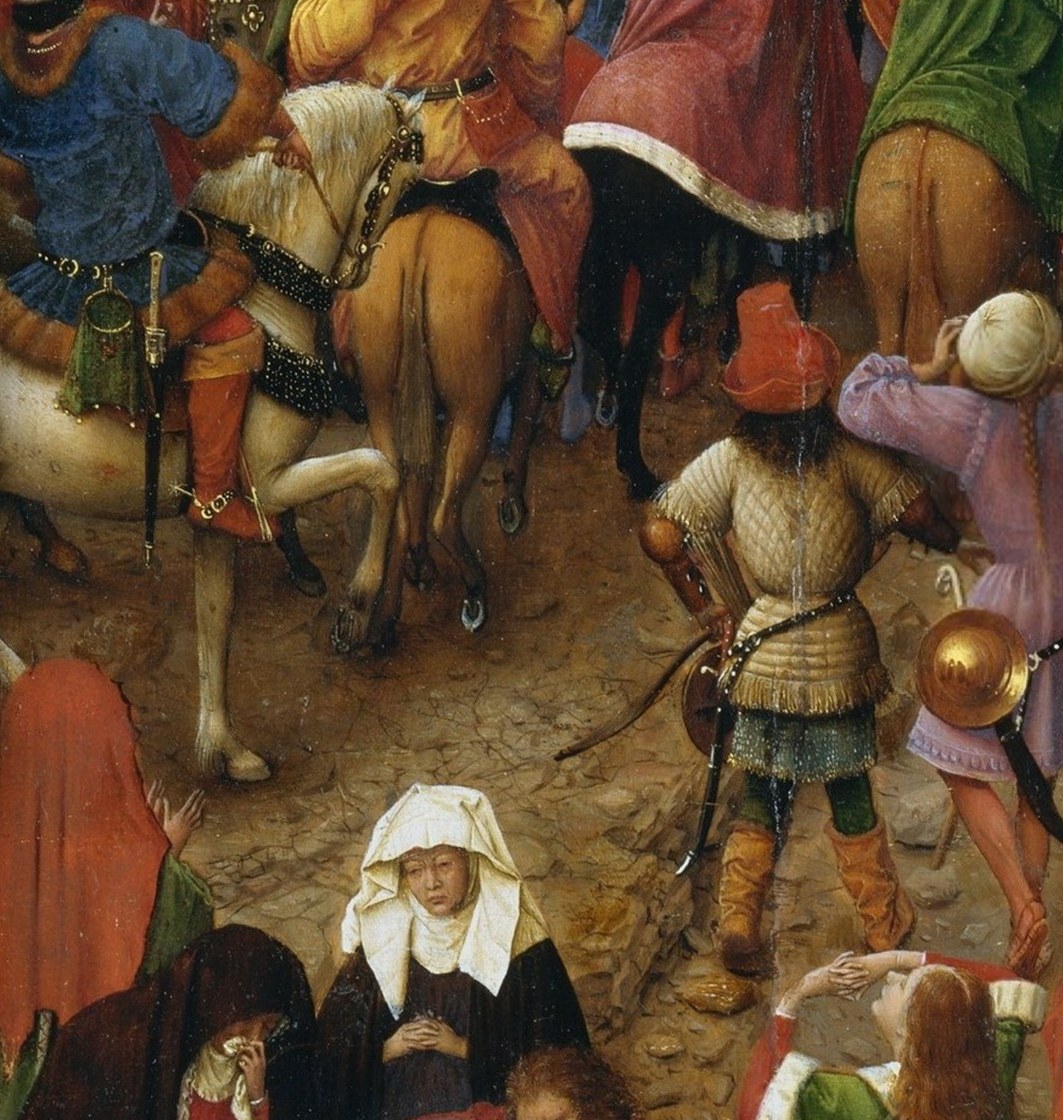
Made for private devotion, the two panels demand you press close. On the left, Christ on the cross in a crowd of hundreds of individually painted faces; on the right, the same Christ enthroned in judgment, with the dead crawling from their graves below. The Jerusalem sky in the crucifixion panel is a miracle of translucent oil glazes, a pale blue van Eyck achieved with lead white and crushed glass.
For centuries the diptych sat in a Spanish monastery. Then Napoleon invaded. A French general took it as spoils of war and brought it to France, where it passed through collections and eventually ended up at the Met in the 1930s as part of a legitimate purchase. In 2012 Spain argued it was stolen property and sued the museum. The courts disagreed: the Met had acquired it in good faith, and the diptych stayed in New York.
A painting this small, smuggled across borders, fought over in court, it has seen more than just prayers.
Details
Transcript
Two panels, smaller than a laptop screen. He painted it for someone to hold in their hands. Christ suffers on the left; he will reign on the right. Look at the sky behind Jerusalem. A pale blue fuse of lead white and crushed glass. It stayed in Spain for three hundred years. Then Napoleon's army came. A French general looted it and took it home.