The Garden of Love by Peter Paul Rubens
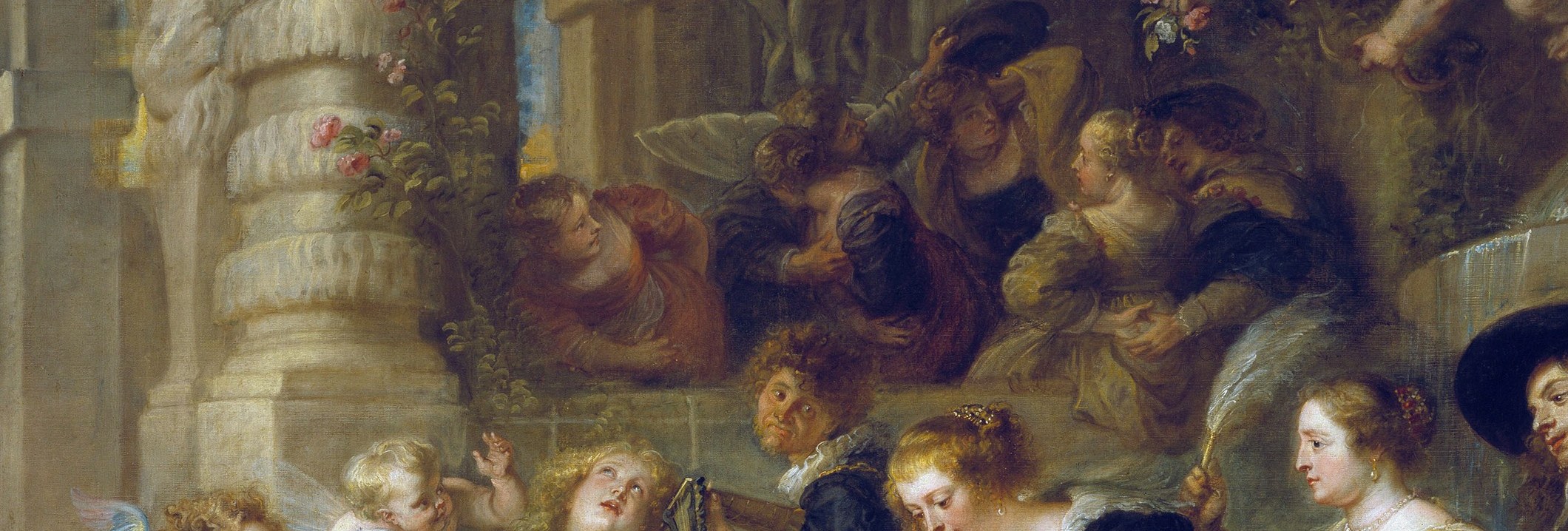
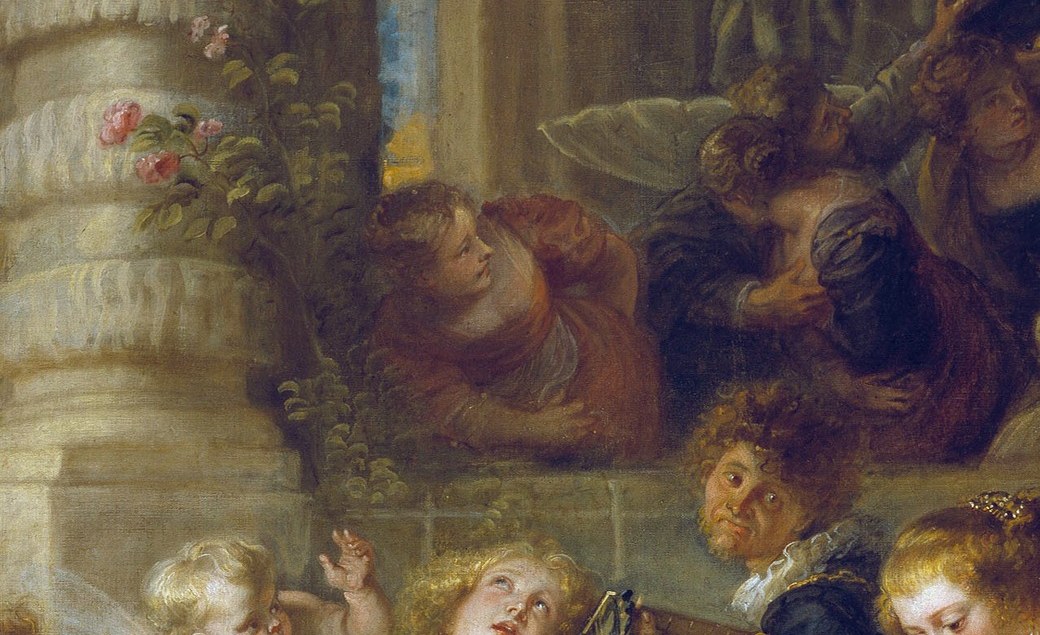
Peter Paul Rubens's "The Garden of Love," painted around 1633 and now in the Prado Museum, is a vibrant example of Baroque art. It depicts an idealized gathering, a "Merry Company," full of social interaction and romantic pursuits.
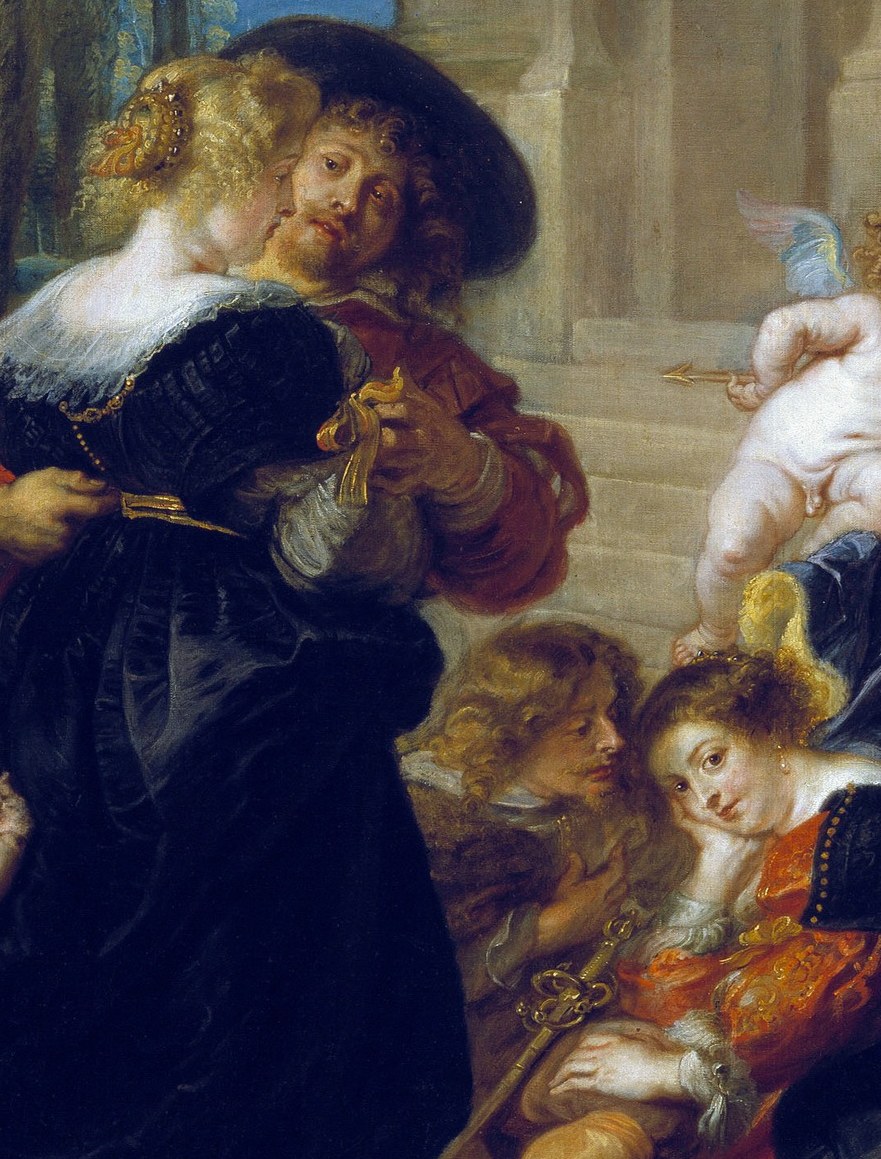
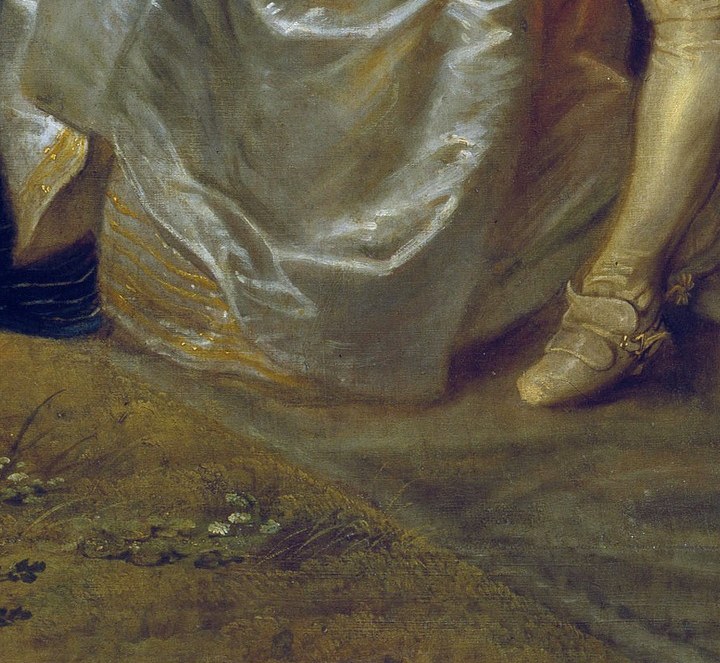
Rubens, known for his dynamic compositions, fills the scene with allegorical figures like Cupid, pointing his arrow towards new lovers, and a small dog, often a symbol of fidelity. The painting's grandeur is enhanced by classical architecture, framing this lively courtly scene.
Remarkably, this painting was found in the Spanish king's bedroom in 1666, suggesting its esteemed status. Early inventories even referred to it as "The Garden Party." This work not only encapsulates Rubens's style but also anticipates the French Fête champêtre genre of the next century.
What do you notice first in this garden of love?
Details
Transcript
This painter was famous for movement and sensuality. Look at these two figures, lost in conversation. Cupid points his arrow toward new lovers. A small dog often symbolizes fidelity in paintings. This painting hung in the Spanish king's bedroom in 1666. It was called 'The Garden Party' in early inventories. It anticipates the later French 'Fête champêtre' genre.