Twilight by Anton Mauve
Anton Mauve, a key figure in the Dutch Hague School, was known for his evocative rural landscapes, particularly those featuring sheep. His painting, *Twilight* (1873), now at The Metropolitan Museum of Art, captures the serene end of a day.
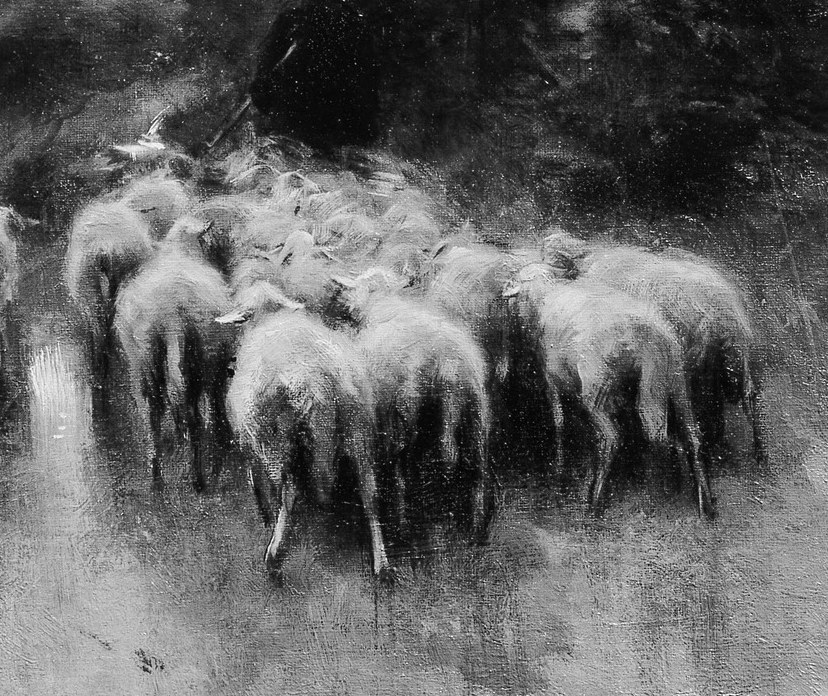
Mauve masterfully depicts the subtle light of dusk, focusing on a shepherd and his flock. Pay attention to the delicate reflections on the wet ground, hinting at recent rain, and the painterly texture of the sheep's wool.
His works, with their natural light and atmospheric quality, were highly sought after, especially by American collectors. Mauve's ability to infuse humble scenes with profound peace made him a significant influence on artists like his cousin-in-law, Vincent van Gogh.
This painting is a perfect example of how Mauve captured the quiet beauty of country life. What hidden details do you find most compelling?
Details
Transcript
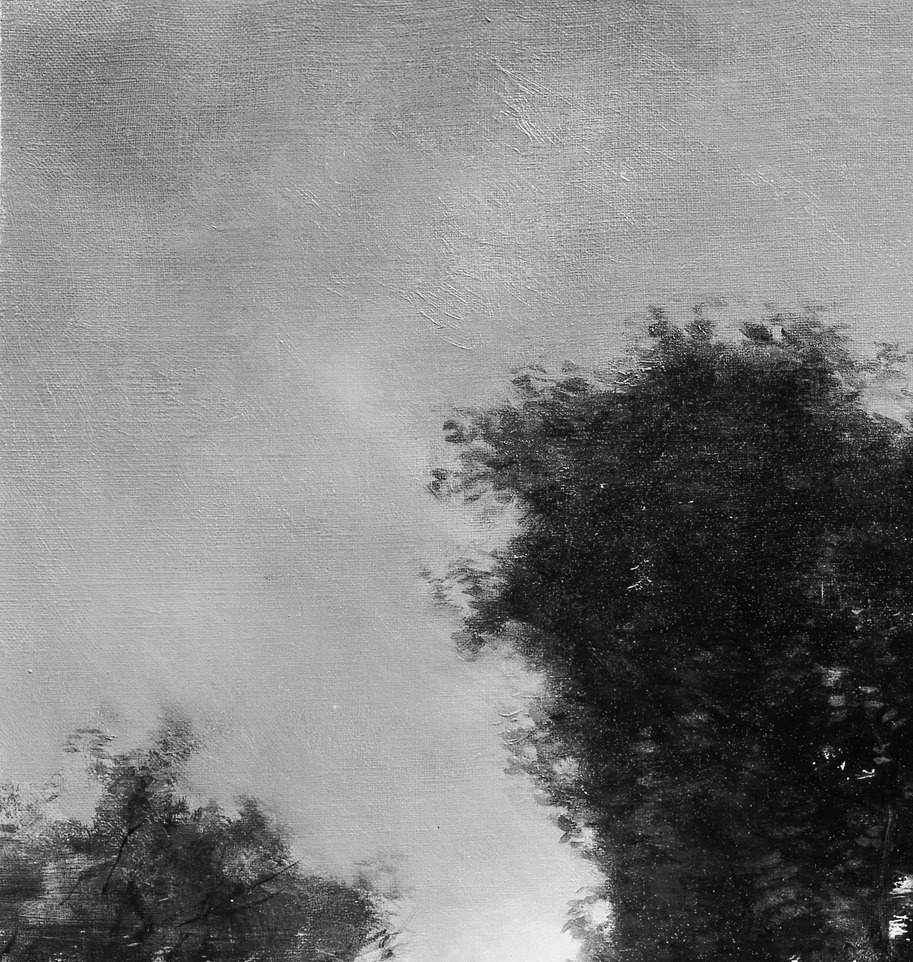
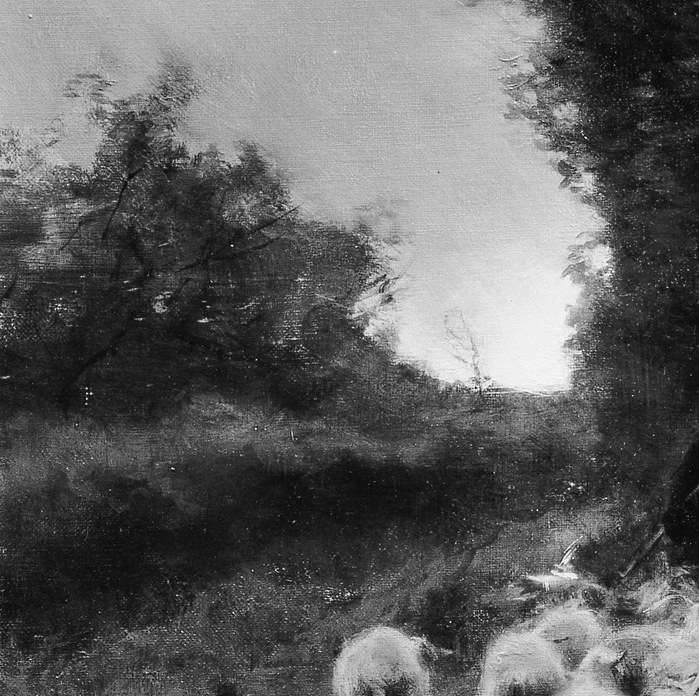
This painter was a master of quiet, rural scenes. His sheep paintings were especially popular in America. He was famous for capturing light, like these wet reflections. Notice the subtle movement in the fading light. Look closely at the horizon, near the distant trees. Two tiny birds fly, almost lost in the twilight sky.