Self-Portrait by Joseph Paelinck
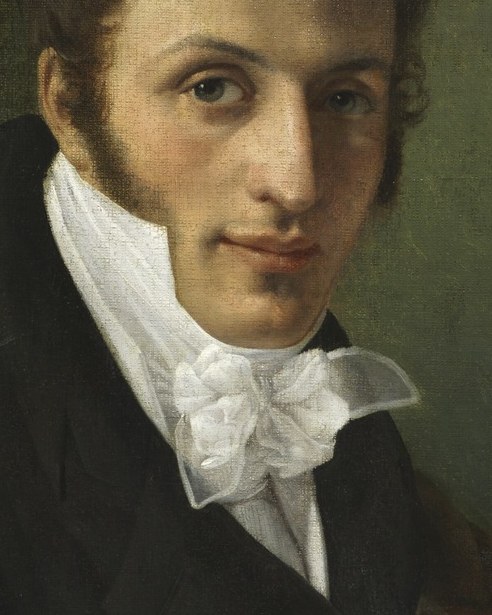
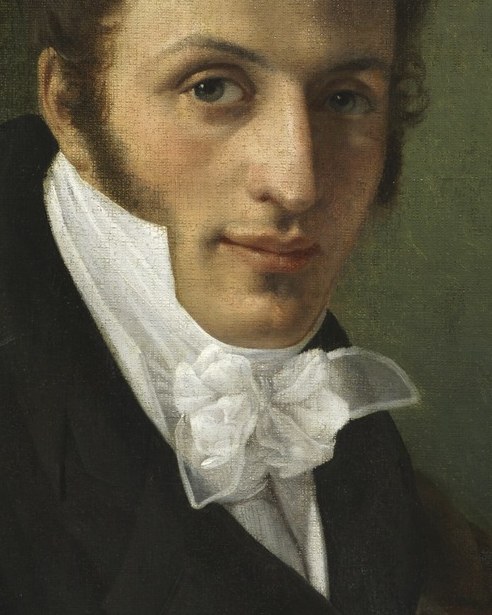
Joseph Paelinck's *Self-Portrait*, painted in oil in 1812 and held at The Cleveland Museum of Art, showcases the artist's skillful manipulation of light and shadow, a technique that brought him considerable acclaim.
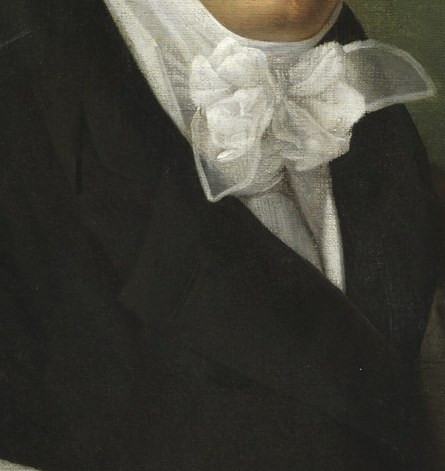
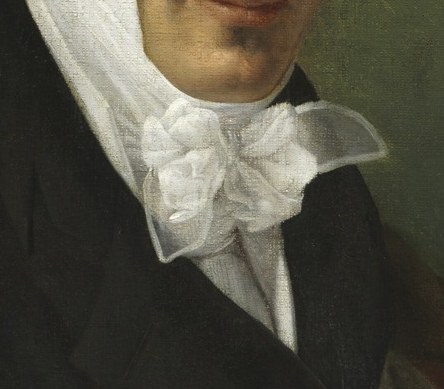
Observe how the soft, directed light illuminates his face and the crisp details of his cravat, contrasting with the deep shadows of his coat and the background. This dramatic use of chiaroscuro creates a powerful three-dimensional effect, making his presence almost tangible.
Paelinck, a Belgian artist born in Ghent, was particularly renowned for his portraits and historical paintings. This self-portrait offers a personal glimpse into his professional persona and the artistic choices that defined his style in the early 19th century.
What do you notice first about his expression?
Details
Transcript
This is a self-portrait by a lesser-known artist. But his use of light here was truly masterful. Notice how the light models his face and shoulders. This dramatic chiaroscuro made him famous in his day. It highlights his strong, direct gaze. He was a Belgian painter, known for portraits and history scenes.