Virgin and Child by Giovanni Battista Cima da Conegliano
Cima da Conegliano's 'Virgin and Child,' painted around 1500, offers a serene window into Northern Renaissance devotion. This oil painting, now at the Rijksmuseum, was likely created for private contemplation within a home, a popular practice during its time.
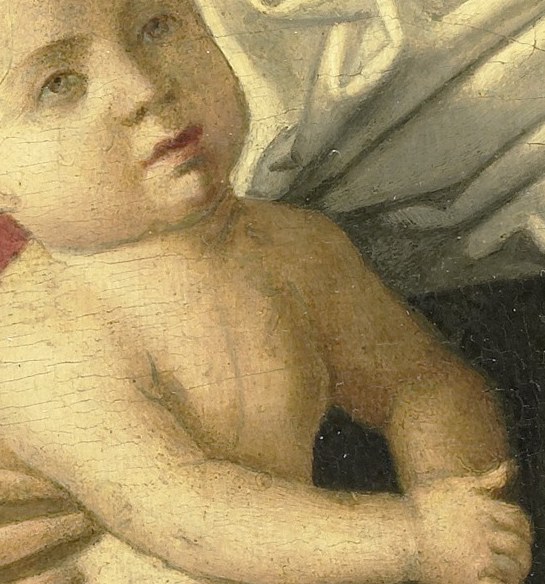
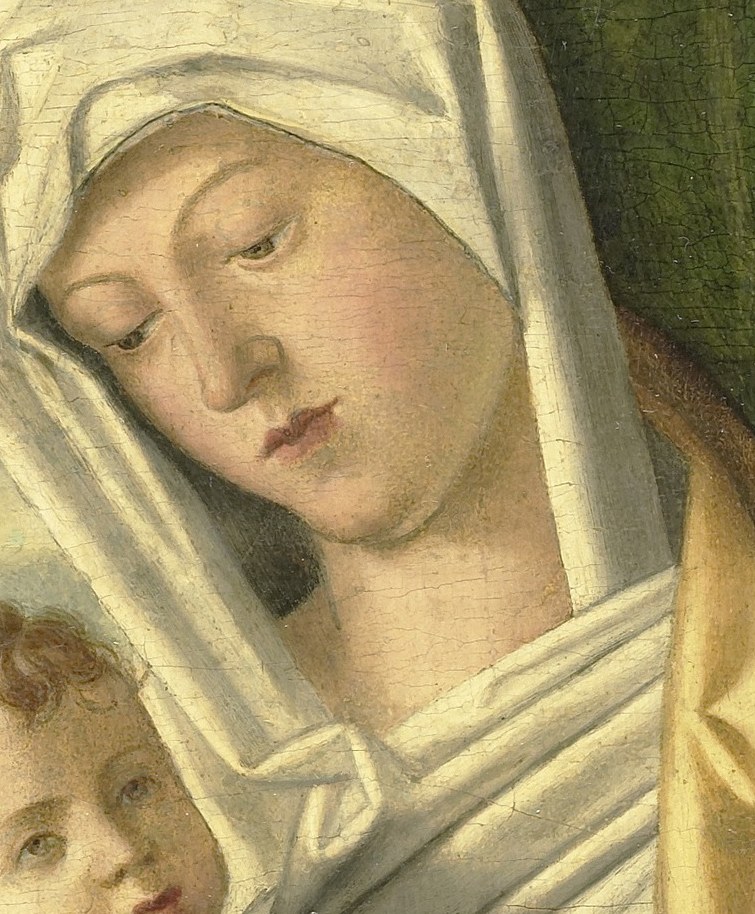
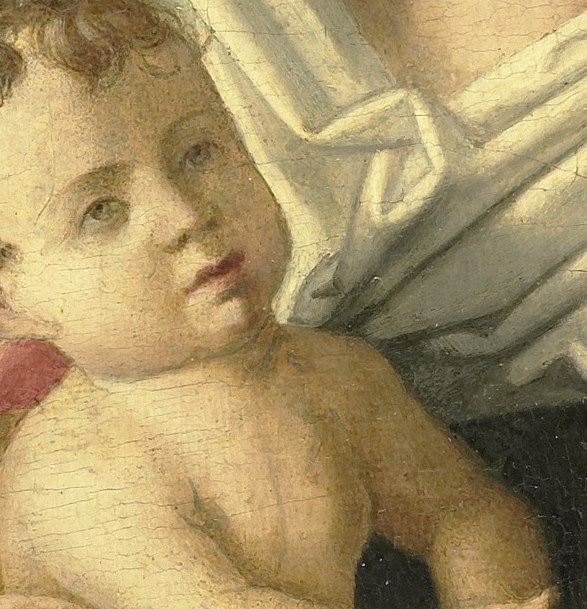
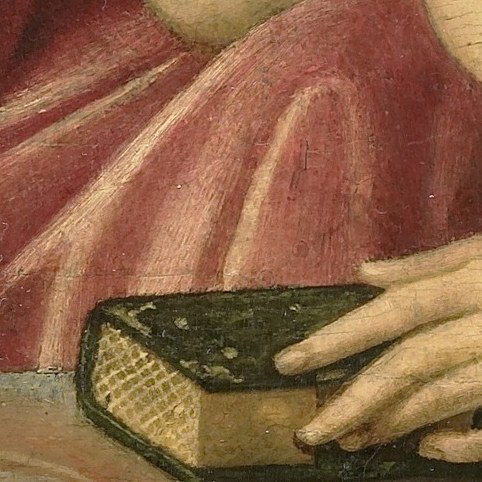
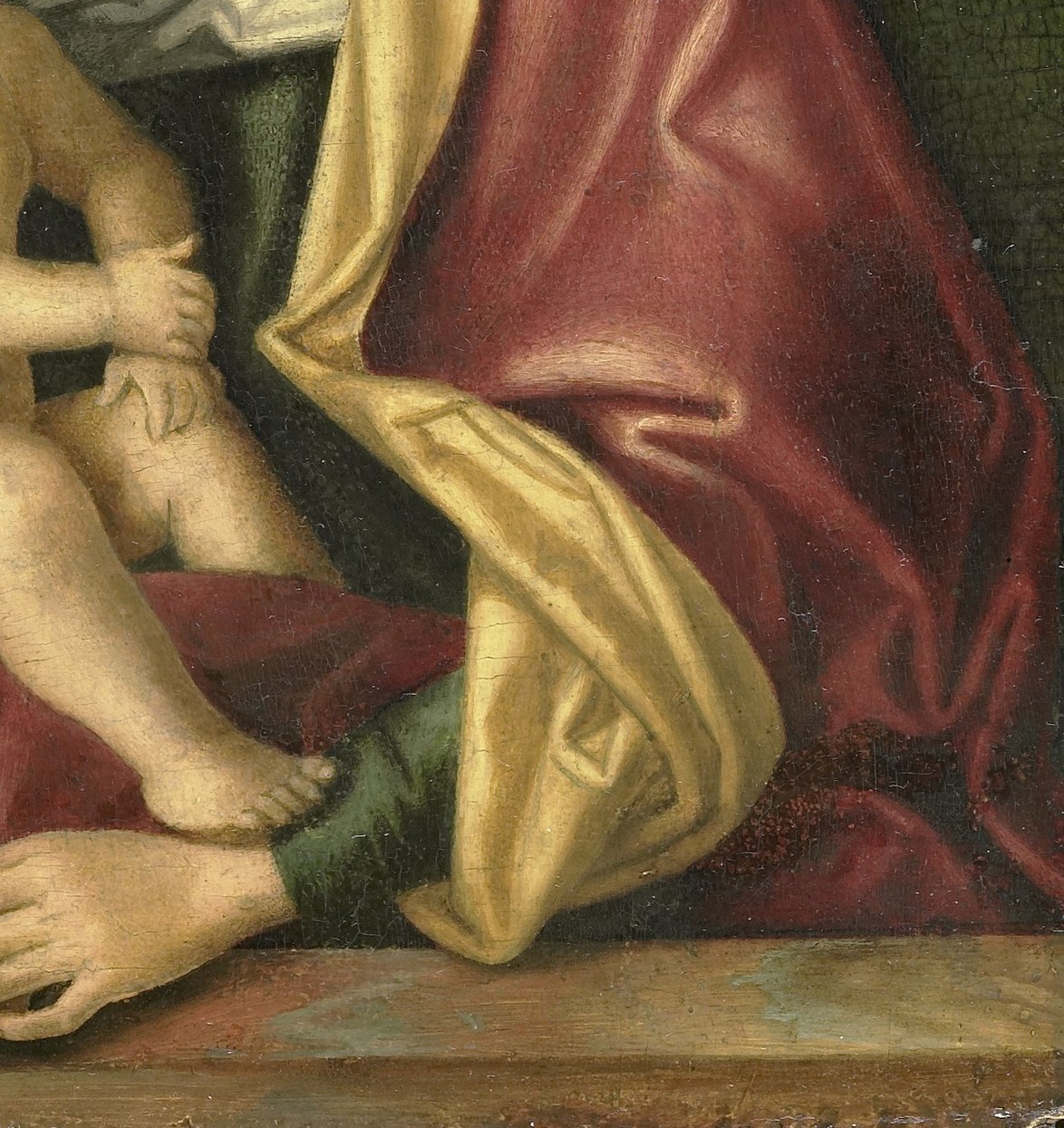
Observe Mary's tender embrace of the Christ Child and her contemplative gaze. Her hand gently rests on a book, a symbol of scripture, while the infant's alert eyes engage the viewer directly. These intimate details were designed to foster a personal connection for those at prayer.
Cima, a Venetian painter, was known for his tranquil compositions and for often repeating beloved subjects with slight variations. Influenced by Antonello da Messina, he emphasized serene landscapes and a peaceful atmosphere, evident in the distant village and soft sky behind the figures. His work reflects the artistic currents of the early 16th century, where the Madonna and Child theme was central to religious art.
This painting invites us to consider how art served as a powerful aid to spiritual life centuries ago. What details draw your eye into this quiet moment?
Details
Transcript
This painter often repeated scenes for private devotion. Mary cradles the Christ Child, a common religious motif. Her gaze is downcast, contemplating her son's fate. His alert eyes meet the viewer, inviting worship. Her hand rests on a book, a symbol of scripture. These small works were popular for home altars in 1500.