清 王翬 雨後晴巒圖 扇頁|Mountains after Rain by Wang Hui
“Mountains after Rain” by Wang Hui, painted in 1695, is a beautiful landscape at The Met that holds a hidden secret: it was originally created as part of a folding fan. This practice was common, allowing art on functional objects to be preserved and appreciated as standalone pieces.
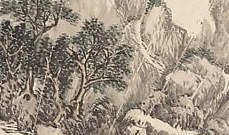
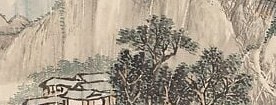
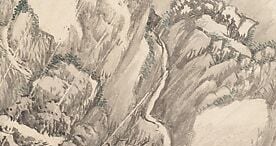
Notice the delicate ink washes and subtle colors across the paper. The thinness of the washes masterfully conveys the damp, fresh atmosphere right after a rainfall, from the misty distant peaks to the foreground trees that seem to drip with moisture.
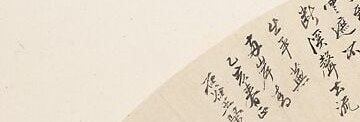
Over time, the fan was carefully disassembled, and this painted section was flattened and mounted as an album leaf. This transformation allowed the intricate detail and atmospheric quality of Wang Hui's work to be fully appreciated in a new format. The red seals and calligraphy, visible on the piece, serve as historical markers of its journey and ownership.
It’s a wonderful example of how art adapts and endures, offering a glimpse into both the artist’s skill and the evolution of art preservation. What other objects do you think might hide an artistic past?
Details
Transcript
This mountain landscape looks like a painting, but it began differently. It was originally painted on a folding fan, in 1695. Artists often painted fans, which were then taken apart and mounted. The thin paper and delicate washes show the artist's precision. Look closely, you can still feel the damp air after the rain. These red seals and calligraphy mark the work's long history.