Alexandre Théodore Victor (1760–1829), Comte de Lameth by Jean-Urbain Guérin (French, 1760–1836)
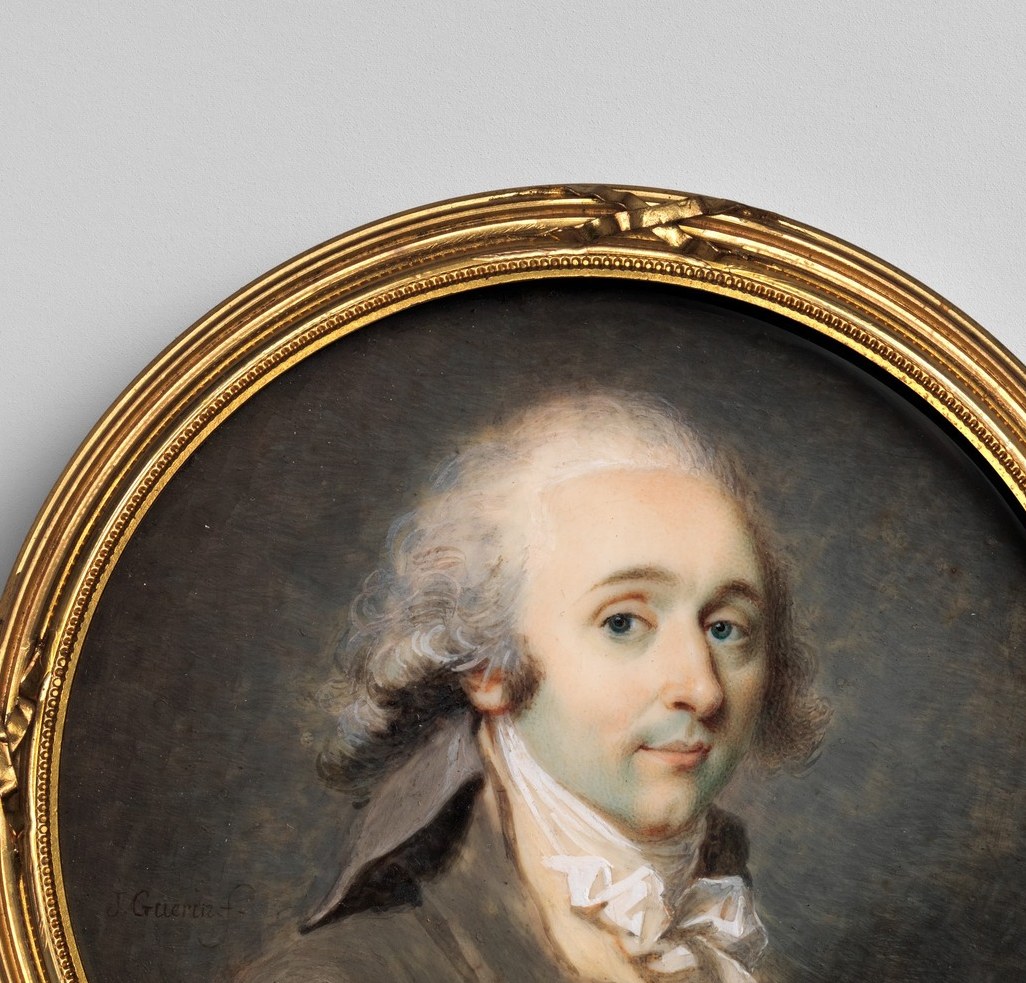
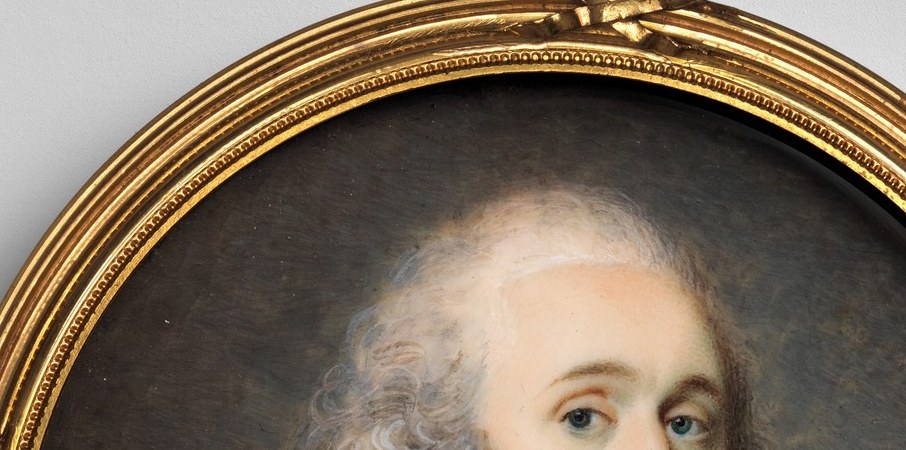
This is Alexandre Théodore Victor, Comte de Lameth, painted by Jean-Urbain Guérin in 1789, the year the French Revolution began. It is held in the collection of The Metropolitan Museum of Art.
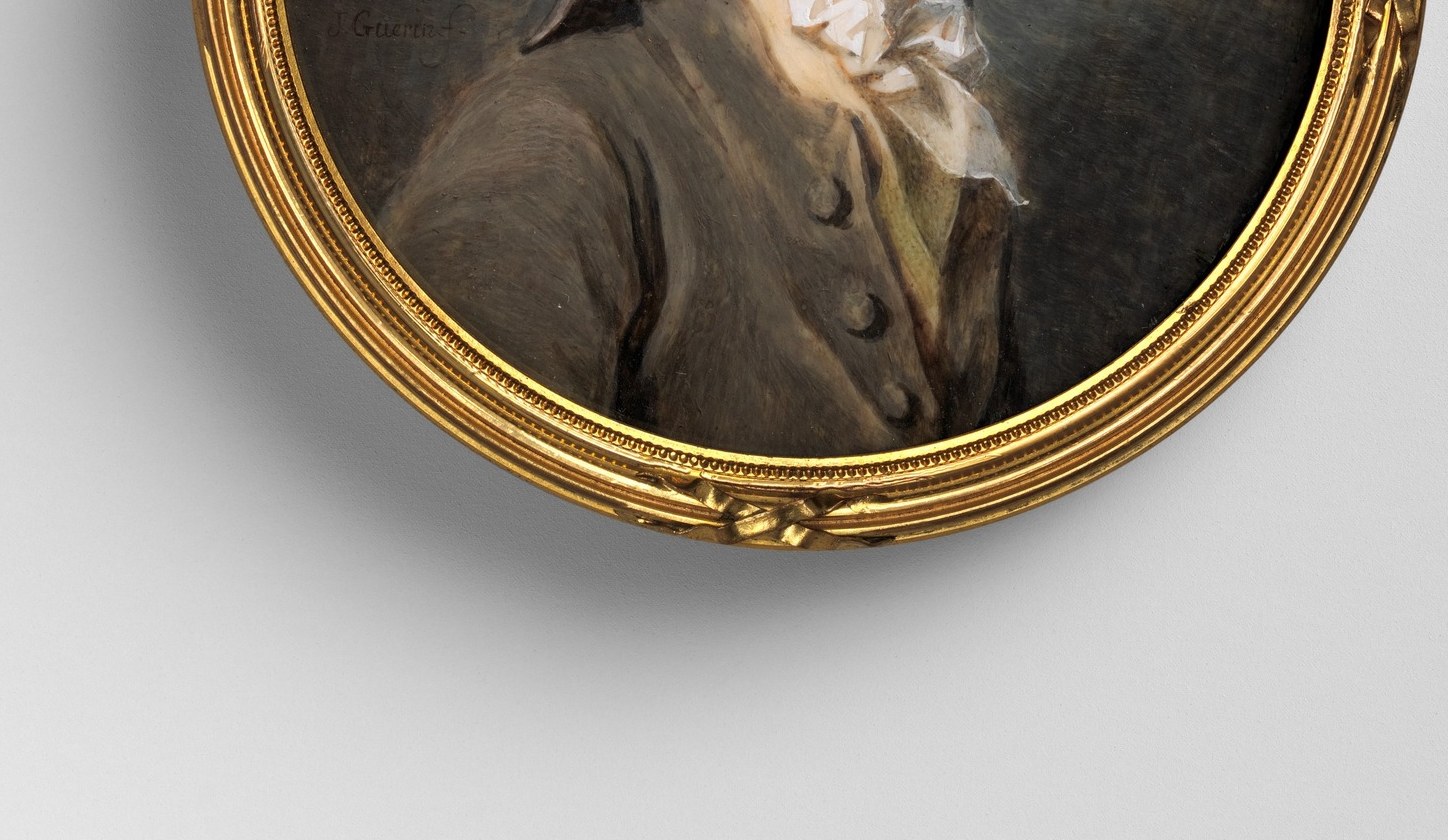
Look at the contradiction that animates this miniature. His face is direct, calm, and self-possessed, the bearing of a man accustomed to authority. Yet the clothes signal a life in political transition: a sober civilian coat rather than court dress. Above it all, his powdered wig remains, an artifact of the ancien régime framing the face of a deputy who helped vote it into oblivion.
Guérin was one of the most sought-after miniaturists of his era, alongside Jean-Baptiste Isabey. He painted Marie-Antoinette and Louis XVI. And he painted the deputies of the Third Estate who dismantled their world. This portrait is a quiet document of that hinge moment: a man painted with aristocratic refinement who served a revolution.
What did he see in the weeks after this portrait was finished?
Details
Transcript
It is 1789. France is convulsing. This man is a deputy of the Third Estate. But look what he wears. The powdered wig of the court he helped dismantle. He sits not in robes, but a plain civilian coat. A man caught between two worlds. His gaze is steady. Unreadable.