清 那爾敦布 順治皇帝進京之隊伍賽馬全圖 卷|Horsemanship Competition for the Shunzhi Emperor by Nardunbu
This vibrant handscroll, "Horsemanship Competition for the Shunzhi Emperor" by Nardunbu, created in 1662, is a historical painting housed in a private collection. It offers a detailed visual record of a significant event in early Qing dynasty history: the Shunzhi Emperor's entry into Beijing in 1644, marking the beginning of the Qing Dynasty's rule.
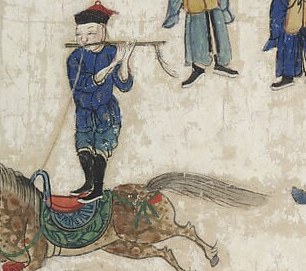
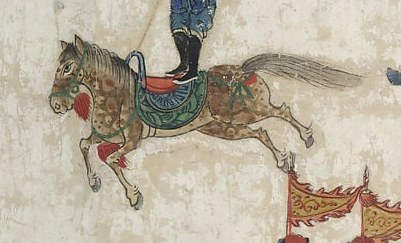
Observe the dynamic scene, particularly the figures on horseback. The artist masterfully conveys the energy of the competition and the importance of equestrian skill in Manchu culture, a clear demonstration of their military prowess and authority.
As a court artist, Nardunbu painted this nearly two decades after the event, providing a retrospective yet informed perspective on how the new Manchu rulers sought to legitimize their authority through public displays of strength and tradition.
What details in the procession capture your attention the most?
Details
Transcript
In 1644, the Qing Dynasty began its rule of China. This scroll, painted in 1662, commemorates that moment. It shows the Shunzhi Emperor's procession into Beijing. Manchu culture valued horsemanship, a symbol of their power. Look at the energy in the horse's extended legs. The artist, Nardunbu, captured this triumph almost two decades later.