Before the Ballet by Degas, Edgar
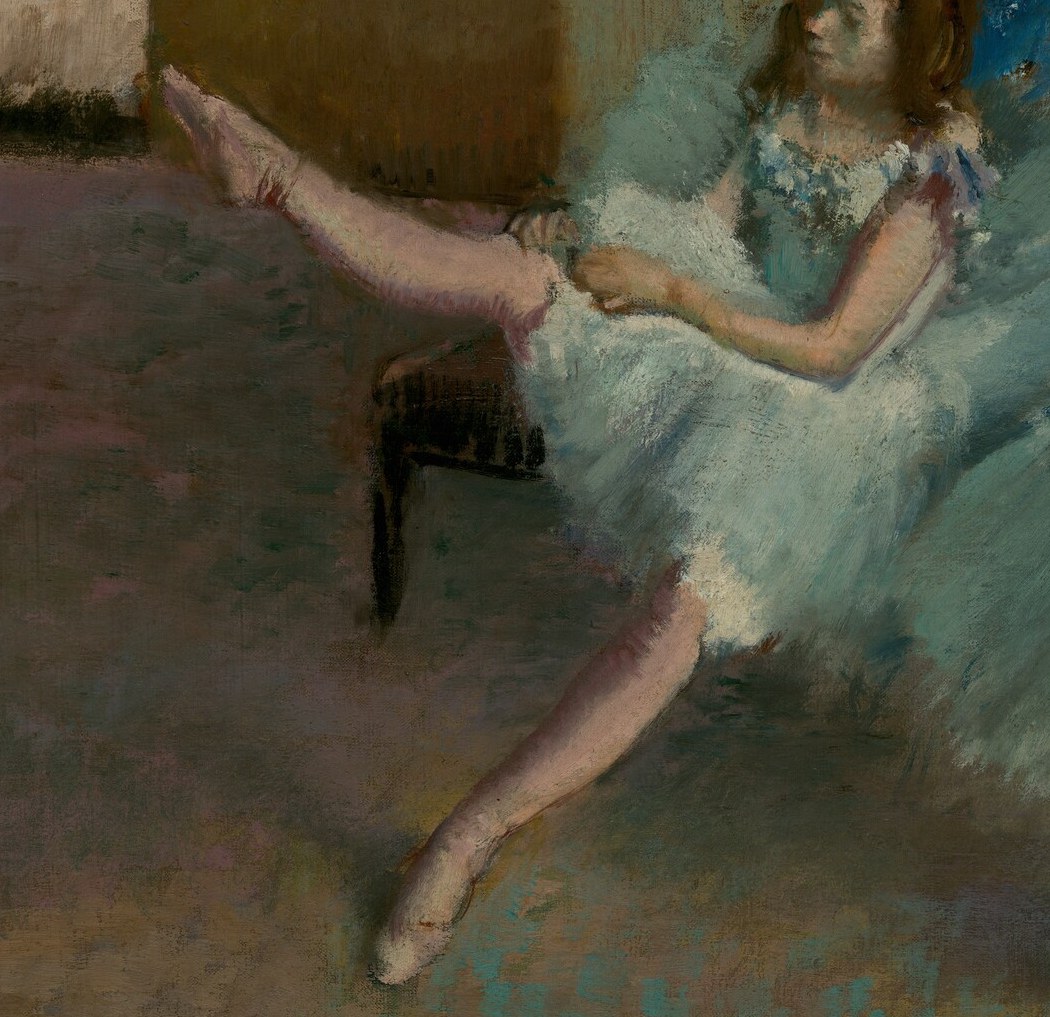
When you think of Degas, you probably picture dancers on a stage. But "Before the Ballet," painted in 1891, shows something more honest. Housed at the National Gallery of Art in Washington, D.C., this oil on canvas is a portrait of exhaustion disguised as preparation.
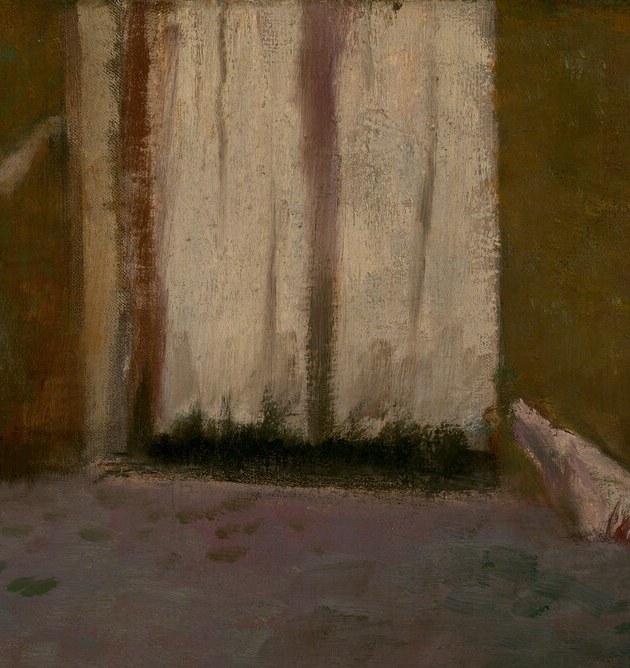
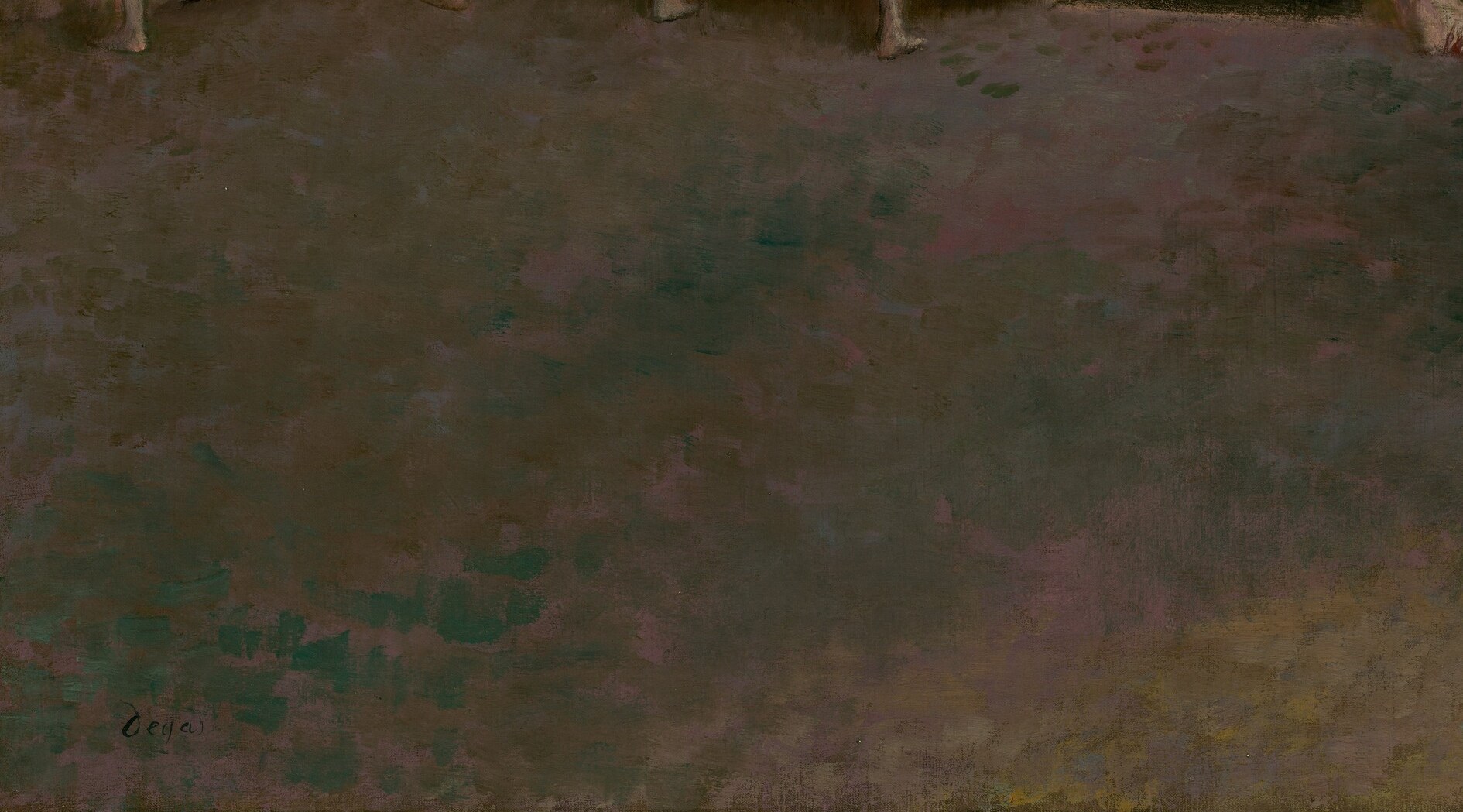
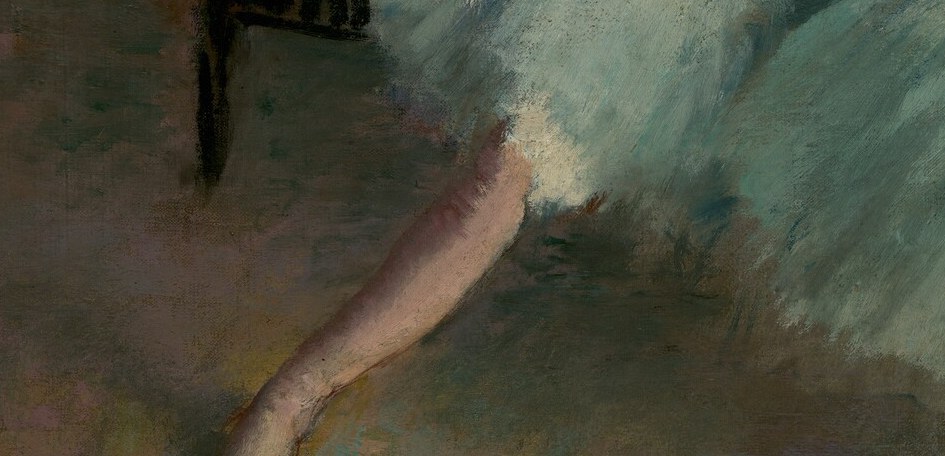
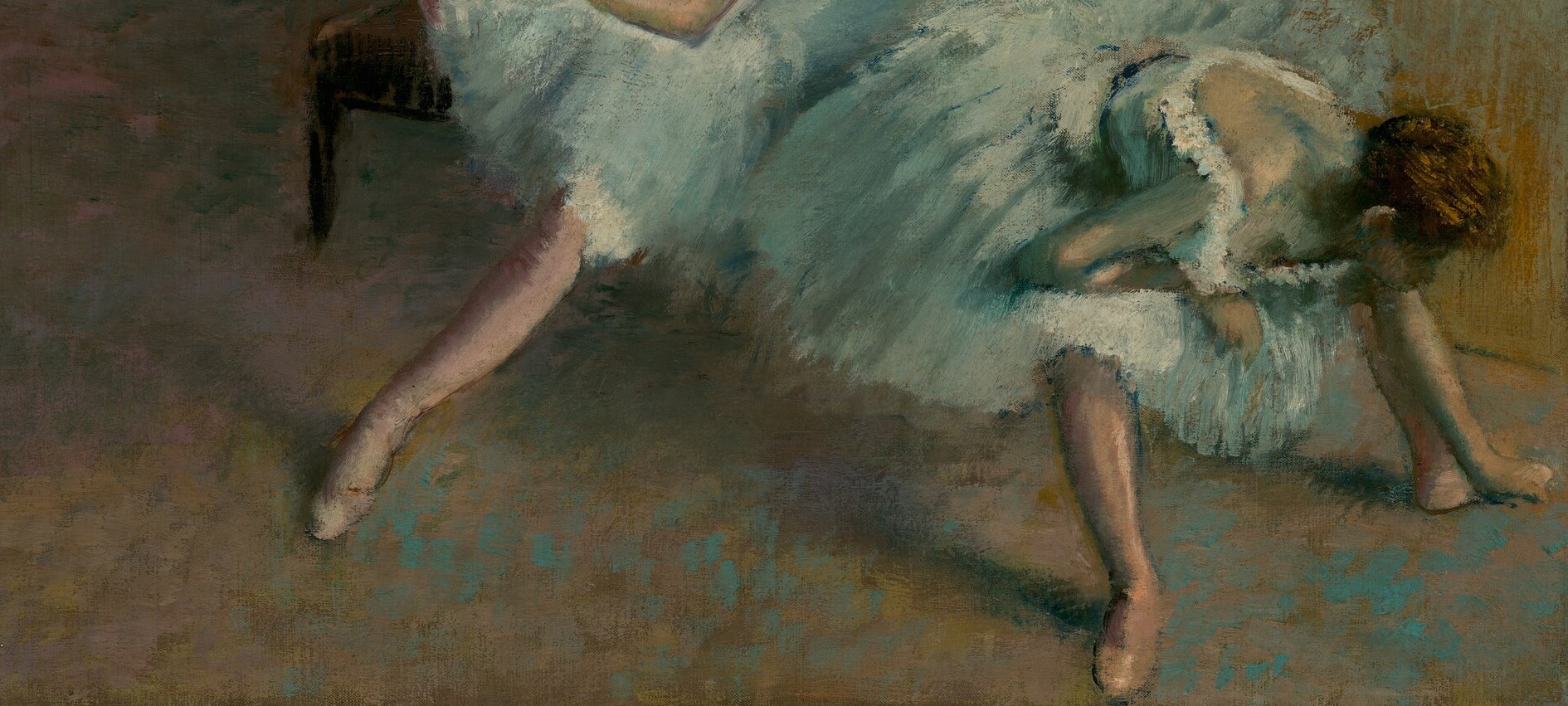
Look past the white tutus. The dancer on the right is doubled over, her face hidden. The floorboards are worn and scraped. Degas spent countless hours backstage at the Paris Opera, but he was rarely interested in the performance itself. He was watching the labor that made it possible.
These girls, often called "petits rats," were largely from working-class families. The Opera was a path out of poverty, but it came at a physical cost. Degas, who rejected the Impressionist label and preferred to call himself a realist, documented their private moments of fatigue without sentimentalizing them. The painting stayed in his personal collection for years, as if he couldn't let it go.
There is no curtain call here. Just a quiet, unguarded moment that feels startlingly modern, a nineteenth-century rehearsal that could have happened yesterday.
Details
Transcript
Paris, 1891. The Opera is in its golden age. But Degas doesn't paint the stage. He paints the rehearsal room. These are working-class girls, as young as thirteen. Look at the dancer on the right. She is not stretching. She is catching her breath. Degas called himself a realist. This is what he meant.