Muleteers beside an Italian Ruin by Jan Asselijn
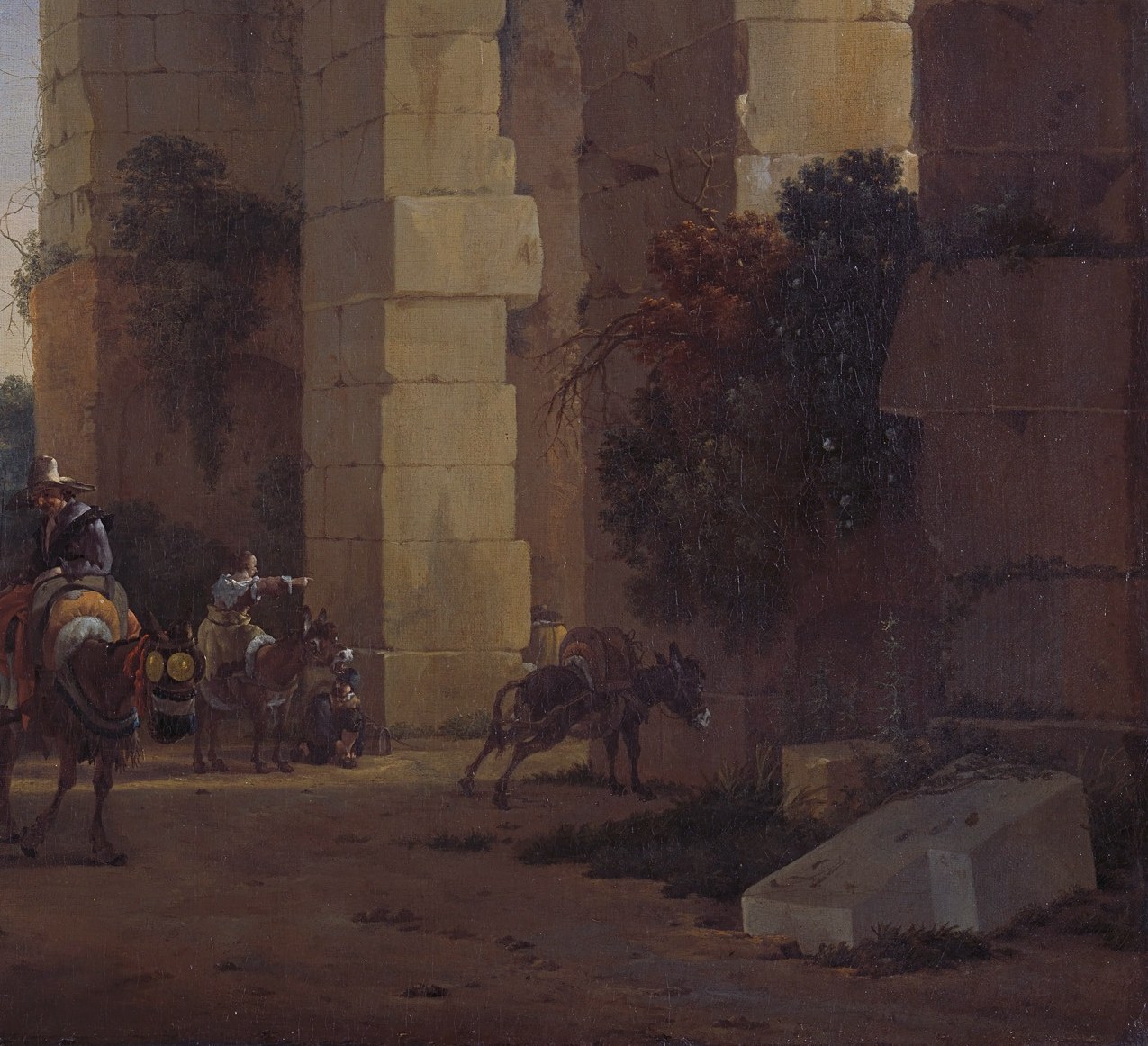
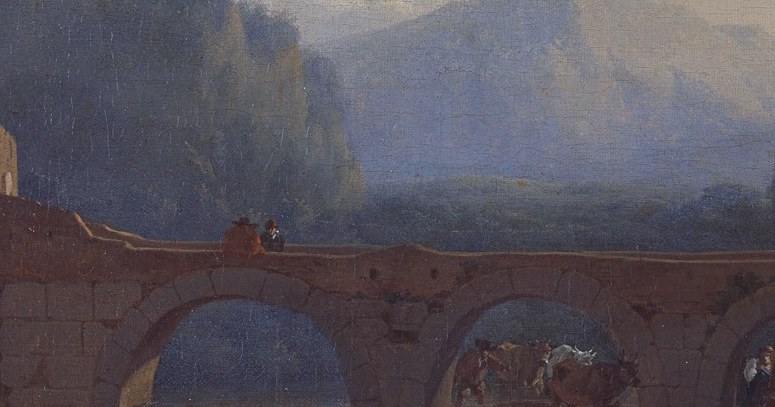
This is Jan Asselijn's "Muleteers beside an Italian Ruin," painted around 1650. Asselijn, a Dutch artist who traveled to Italy, brought back evocative Italianate landscapes. This work shows a mule train passing through classical ruins, a popular subject for Dutch Golden Age painters.
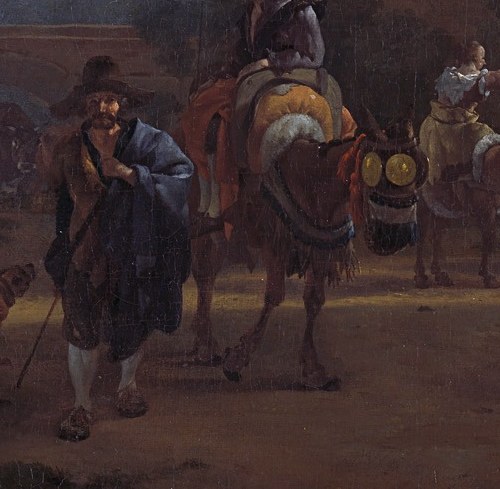
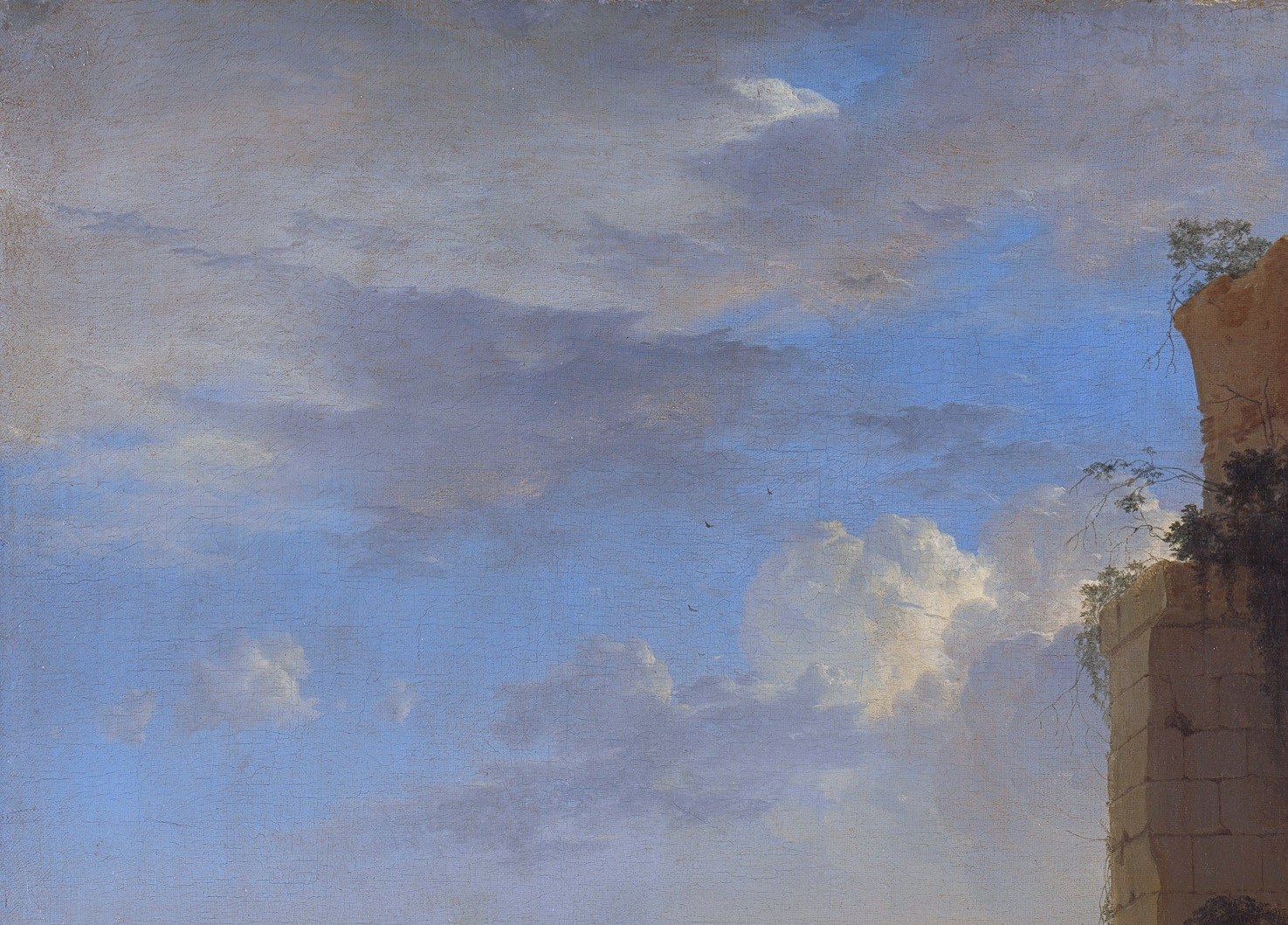
Observe the monumental ruined archway, the laden pack mule, and the figure of the muleteer with his faithful dog. The scene is bathed in soft, late-afternoon light, creating a contemplative atmosphere over the ancient structures and the travelers.
While this painting was an early success for Asselijn, his artistic legacy is more famously marked by scandal. His later work, "The Threatened Swan," generated significant controversy and public outrage upon its exhibition, overshadowing his earlier, more serene landscapes.
It's fascinating how an artist's reputation can be defined by a single notorious piece.
Details
Transcript
Jan Asselijn painted Italian scenes like this. He saw them himself. Look at the massive ruined archway. It towers over the path. A pack mule, laden with goods, leads the way forward. This muleteer's weary posture shows his hard life. But this painting was not his most famous work. His later "The Threatened Swan" caused outrage and scandal.