Bacchus and Ariadne by Giovanni Antonio Pellegrini
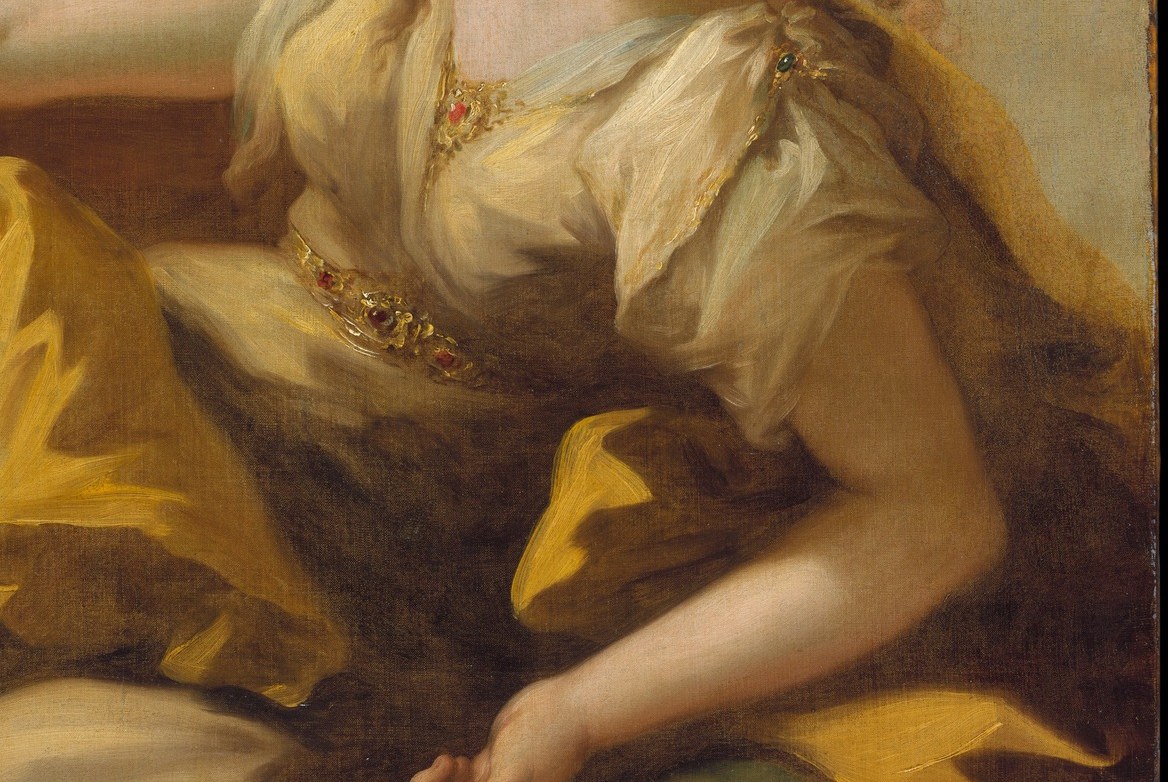
Giovanni Antonio Pellegrini's "Bacchus and Ariadne," painted in 1720, captures a pivotal moment from Greek mythology. This Rococo oil painting, housed at The Metropolitan Museum of Art, tells a story of loss turning to an unexpected new beginning.
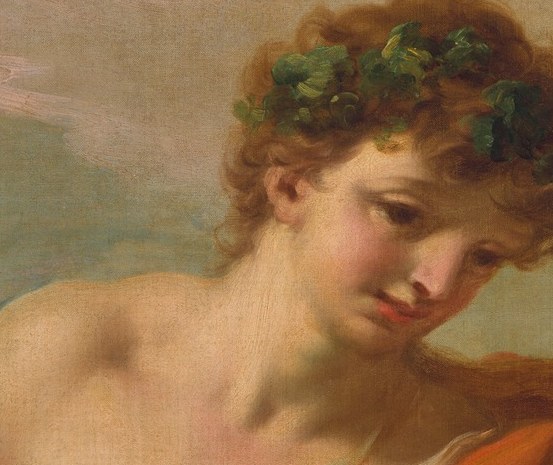
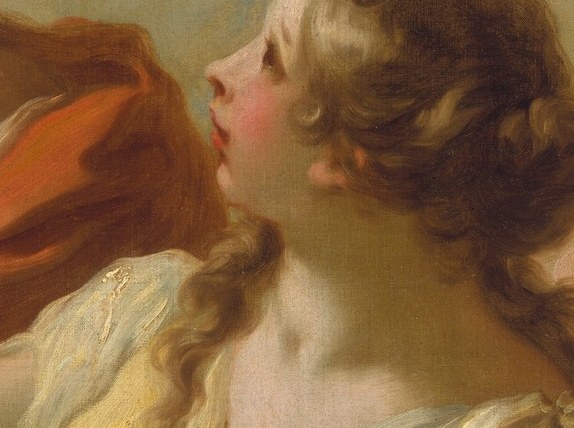
Look closely at Ariadne's surprised expression as Bacchus appears. The artist, a leading Venetian painter, masterfully conveys the emotional depth of their encounter through their gestures and gazes.
Pellegrini’s extensive travels meant his distinctive style influenced art across Europe. This painting exemplifies his blend of Renaissance grandeur with Baroque drama, creating a delicate and atmospheric scene.
The painting asks us to consider how quickly sorrow can turn to hope when an unexpected connection is made.
Details
Transcript
Ariadne, abandoned on an island, is lost in sorrow. Then, Bacchus, god of wine, finds her. He reaches for her, a sudden vision of hope. Her face, upturned, shows pure surprise. In this moment, her life takes a new direction. Pellegrini painted this mythological story in 1720.