An Eruption of Vesuvius by Johan Christian Dahl
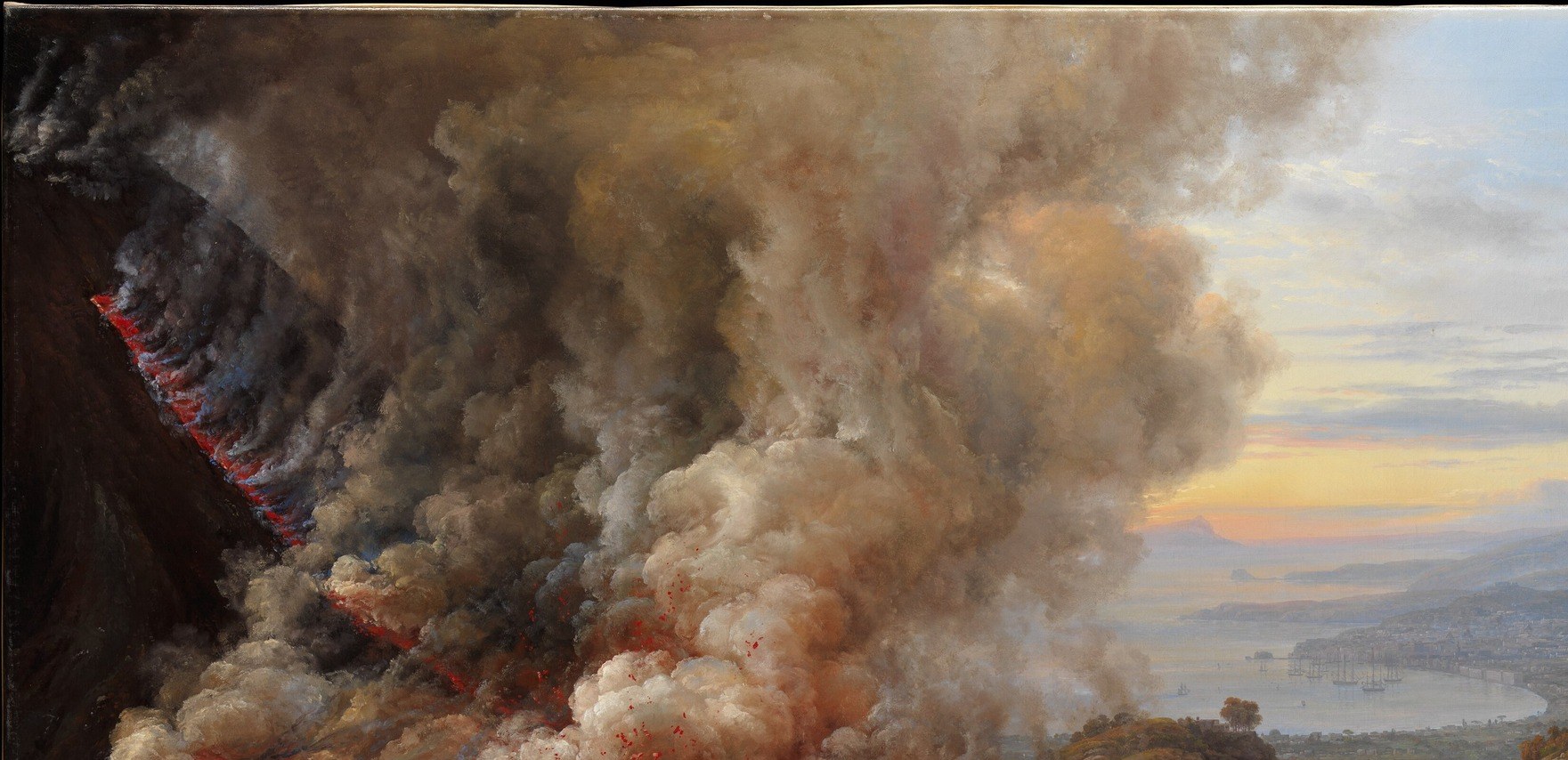
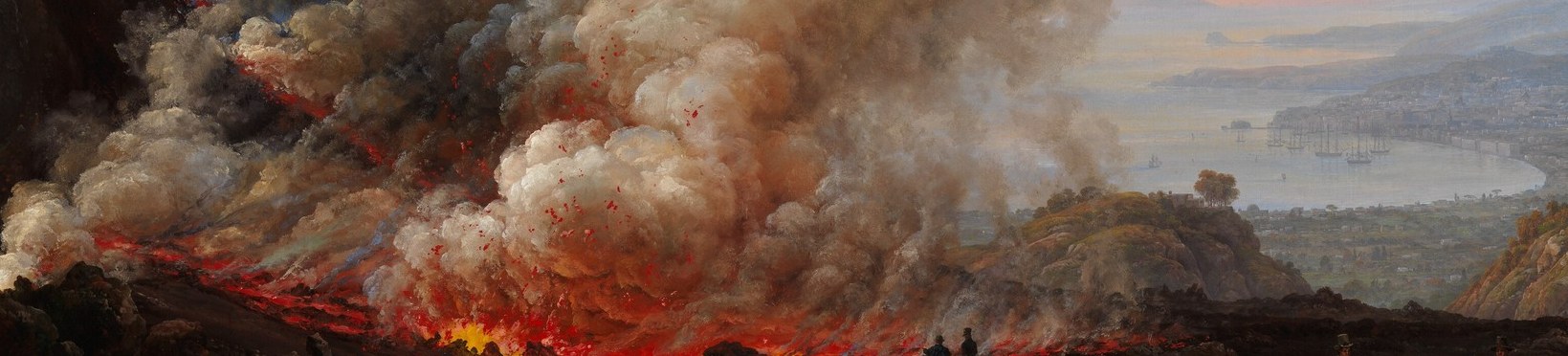
An Eruption of Vesuvius, painted in 1824, is the first great Romantic volcano painting by a Norwegian artist. J.C. Dahl traveled to Naples in 1820 specifically to witness an eruption, and waited four years before this one finally obliged him. The canvas is now held by The Metropolitan Museum of Art.
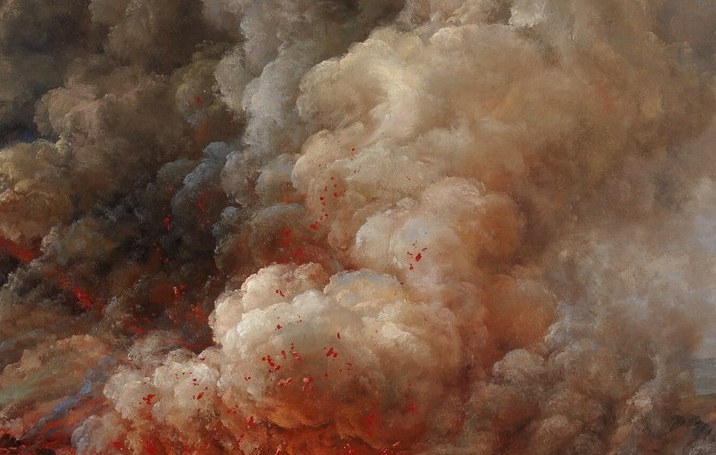
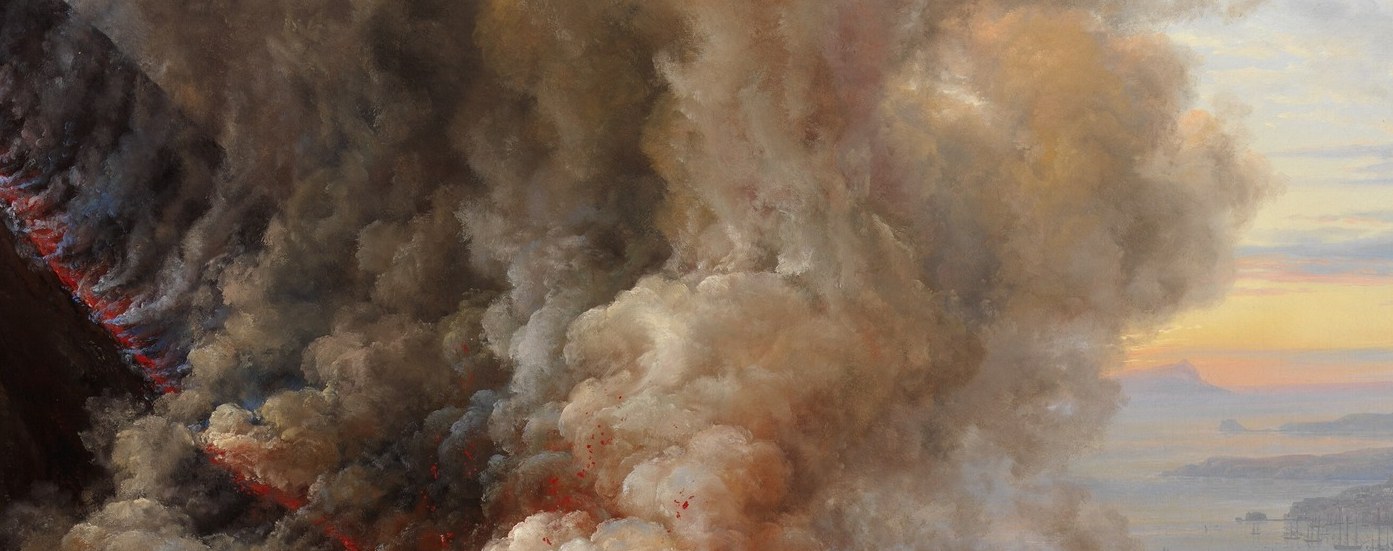
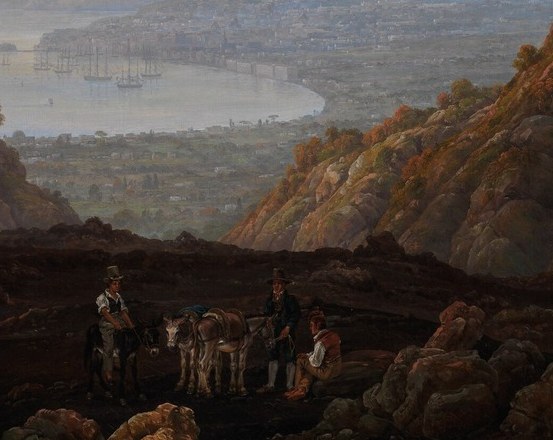
The scale contrast is deliberate and devastating. The ash column rises like a cataclysmic cathedral, while its underside glows orange, lit from below by the lava fountain, a technical feat Dahl mastered from direct observation. The tiny figures and donkey on the right slope are not merely staffage; they are a Romantic scale mechanism, measuring human helplessness against geological force.
Dahl is often called the father of Norwegian landscape painting, and this canvas is central to that claim. He was the first Norwegian painter to achieve European renown, and his success abroad helped finance the institutions, including the Norwegian National Gallery, that would define his country's golden age of art.
The serene Bay of Naples on the right edge makes the destruction feel almost personal. Calm water, a harbor town, and total oblivion on the same canvas. What do you think the donkey handler is saying to his companion?
Details
Transcript
A Norwegian painter came to Naples in 1820 and waited. He waited four years for this. J.C. Dahl sketched Vesuvius erupting from life, then painted it huge. Look at the underside of the smoke. Lava-light from below gives the cloud a hellish glow. And here, tiny figures watch the world end. This painting helped found a nation's artistic identity.