Still Life with Apples by Gustave Courbet
In 1872, Gustave Courbet, a leading figure of French Realism, painted *Still Life with Apples*. This seemingly simple work is a powerful statement about artistic truth, rejecting the idealized forms popular in earlier art movements.
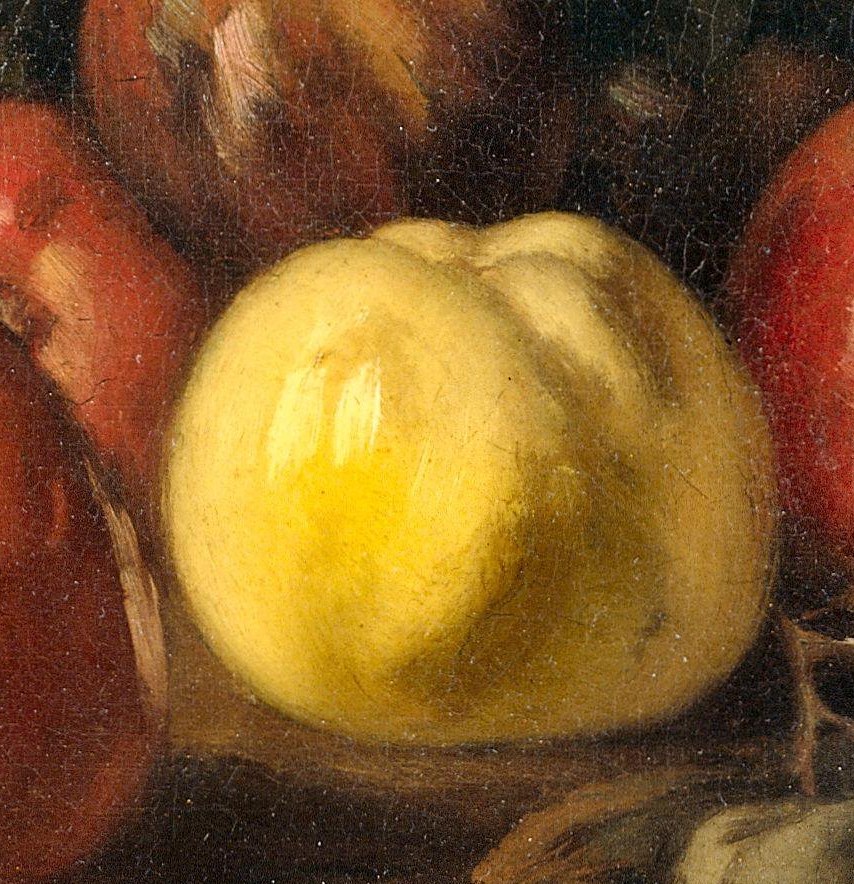
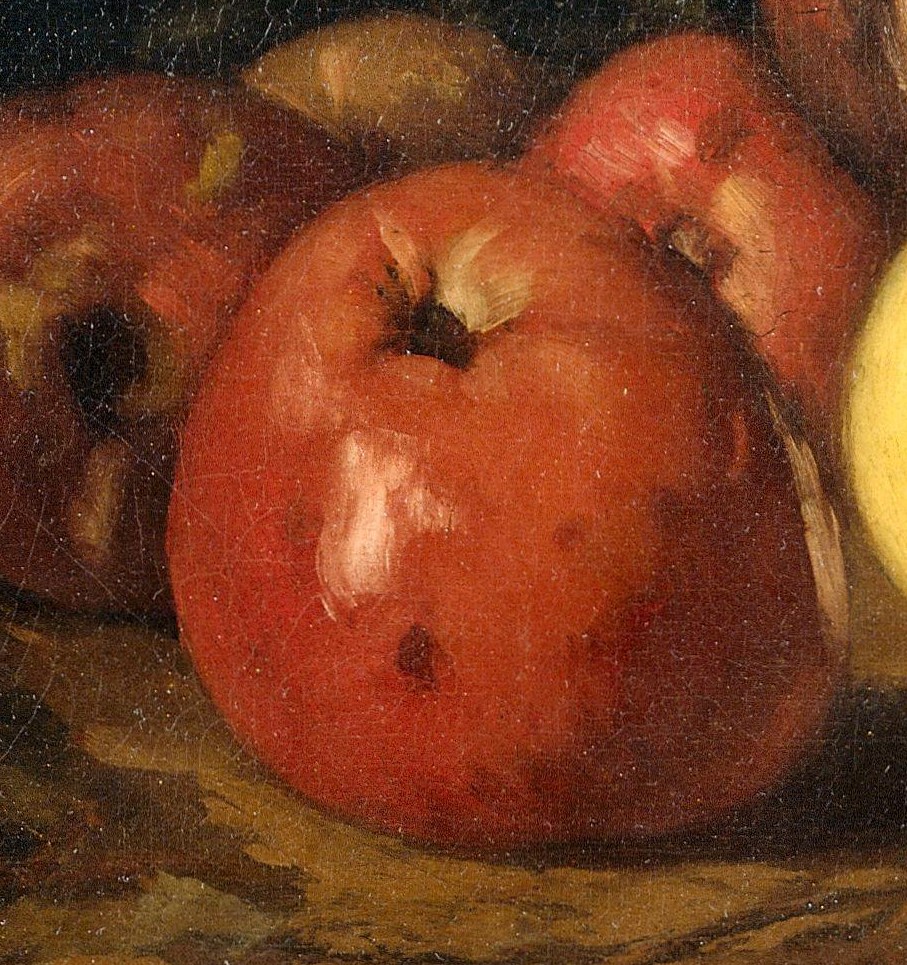
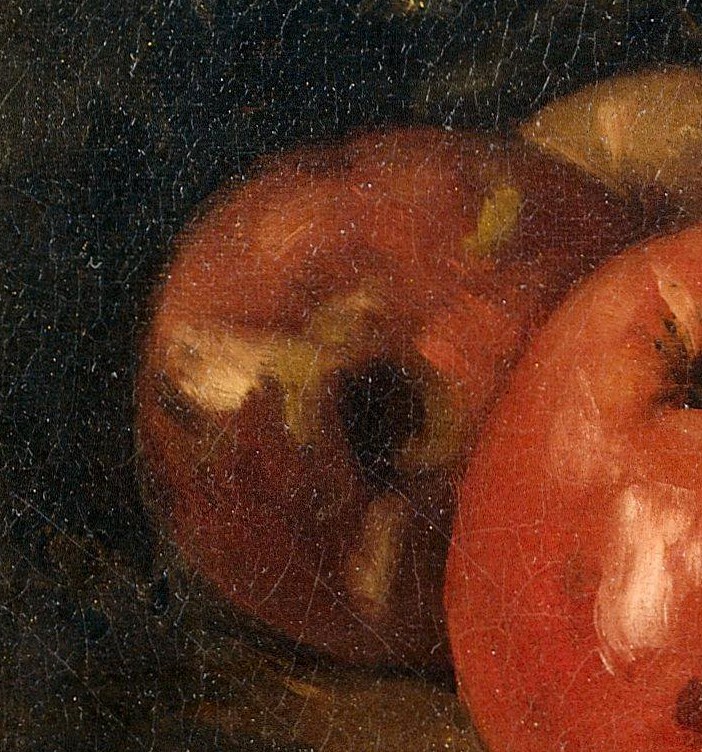
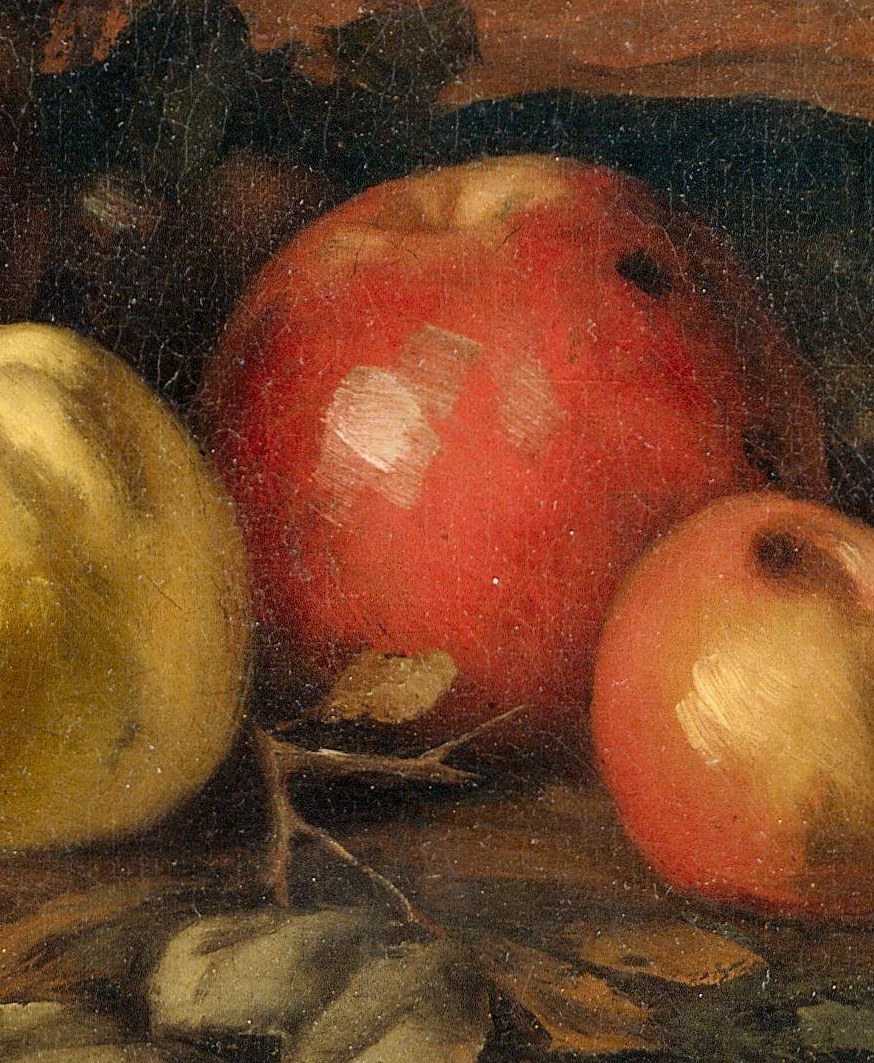
Courbet chose to depict these apples not as flawless specimens, but with visible imperfections and natural variations. Look closely at the subtle bruises and varied textures; this was a deliberate choice to portray subjects authentically, prioritizing an honest representation of reality over conventional notions of beauty.
This painting reflects Courbet's commitment to portraying subjects directly observed from daily life. After his involvement with the Paris Commune, and during a period of imprisonment and later exile, Courbet's work turned to less overtly political subjects, including still lifes like this one, which still carried his realist philosophy.
*Still Life with Apples* is held in the collection of the Rijksmuseum, a testament to Realism's enduring influence.
Details
Transcript
In 1872, this painter turned from grand scenes to humble apples. He was Gustave Courbet, leader of the Realism movement. Realism sought to show the world exactly as it was. So, his apples are not perfect, idealized fruit. But real apples, with every bruise and imperfection. A quiet revolution against the drama of earlier art.