Sense of Sight by Adriaen van Ostade
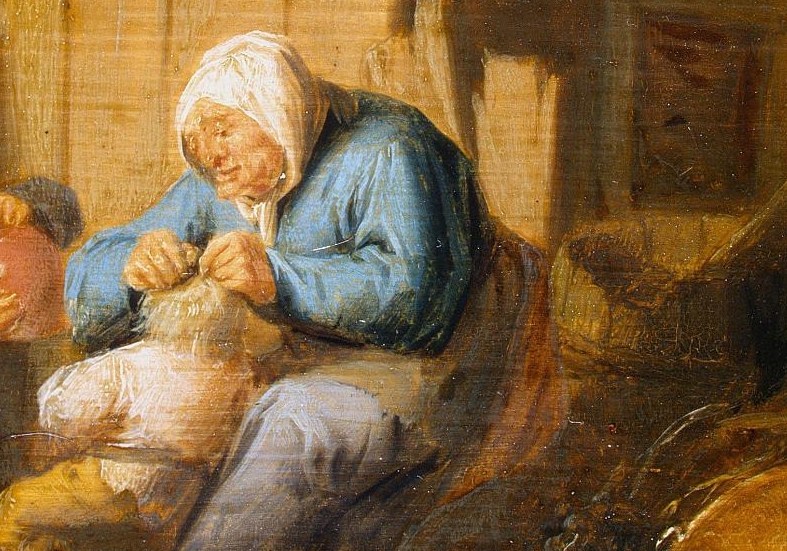
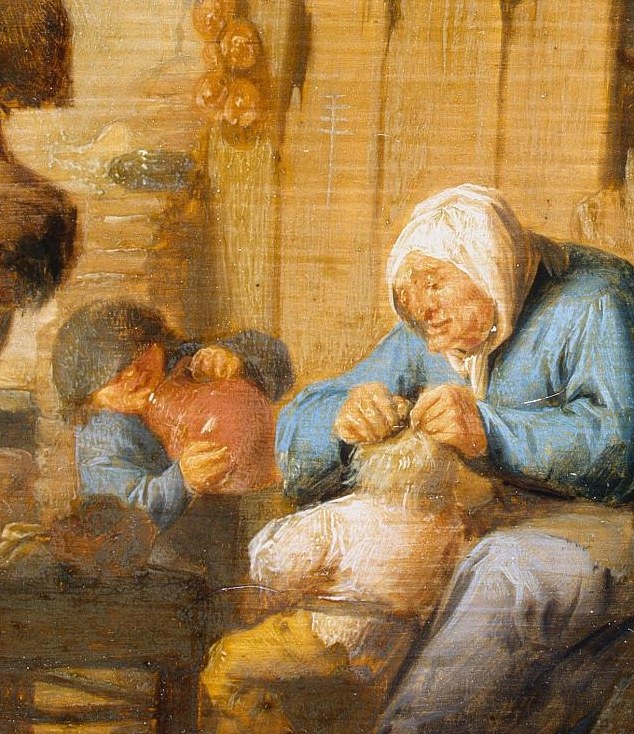
Adriaen van Ostade’s “Sense of Sight” (1635), held at the State Hermitage Museum, offers a window into the everyday life of 17th-century Holland. More than a simple domestic scene, it captures a common and intimate ritual of the time: a flea treatment.
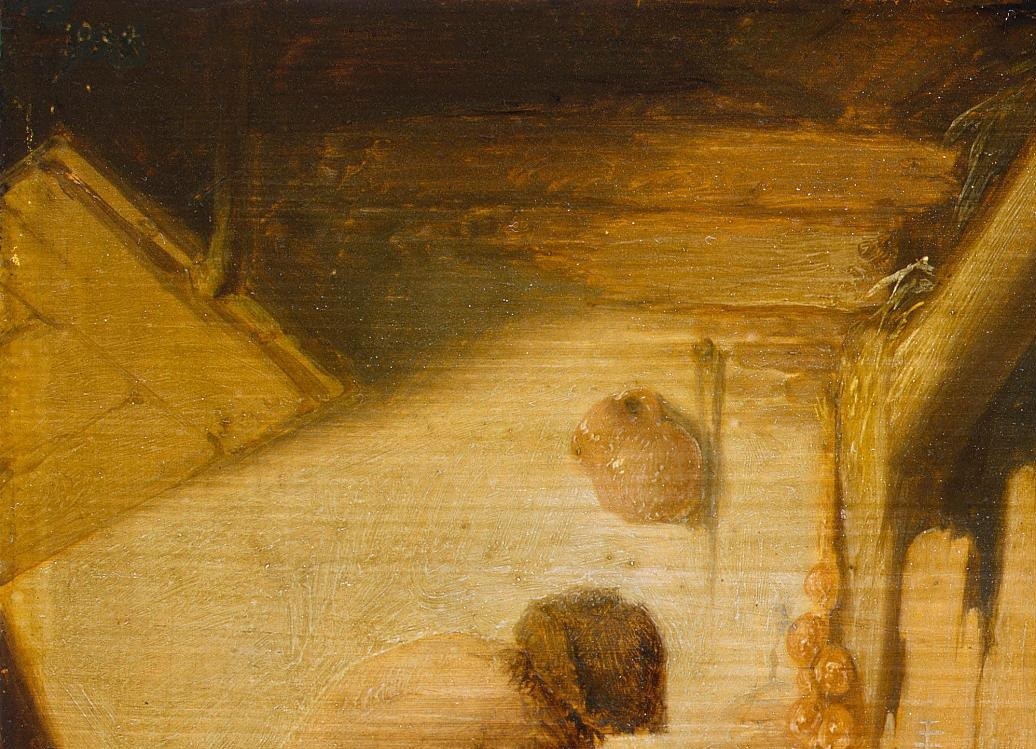
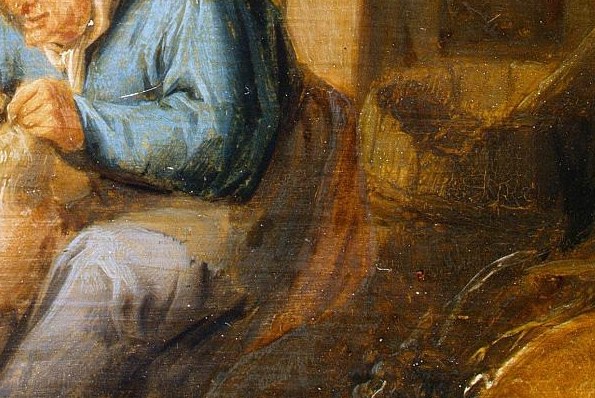
Notice the strong diagonal light, a signature chiaroscuro effect, that illuminates the mother and child. Her tender gaze and the detailed objects on the table, like the child’s red toy, ground the scene in humble reality. The vibrant blue gown and white headscarf draw the eye, emphasizing her domestic role.
Van Ostade was a Dutch Golden Age painter renowned for his genre scenes, often depicting the lives of ordinary people in their homes. This particular work not only showcases his mastery of light and shadow but also provides a fascinating glimpse into the practicalities of household life during the period. It reminds us that art can illuminate the most common, yet deeply human, experiences.
What other daily rituals do you think were painted by artists of this era?
Details
Transcript
This 17th-century Dutch painting captures an intimate moment. The artist was Adriaen van Ostade, known for domestic scenes. A strong diagonal light illuminates the mother and her infant. She wears a vibrant blue gown and a bright white headscarf. Her tender gaze focuses on a small, common problem. This is a flea treatment, a common household ritual then. The Hermitage Museum holds this precise work, 'Sense of Sight'.