John Quincy Adams by Sully, Thomas
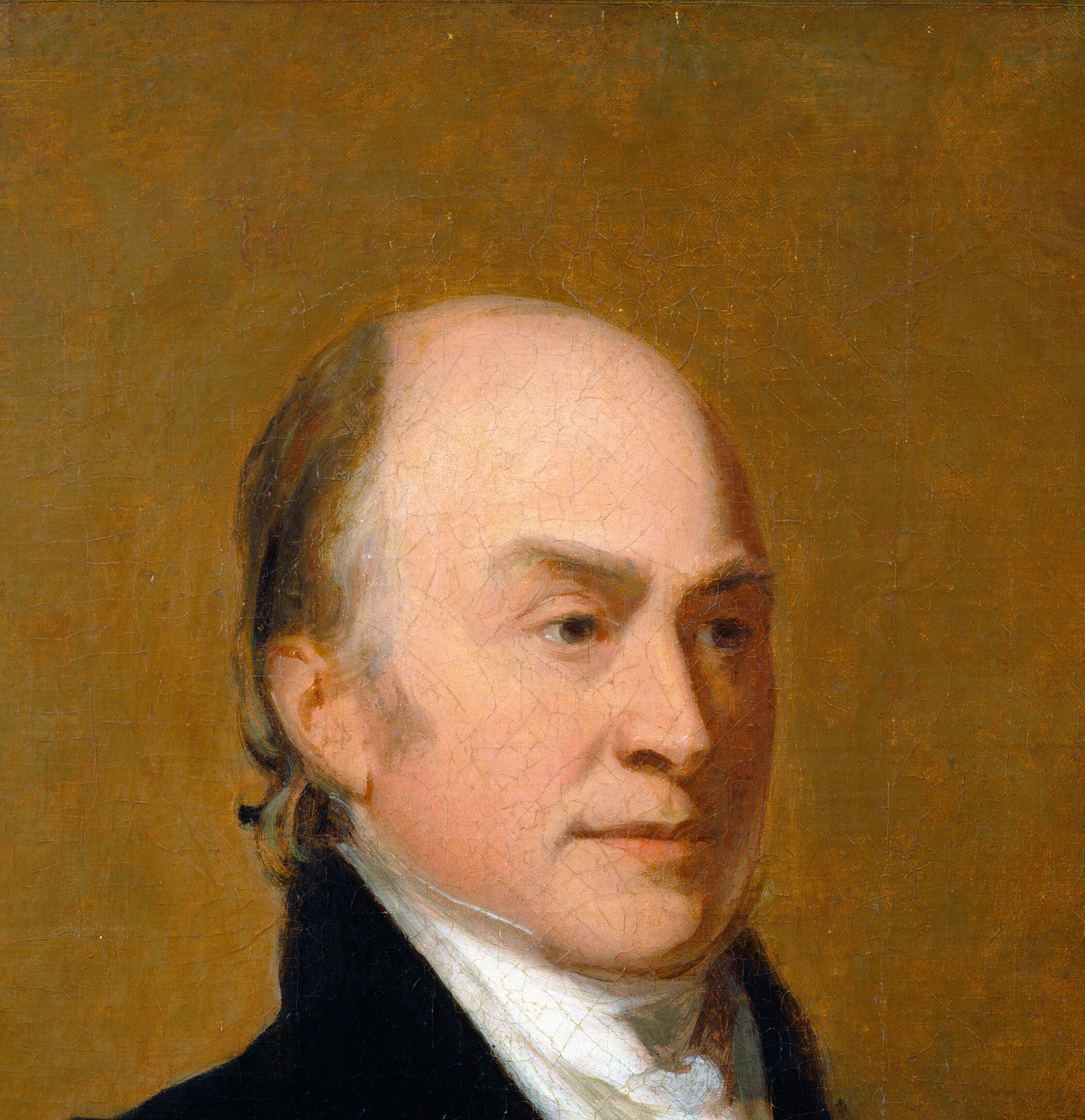
Thomas Sully painted John Quincy Adams in 1824, the very year Adams won the presidency through what his enemies forever called the 'Corrupt Bargain.' The portrait now hangs in the National Gallery of Art. It is less a celebration than a document of survival: Adams sits for the painter knowing half the country believes he stole the office.
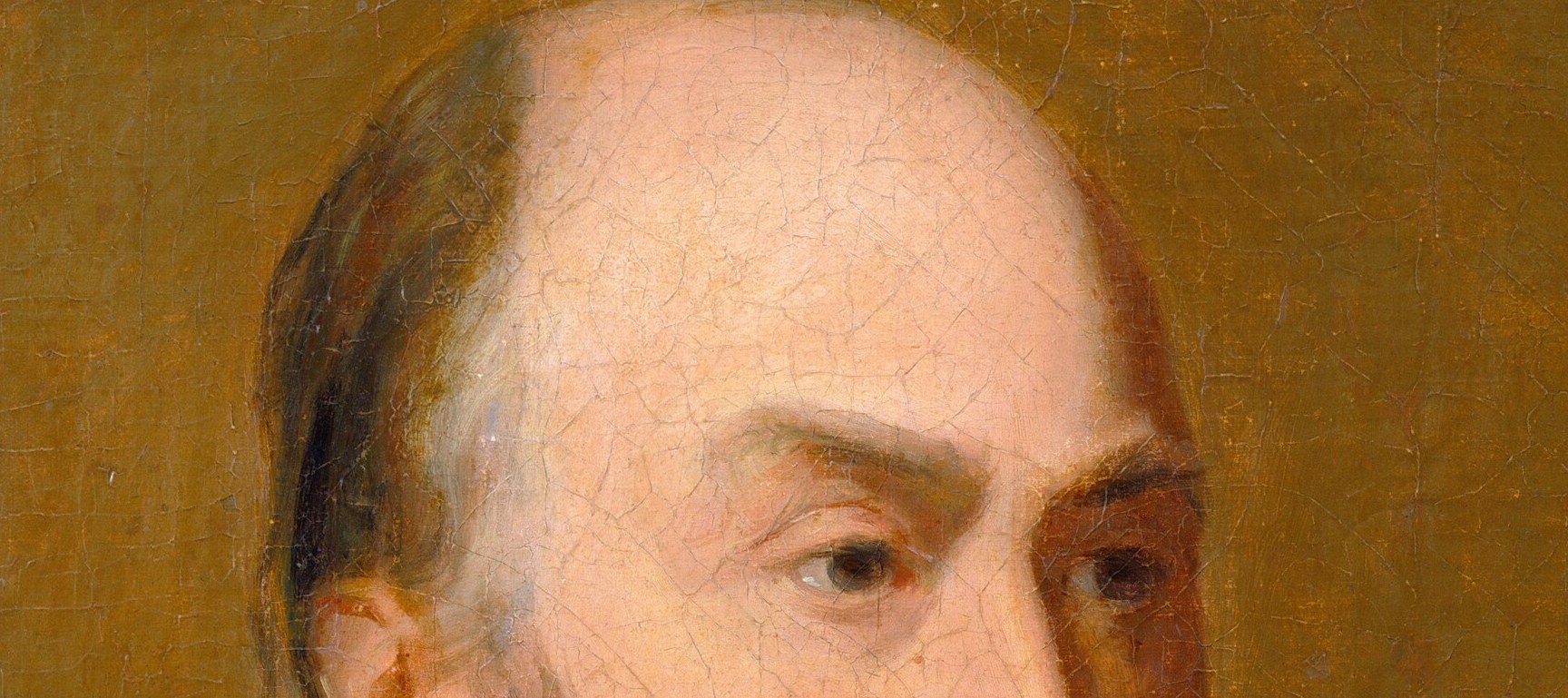
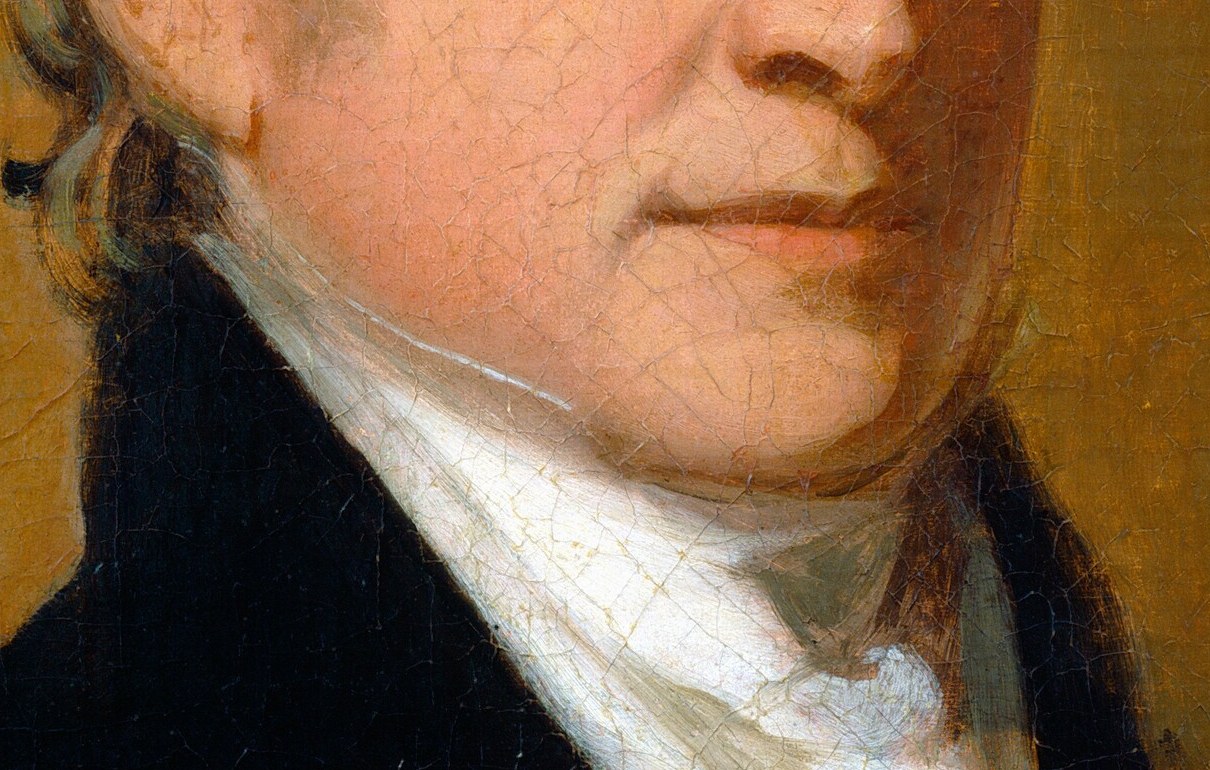
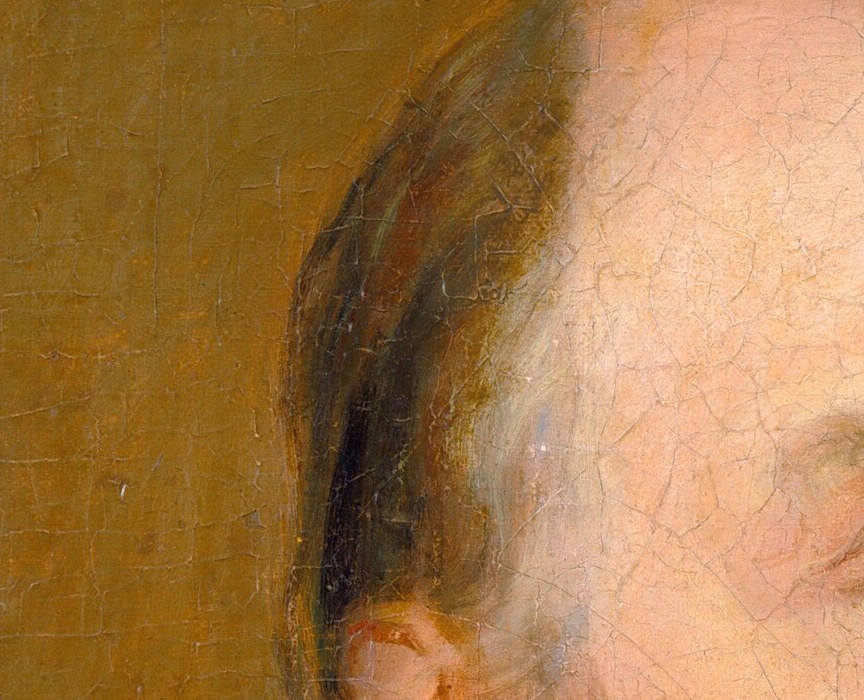
Look at the mouth first. Sully gives Adams no smile, no warmth, just a straight, unyielding line above a square jaw. The eyes are level and watchful, and the right eye falls slightly into shadow, so the gaze reads as guarded rather than welcoming. Sully also refuses to edit out the receding hairline; Adams was 57, and the portrait tells you so.
In the election of 1824, Andrew Jackson won the popular vote but failed to secure an electoral majority, throwing the decision to the House of Representatives. Adams prevailed with the support of Henry Clay, whom he then named Secretary of State. Jackson and his allies denounced it as a stolen presidency, and the charge followed Adams through his entire term. This portrait was commissioned in that charged atmosphere, and Sully, a shrewd, popular painter, seems to have understood the assignment: project authority and endurance through the storm.
Adams once wrote in his diary, 'I am a man of reserved, cold, austere, and forbidding manners.' This canvas suggests he was a reliable witness to himself.
Details
Transcript
The year is 1824. No single American is more watched. John Quincy Adams. He has just survived the ugliest election yet. A four-way race that ended with no clear winner. The House of Representatives decided it. His rivals called it a corrupt bargain. Sully refuses to flatter him. The thinning hair, the unyielding mouth, all of it stays. The eyes hold the whole story: level, alert, and accustomed to being doubted.