Nicolas Louis Faret and Madame Nicolas Louis Faret by Martin Drolling
Step into the early 19th century with Martin Drolling's "Nicolas Louis Faret and Madame Nicolas Louis Faret," painted in 1812. This remarkable work, housed at The Cleveland Museum of Art, is more than just a likeness; it's a carefully crafted declaration of social standing and personal values.
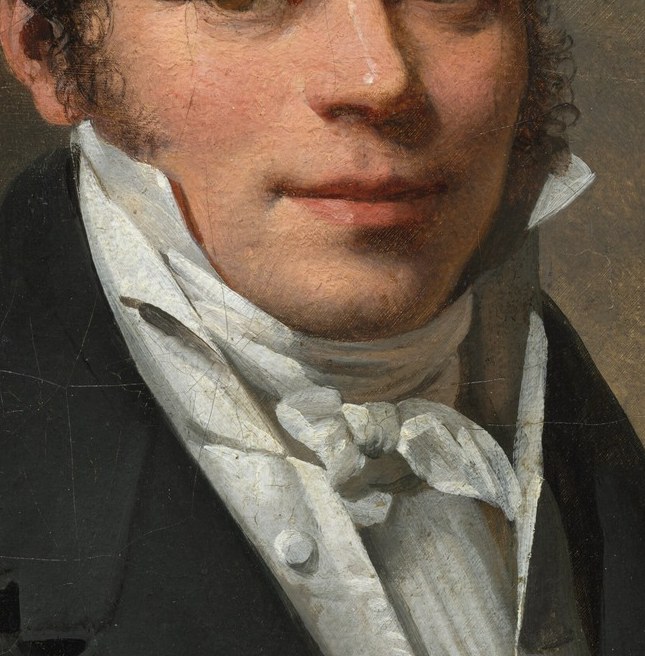
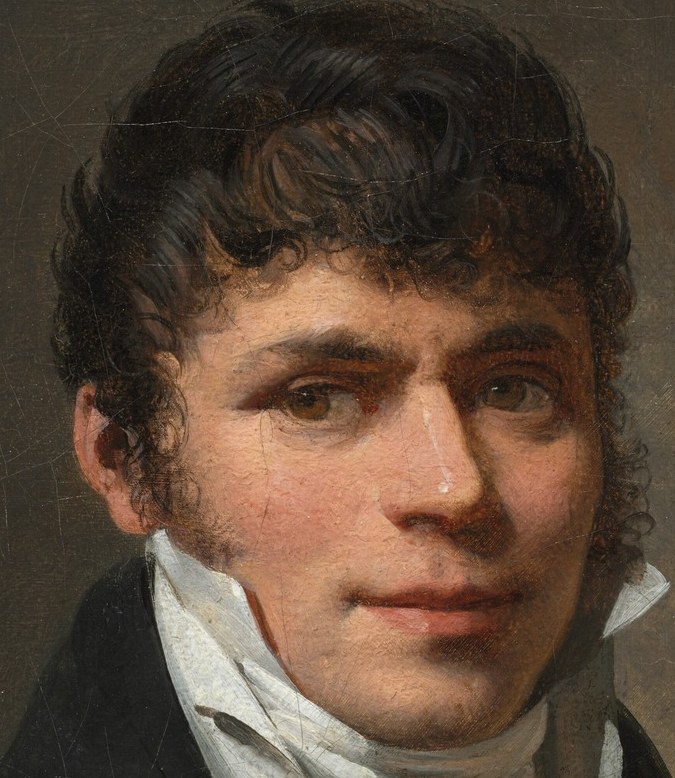
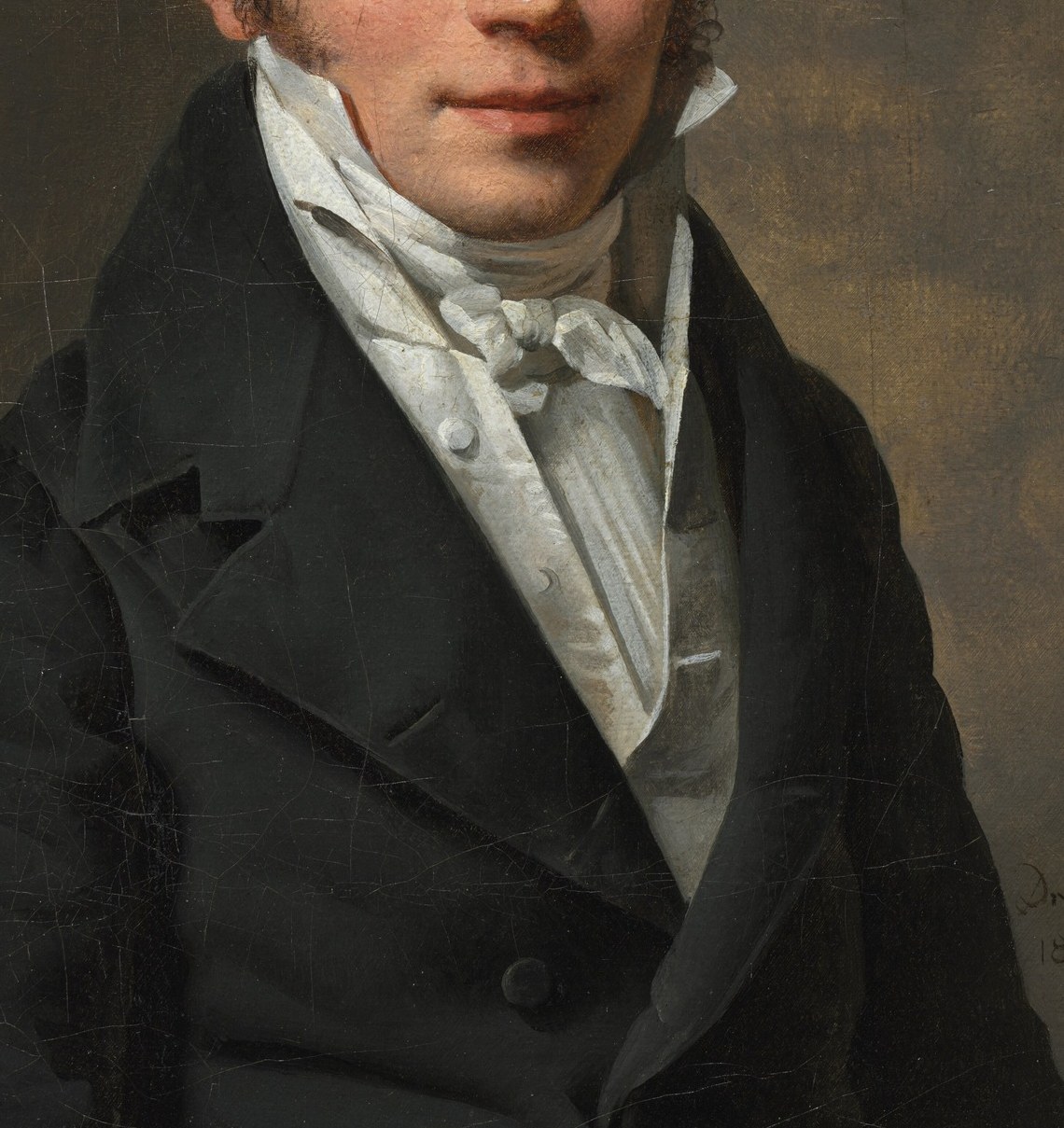
Observe the details: his impeccably tied cravat speaks volumes about his prosperity, while her elegant gown and draped shawl reflect a modest, refined taste. Every element of their attire and posture works together to convey a message to the viewer.
Drolling, a notable French painter and father to two other artists, created this piece during a period emphasizing family values and the private sphere. The portrait captures the couple's quiet intimacy and mutual respect, reflecting the ideals of the burgeoning Biedermeier movement.
What do you notice first about their expressions? The painter's skill brings a timeless dignity to this intimate historical record.
Details
Transcript
This isn't just a portrait, it's a statement. Painted by Martin Drolling in 1812, this couple made a public declaration. His crisp cravat, a symbol of high status, signals prosperity. Her gown and draped shawl show modest elegance. They are Nicolas Louis Faret and his wife, recording their social standing. Their poised stances convey mutual respect and quiet intimacy.