The Cheyenne Brothers Returning from Their Fall Hunt by Catlin, George
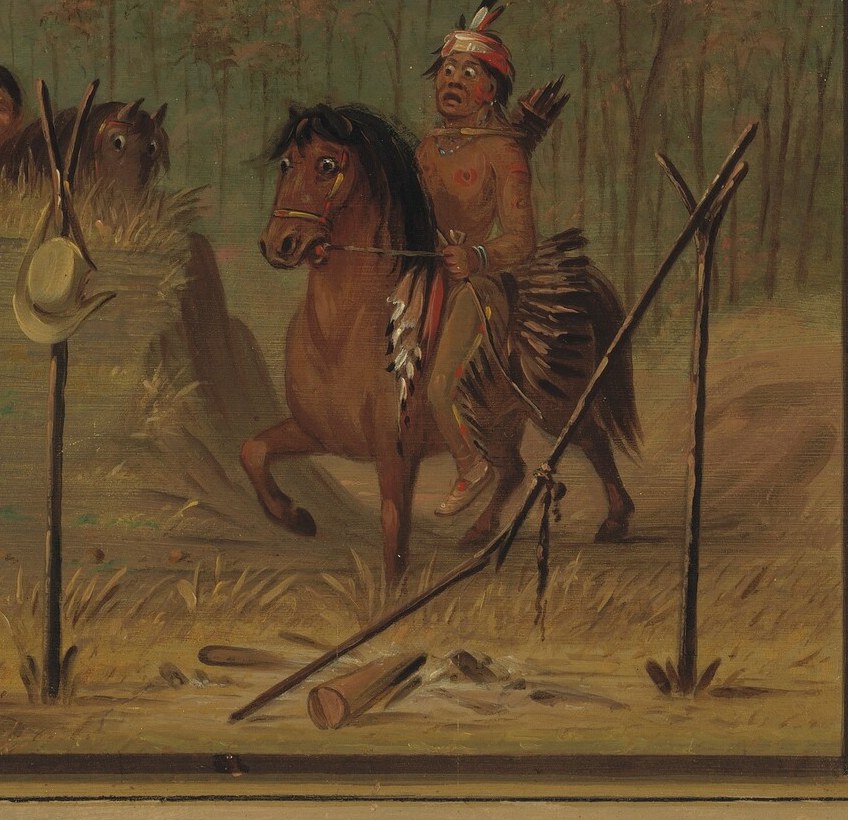
George Catlin’s “The Cheyenne Brothers Returning from Their Fall Hunt” (1865) is a small, quiet testament to a world the artist believed was disappearing right in front of him. A lawyer turned painter, Catlin spent the 1830s traveling through the American West, determined to document the faces and customs of the Plains Indians before colonization erased them.
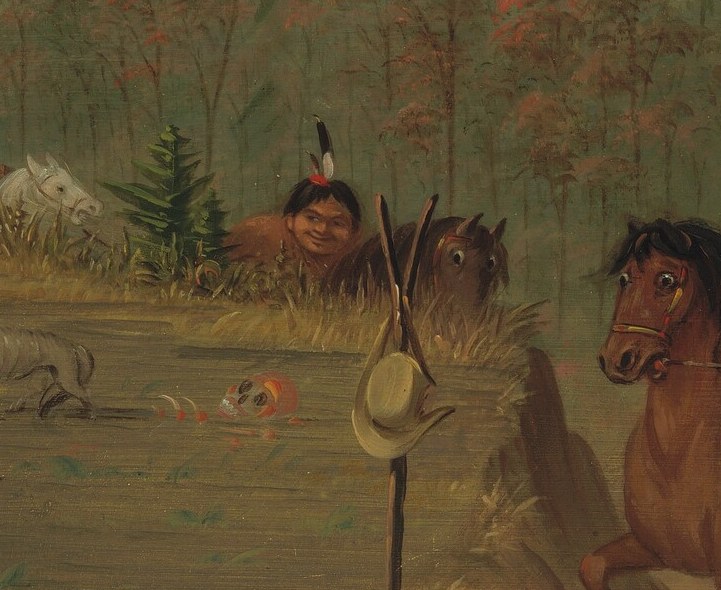
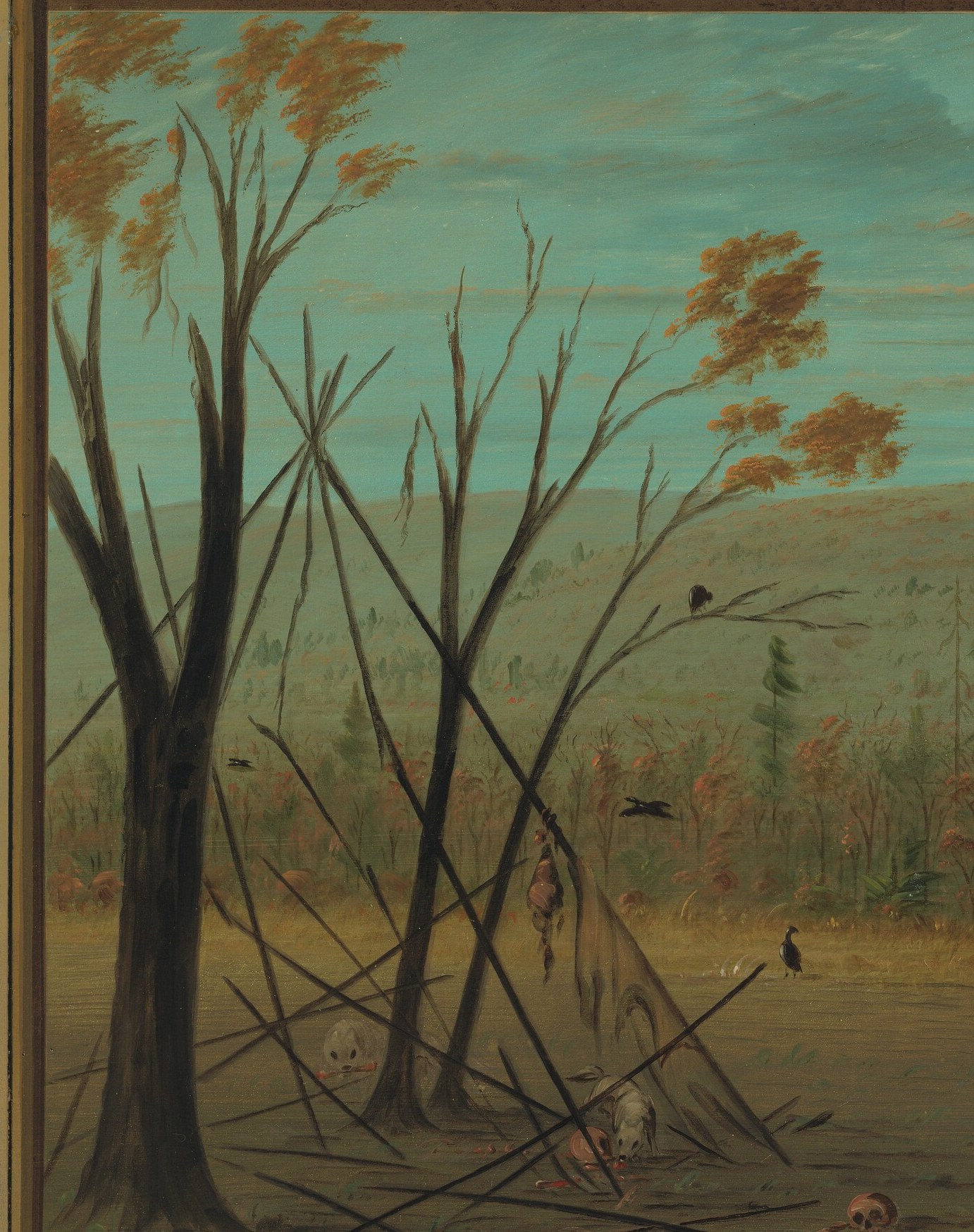
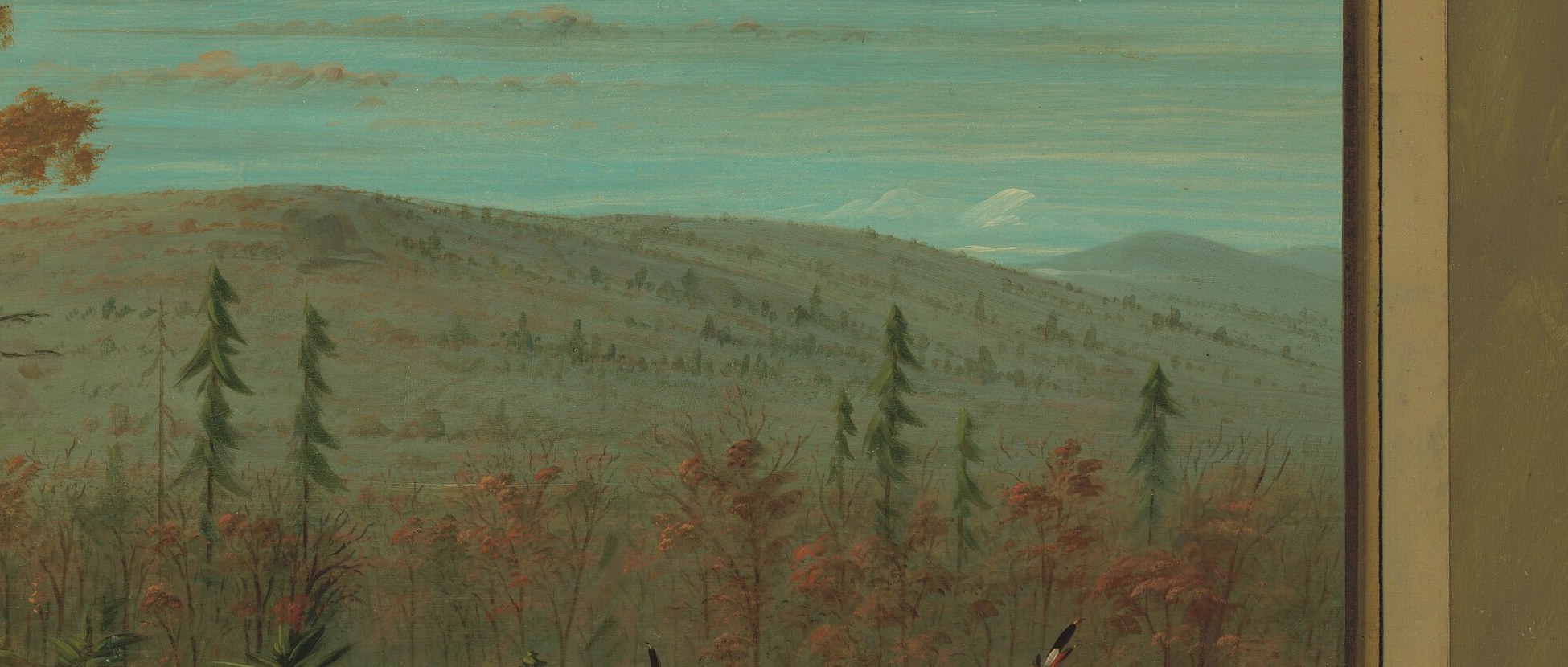
Look at the stillness in the brothers’ posture. The hunt is over. This is not a scene of heroic action but of quiet reflection, a glimpse into the ordinary, communal rhythm of Cheyenne life. The spare landscape, a lone tree, the distant hills, the bones on the ground, frames them with an almost melancholic dignity.
By the time Catlin painted this work in 1865, his years of frontier travel were long past. He was working from memory and sketches made decades earlier, pouring into a small oil-on-card painting the weight of everything he had witnessed and the people he had known. It belongs to the late phase of his career, when his single subject was the life he feared would be lost.
It’s a painting about the long, quiet ride home, and about an artist trying to bring a whole world home with him.
Details
Transcript
He once drew canals and city celebrations. Then George Catlin went west and never looked back. It shows the moment after the chase. A companion waits beside him, still watching the horizon. Beneath them, the bones of a successful hunt. Catlin painted this in 1865, thirty years after he first traveled the plains. He knew these faces were vanishing from the world that made them.