Madonna Litta by Leonardo da Vinci
This is Madonna Litta, painted by Leonardo da Vinci around 1490 and housed in the Hermitage Museum. It is famous for Leonardo's masterful rendering of light, fabric, and atmospheric perspective, making the painted figures feel incredibly real.
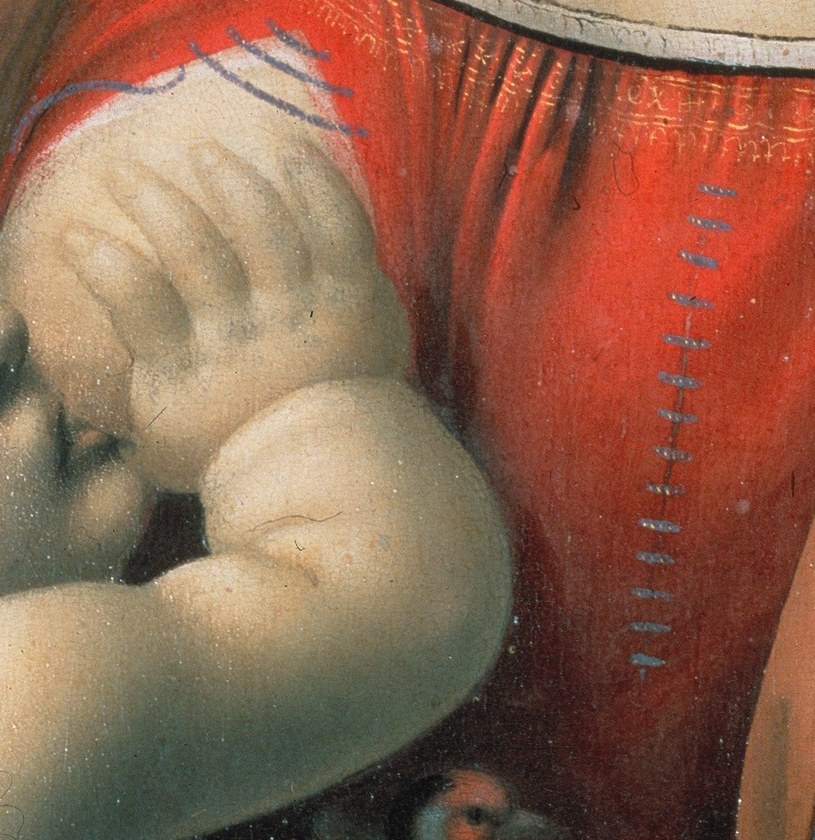
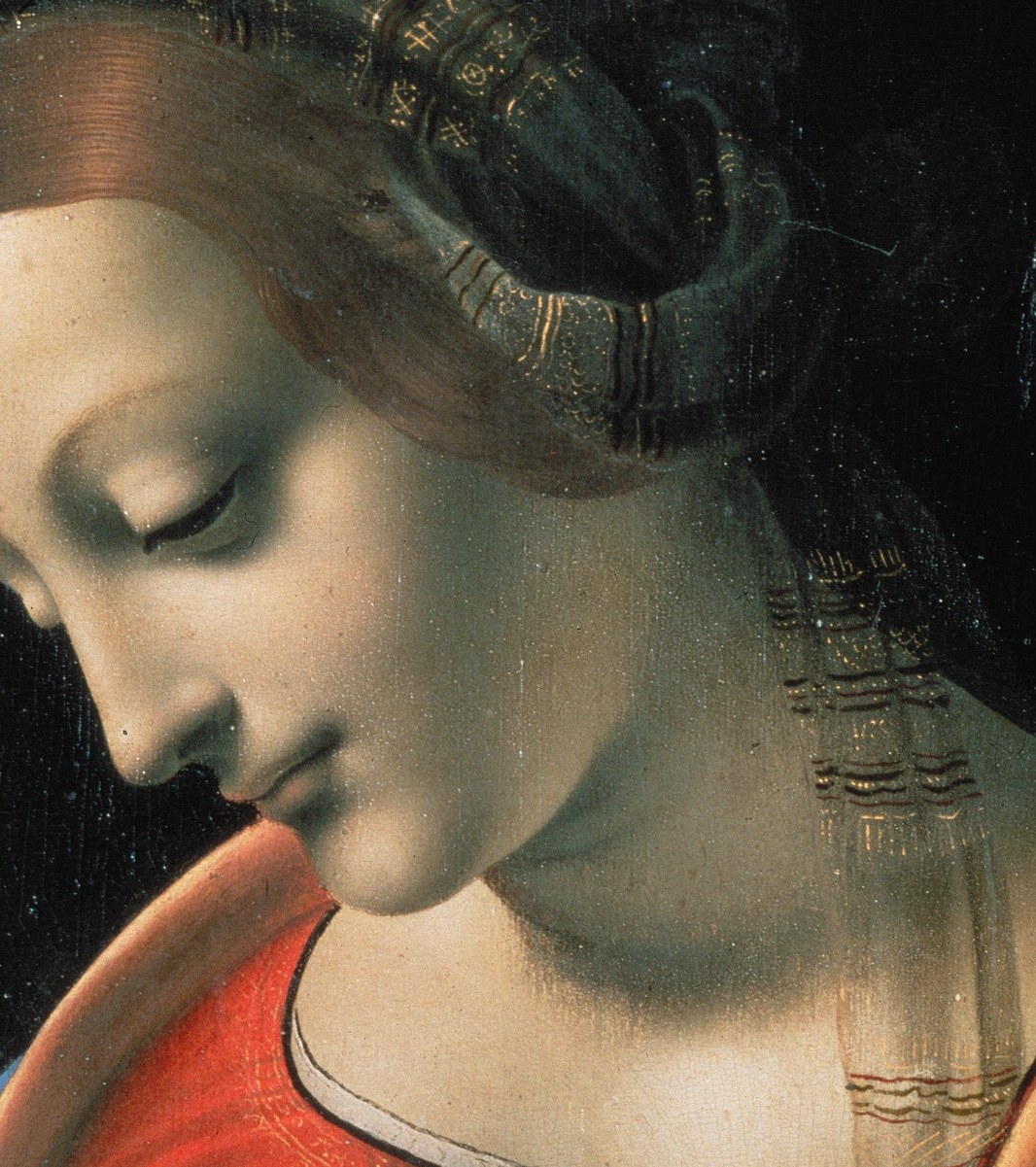
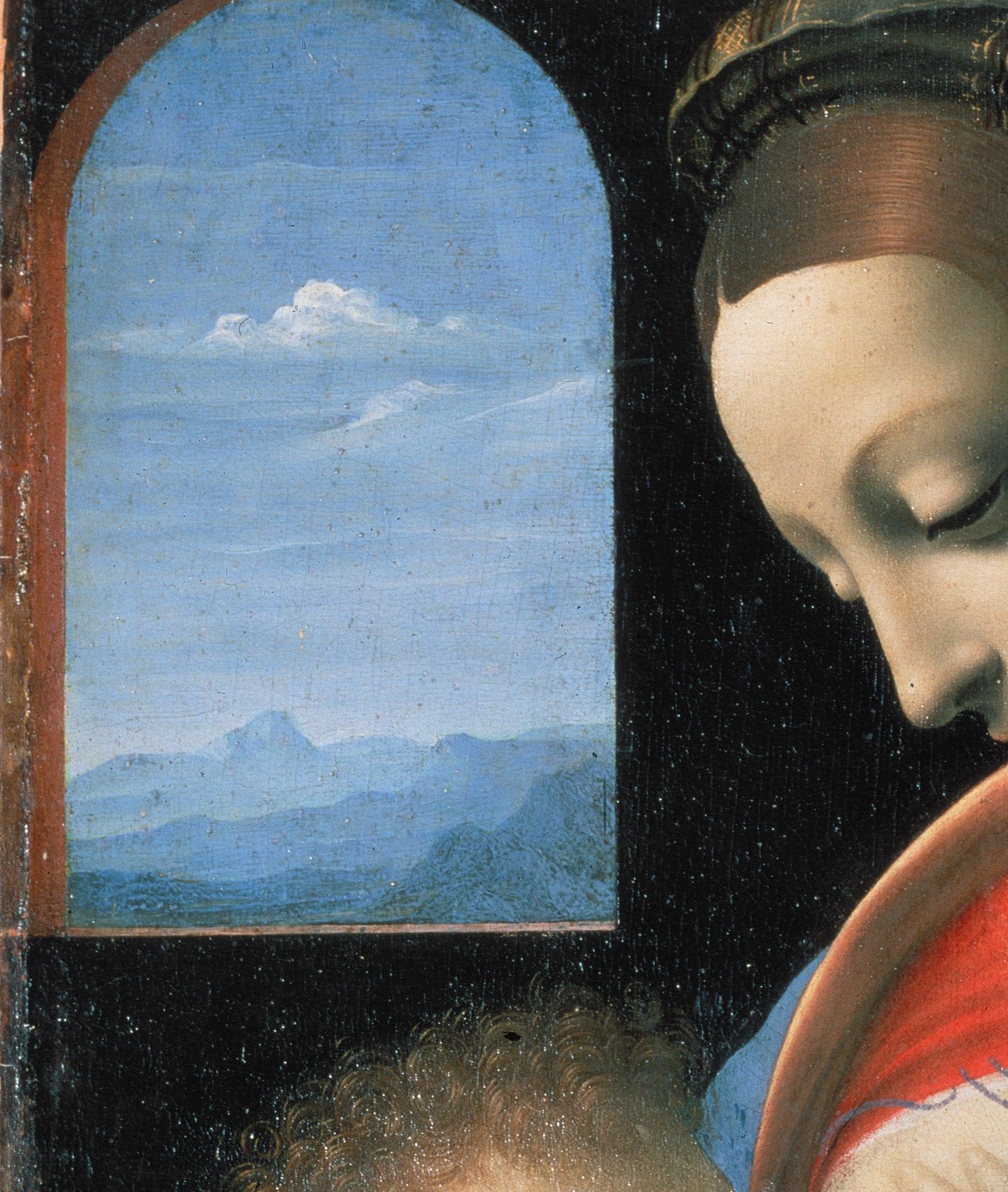
Notice the soft, lifelike modeling of the Madonna's and child's skin, achieved through subtle gradations of tone. Look closely at the drapery of the Madonna's blue mantle; the folds are so soft they seem to breathe. The distant mountains, viewed through arched windows, exhibit aerial perspective, a technique Leonardo perfected to create a sense of deep space.
Painted in tempera, the work's exact attribution is debated, with some scholars suggesting a pupil of Leonardo. However, the Hermitage Museum considers it an autograph work. The painting derives its name from the Litta family, Milanese nobility who owned it for many years.
Leonardo's ability to create such convincing illusions of form and space in paint is the true magic of this masterpiece.
Details


Transcript
Look at the skin tone of the child. See how light models his soft cheek. The Madonna's skin seems equally alive. Leonardo's hands made this fabric breathe. The cloth folds appear soft as flesh. A distant landscape recedes in soft haze. Aerial perspective was Leonardo's trick. He painted a world that wasn't there.