Willem Coymans by Hals, Frans
Frans Hals painted Willem Coymans in 1645, the very year the Dutch Republic was on the brink of sealing its independence from Spain with the Peace of Münster. It hangs in the National Gallery of Art, Washington, and it is the most alive portrait you will see this week.
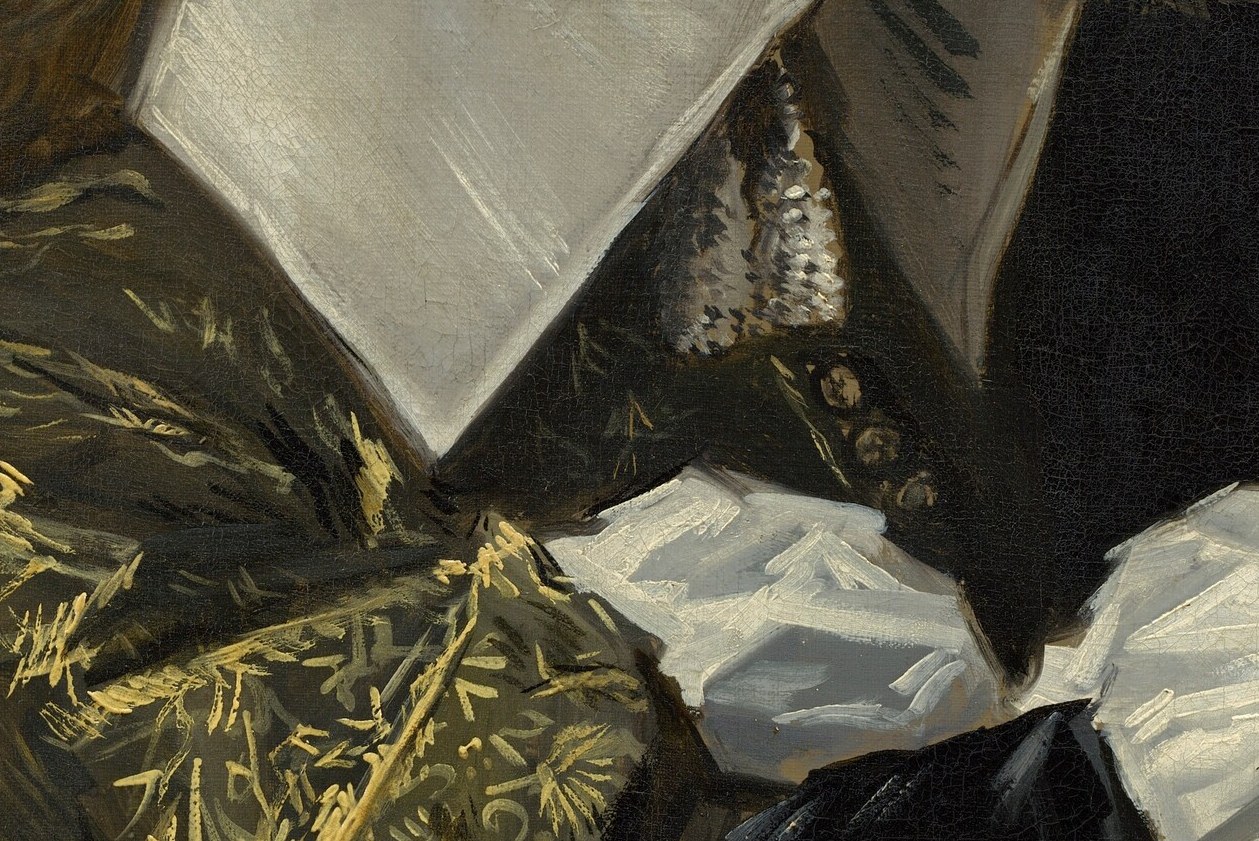
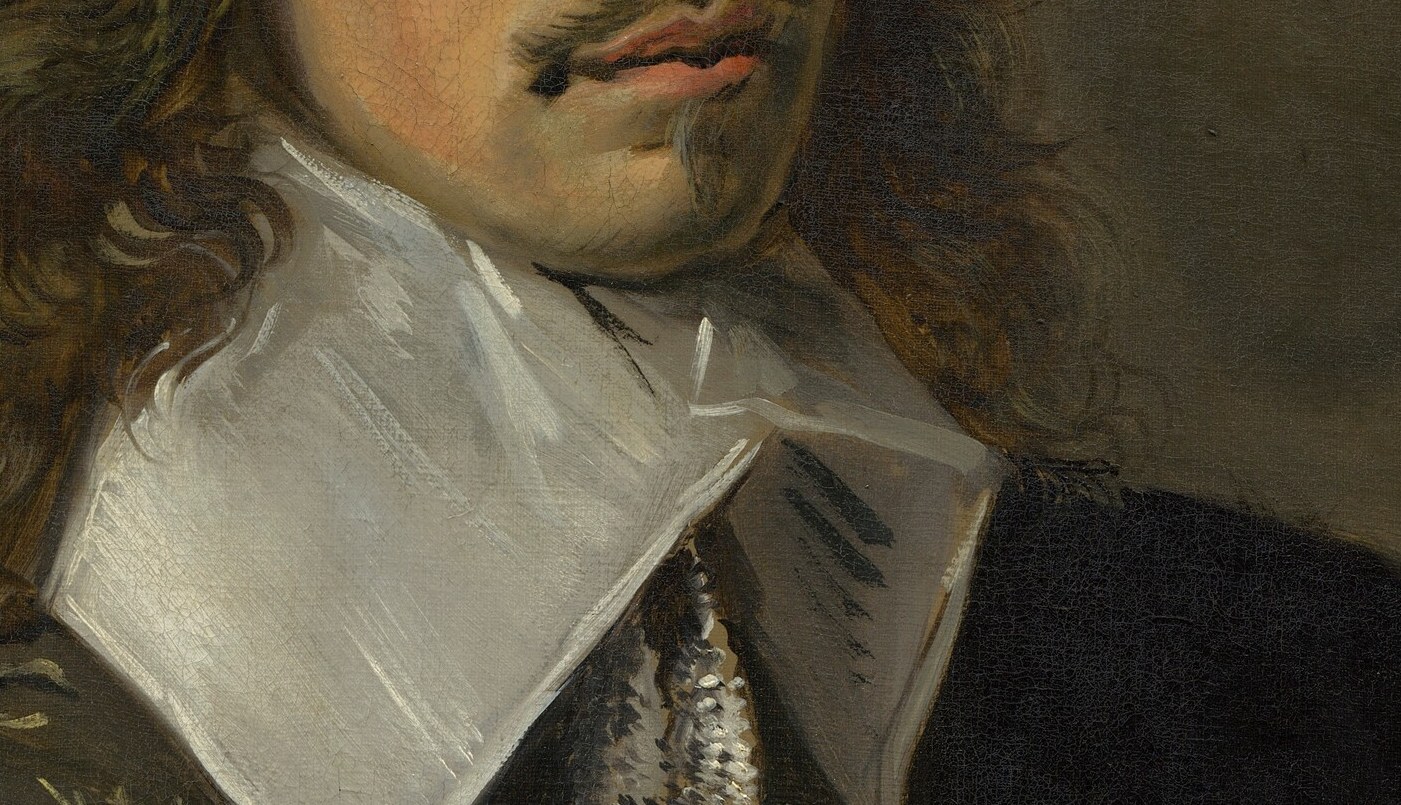
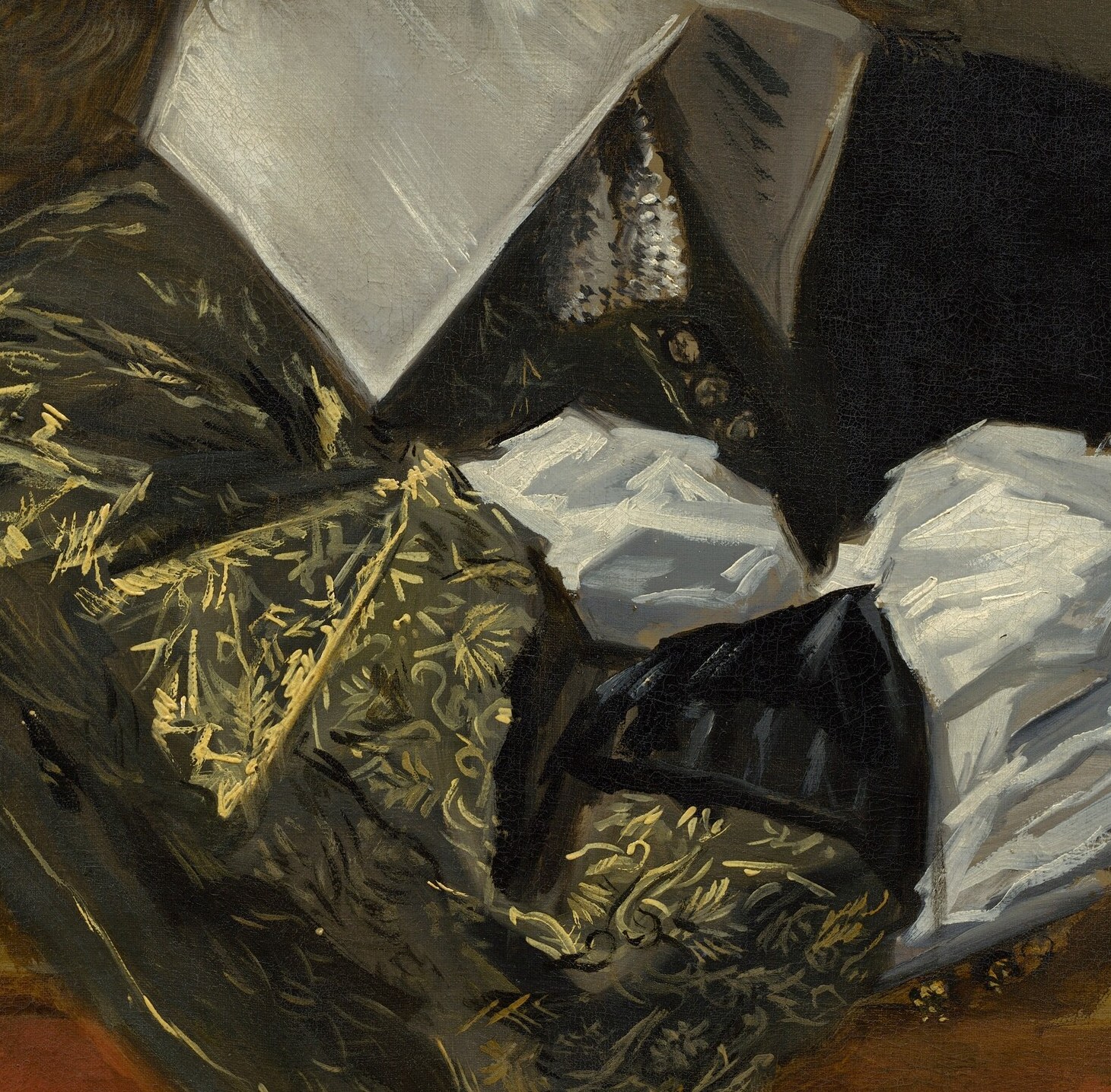
Start with the lace collar. A lesser painter would have labored over every thread; Hals loaded a wide brush and slashed it in with gestures so confident the fabric seems to flutter. Then notice the mouth: the lips are barely parted, as though Coymans is about to speak. This was Hals's signature trick, catching a face in a frozen instant rather than staging it for eternity.
The irony is that Hals was broke when he painted this. Court records from 1645 show his butcher suing him for unpaid bills. He painted Willem Coymans, a wealthy Haarlem merchant and the son of a prominent family, because he needed the commission. The coat of arms in the upper right corner confirmed the sitter's lineage; the casually held glove and relaxed arm confirmed his ease. Hals gave his client the status he paid for, then slipped in something extra: a human being breathing on canvas.
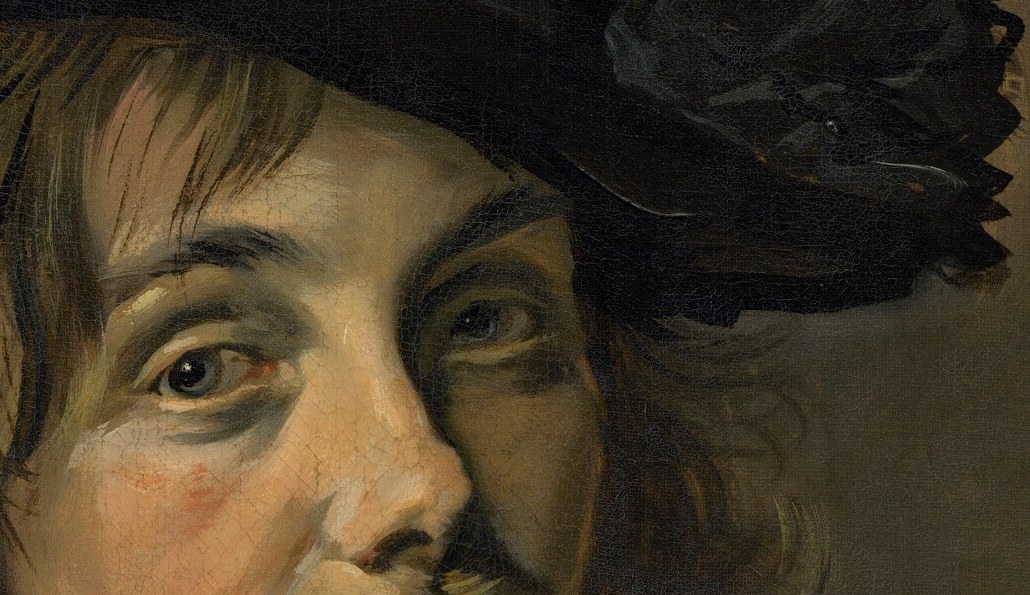
Hals's loose, slashing brushwork was out of fashion by the time he died in 1666. Smooth, polite portraiture overtook him. But stand in front of this painting and the man in the frame still meets your eye as an equal, still about to say something, still alive. That speed and confidence, that refusal to polish the life out of a face, is what makes him now seem two hundred years ahead of his time. What does Coymans look like he was about to tell you?
Details
Transcript
1645. The Dutch Republic is about to win its eighty-year war for independence. Willem Coymans wears the proof: a Haarlem merchant's quiet opulence. His collar is not painted thread by thread. Hals slashed it in with a loaded brush. The same year, Hals was sued by his butcher for unpaid bills. He painted this to get paid. Yet look at the face: no debt, no worry. Just the level gaze of a man who knows his place. Hals catches him mid-breath, lips parted, about to speak. Two centuries before the Impressionists, a Haarlem painter already knew: speed is life.