The Fable of the Miller, His Son, and the Donkey by Elihu Vedder
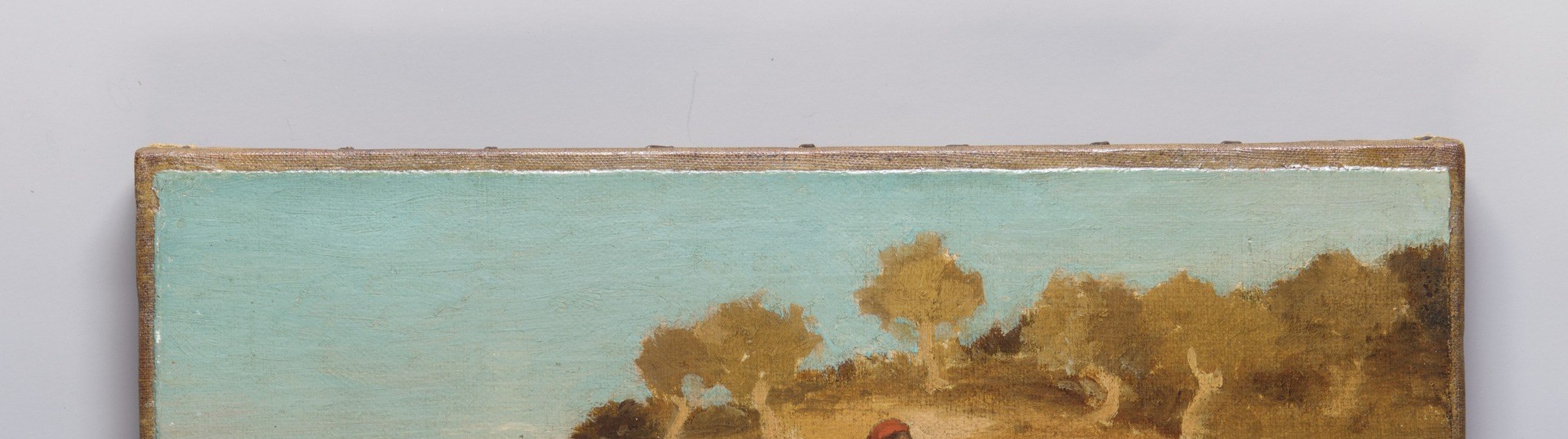
Elihu Vedder's "The Fable of the Miller, His Son, and the Donkey" (1867) hangs in The Metropolitan Museum of Art and asks its audience to look for something that is not there. Vedder was an American symbolist who spent years in Rome, and he painted this moral fable about the impossibility of pleasing everyone with a twist: the donkey named in the title is entirely absent from the composition.
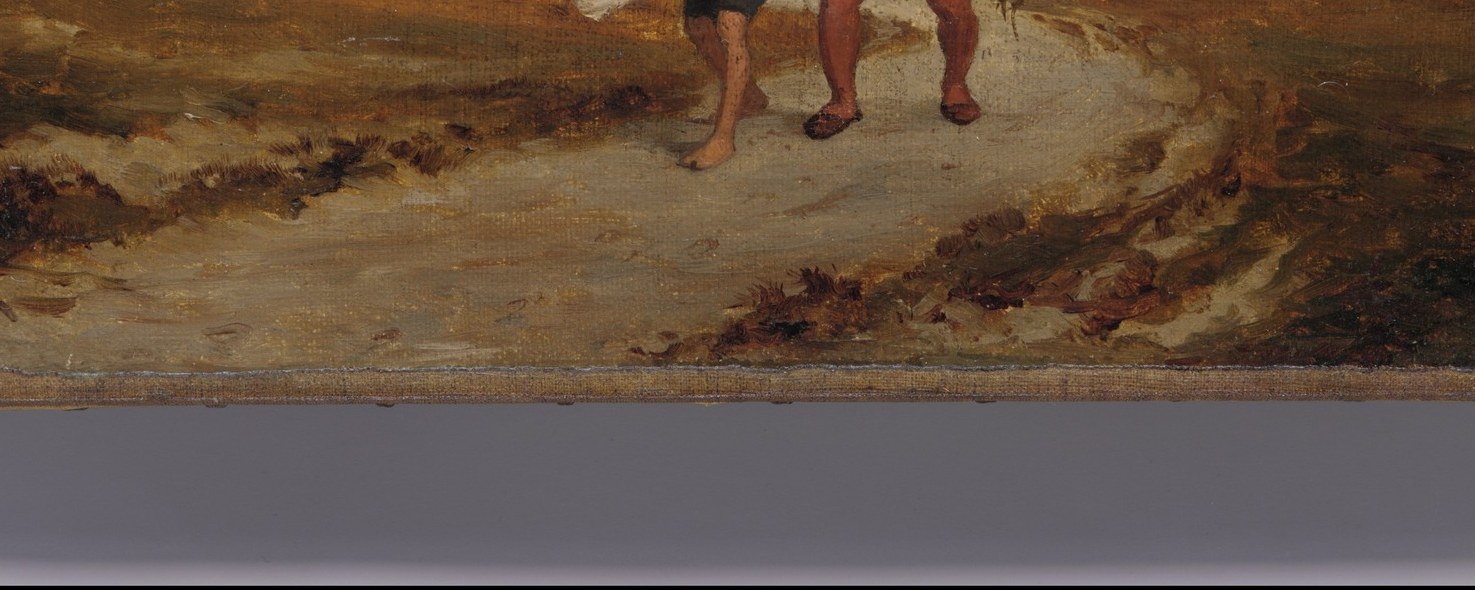
The two figures are on foot, their feet firmly on the sun-baked dirt road. The miller, in a patterned tartan jacket, gestures toward his barefoot son. The boy looks back. In Aesop's telling, this is the moment after the crowd has mocked them for every possible riding arrangement, father alone, son alone, both together, and they have resolved to carry the animal instead. Vedder freezes them mid-journey, the miller's exasperated face telling us everything about the labor of that decision.
Vedder is best known for his mystical illustrations for "The Rubaiyat of Omar Khayyam," but this earlier work shows his realist roots and his taste for narrative compression. Rather than painting the spectacle of two people hauling a donkey, he paints the road and lets the viewer supply the burden. The warm Italianate hills behind them are timeless, placing the fable outside any one country or century.
What does the painting gain by hiding its own subject? The weight of the donkey is felt more strongly in its absence than any painted animal could convey.
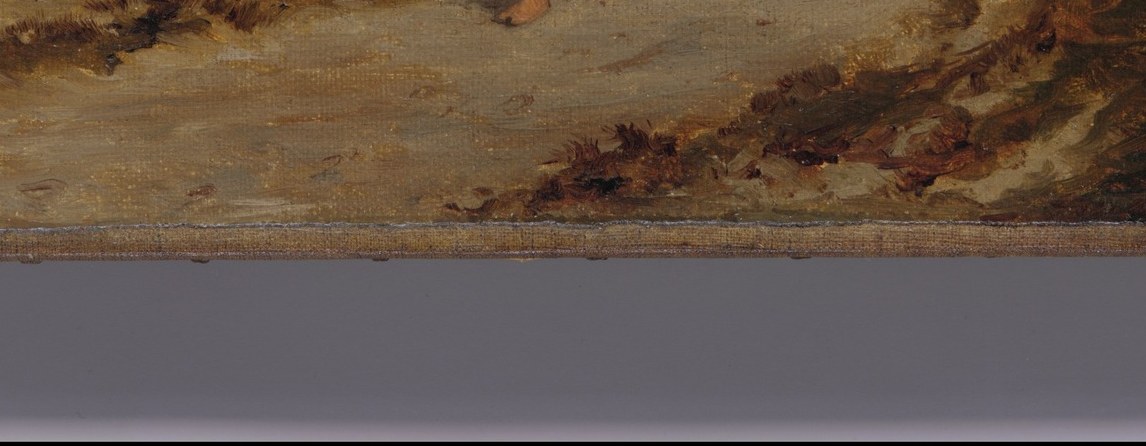
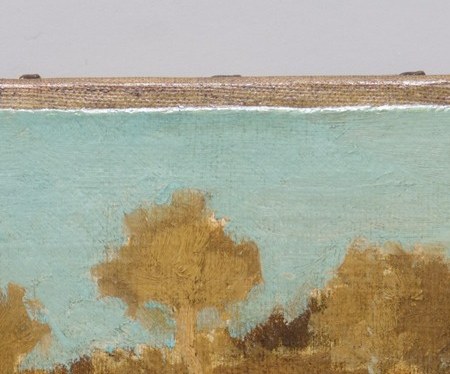
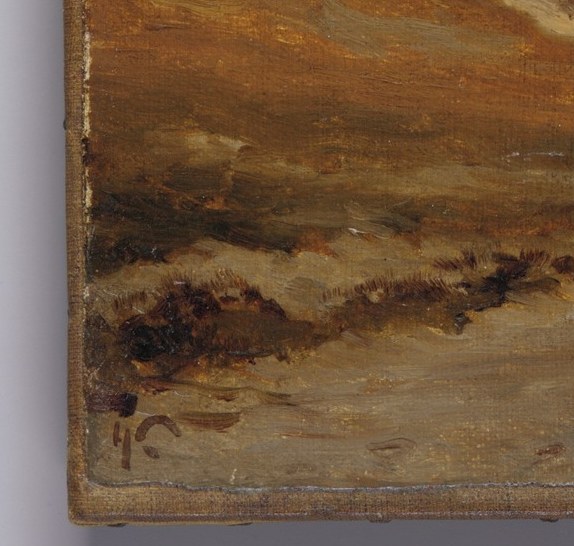
Details
Transcript
The title promises three travelers. A miller, his son, and a donkey. Both are walking. No one is riding. Elihu Vedder painted this American scene in 1867, from his studio in Rome. He knew the fable. The pair received so much criticism they carried the donkey. The storyteller cut the donkey from the frame. You have to imagine it, just off the road, out of sight.