Charles Adams Wheeler by Beardsley Limner, The
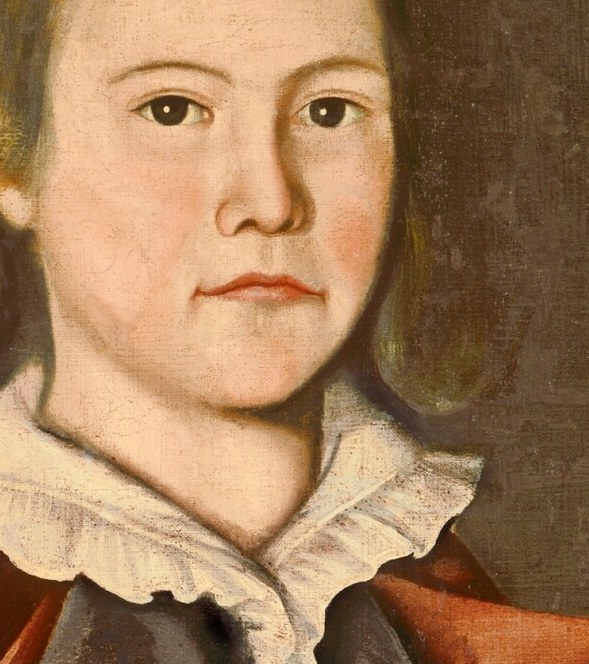
This is a portrait of Charles Adams Wheeler, painted around 1790 by an unknown American artist now called the Beardsley Limner.
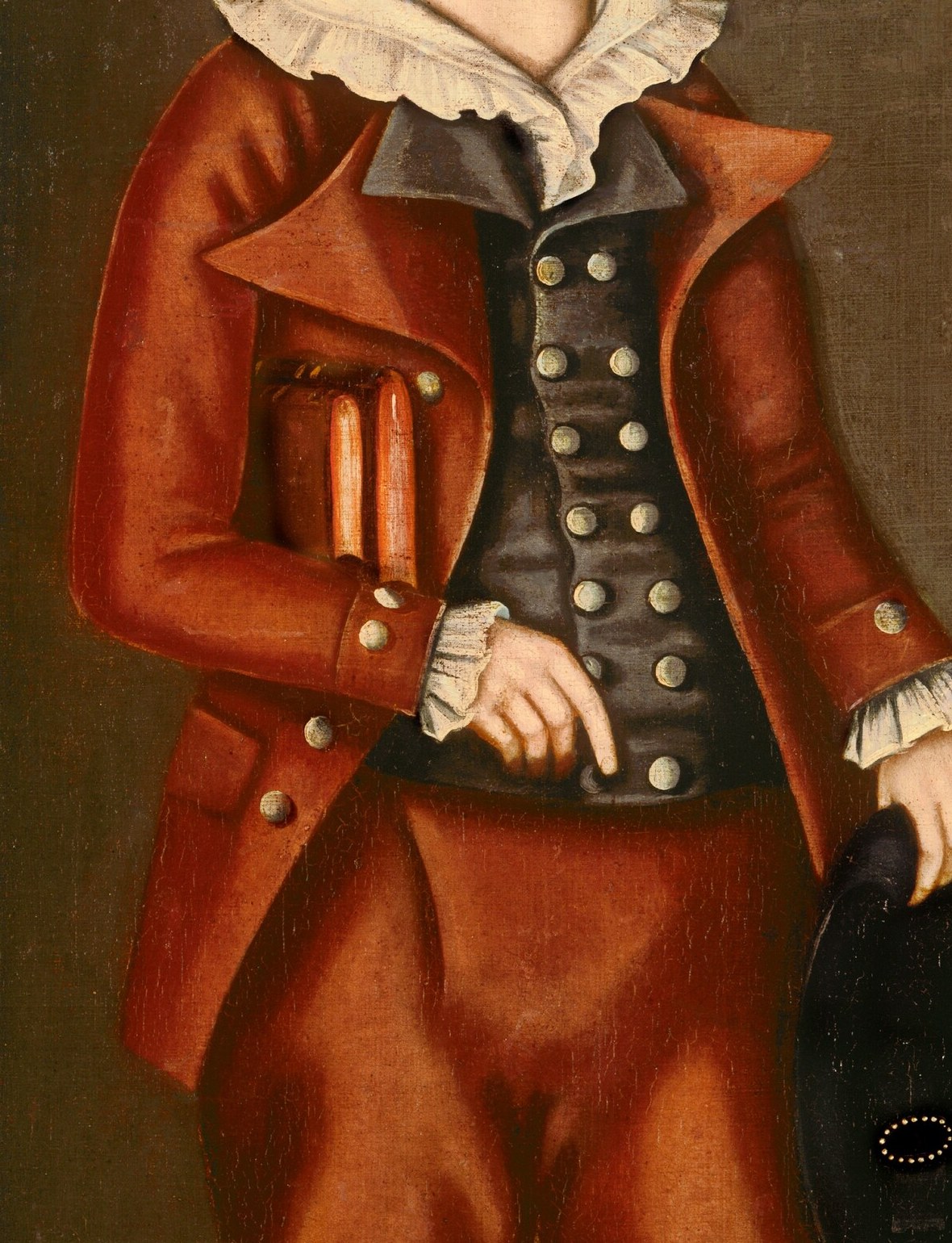
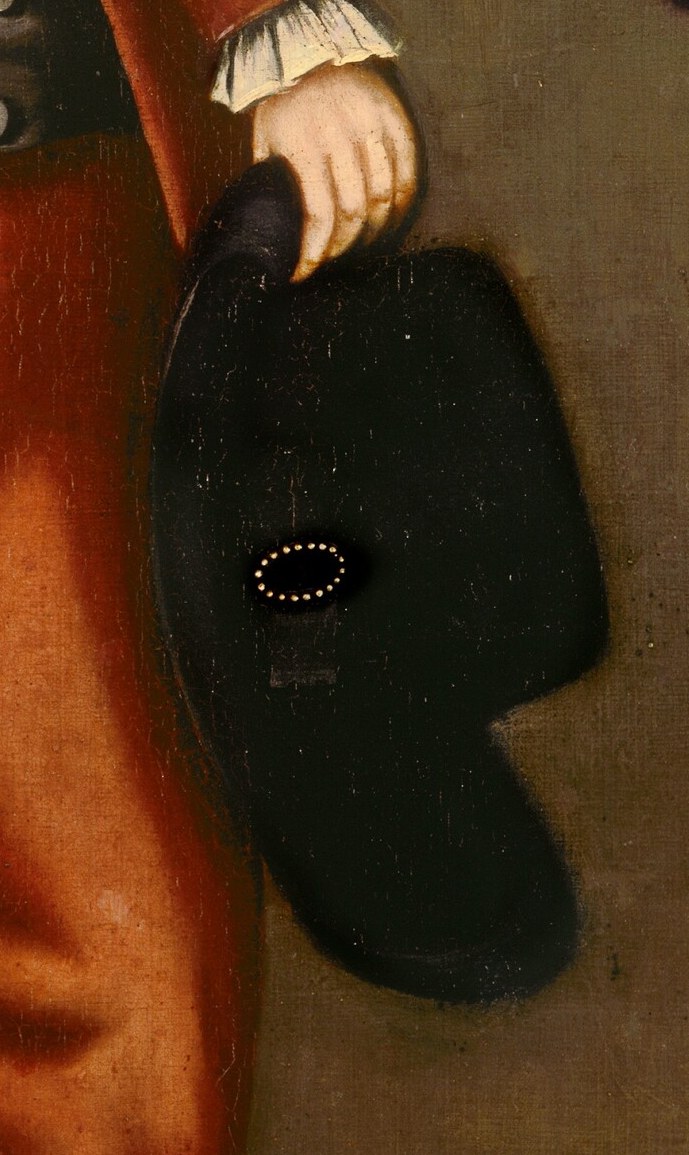
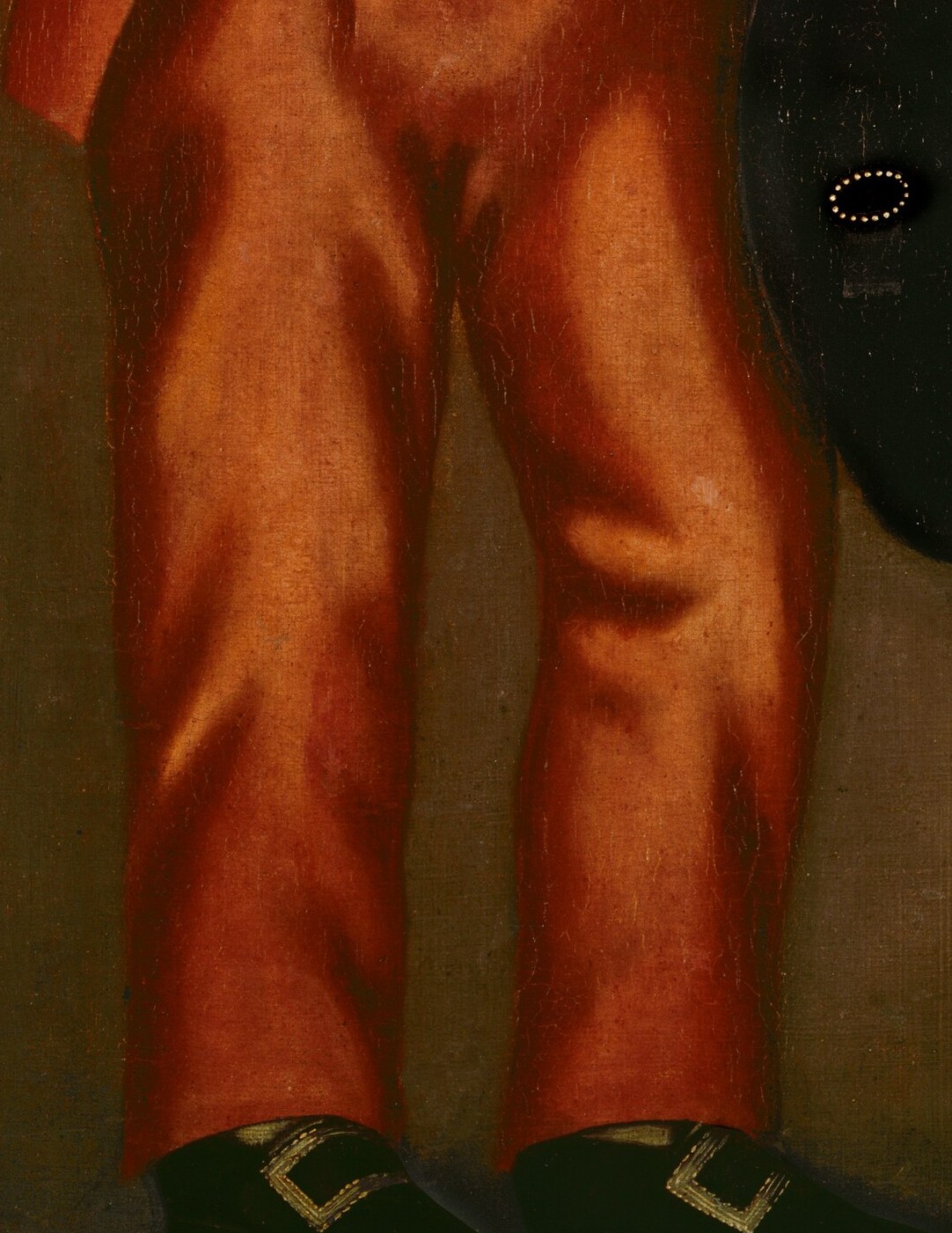
The painting shows Charles in his finest clothes: a red coat, a patterned vest, and a white ruffled collar. He holds a black hat. And tucked into his coat pocket, barely visible, is a book. The painter made sure that book showed. It says that this boy was educated, that his mind mattered as much as his clothes.
In late-eighteenth-century America, having your portrait painted was a significant expense. A family saved for it. They dressed their child in the best fabric they owned and stood him in a formal pose for hours. The resulting image was a statement to the world about who they were and what they valued. Charles's book is a small but deliberate clue: his parents were proud of his learning.
The identity of the Beardsley Limner remains a mystery. All we have are the paintings left behind in towns across Connecticut and New England, each one a record of a life someone wanted to preserve. Charles Adams Wheeler's life has mostly faded from history, but his family's wish survived. You can still see the book in his pocket, after more than two centuries.
Details
Transcript
A new suit, a paid painter, and a long afternoon of standing still. In 1790, a portrait was not a snapshot. It was an event. His red coat. His best coat. Probably his only coat this fine. And here, barely visible in his pocket, a book. The artist gave Charles a book to hold onto his education forever. His parents paid for a painting. He gave them a boy who reads.