Self-Portrait by Anthony van Dyck
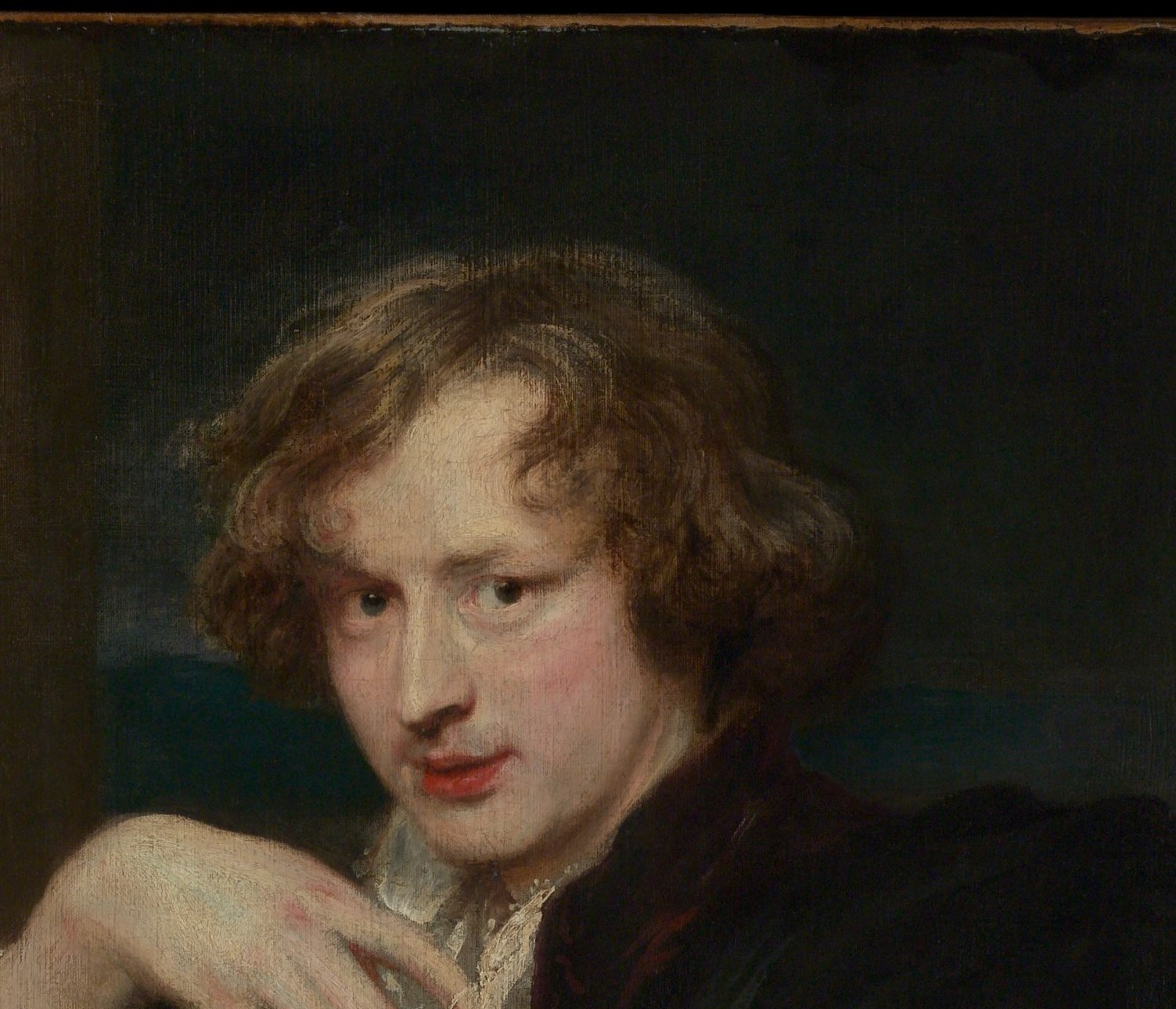
Anthony van Dyck was only 21 when he painted this self-portrait, around 1620. He was not yet the great court painter to Charles I, but he had already absorbed the lessons of his mentor, Peter Paul Rubens, and was actively courting aristocratic attention. The painting is held at the Metropolitan Museum of Art in New York.
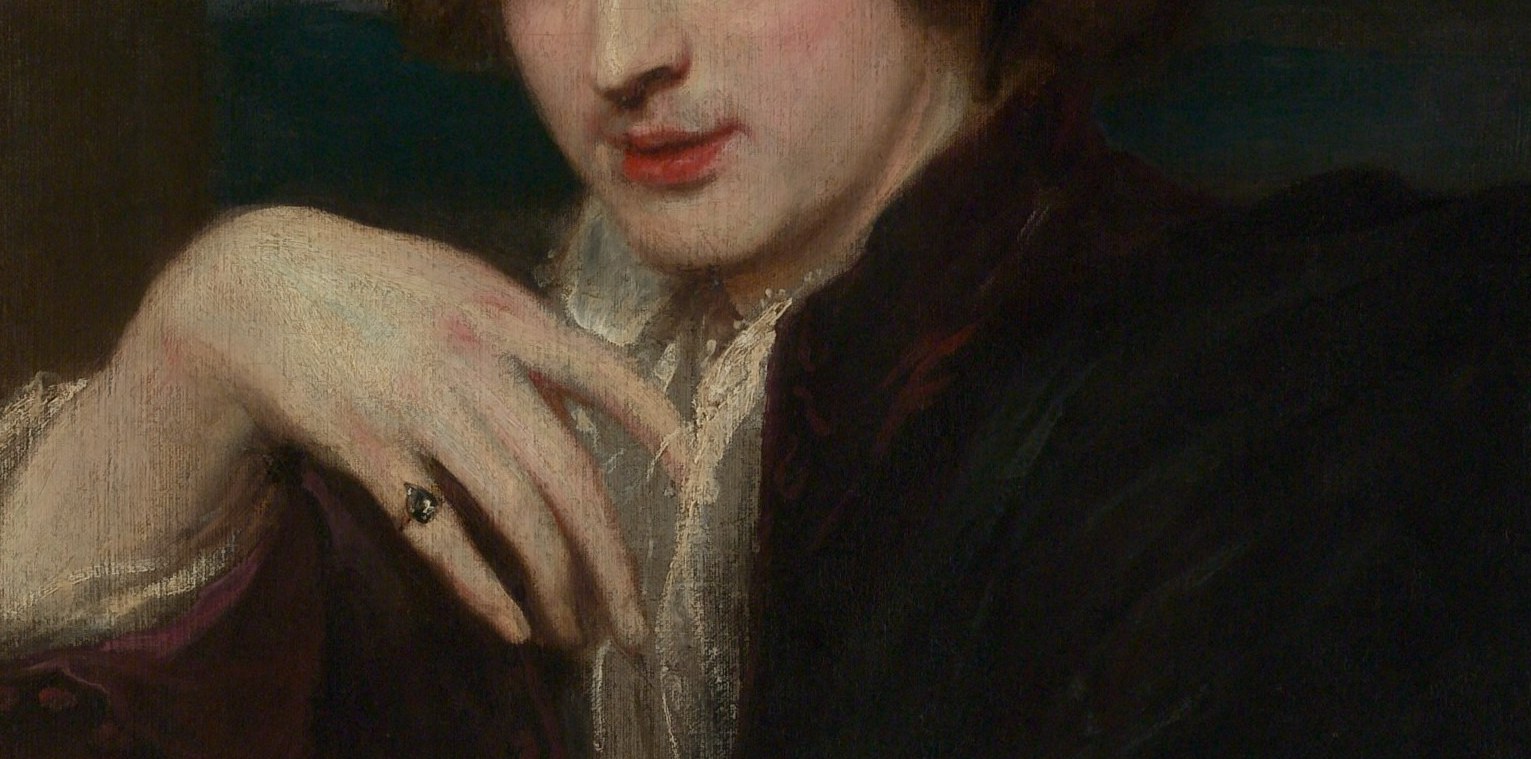
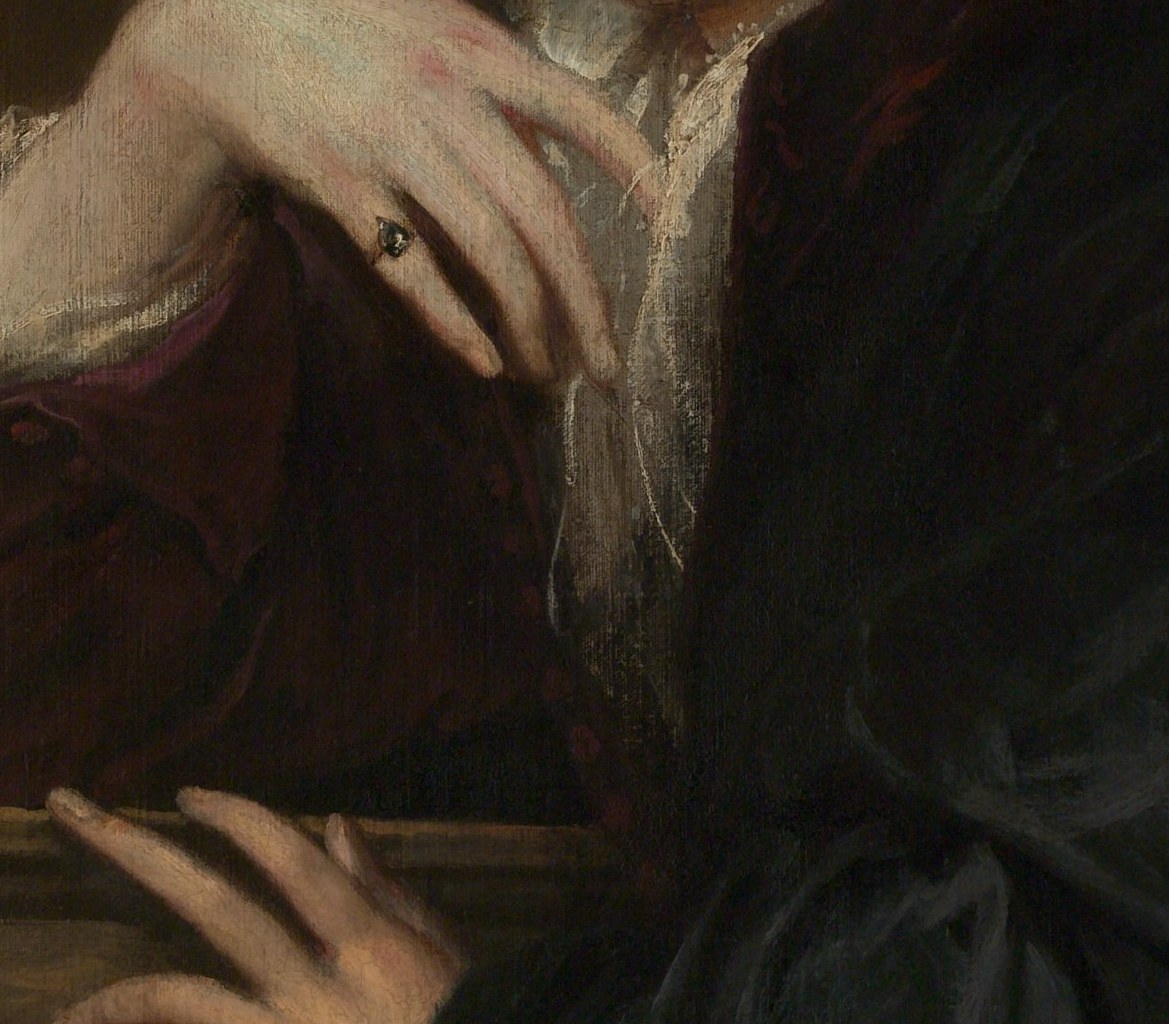
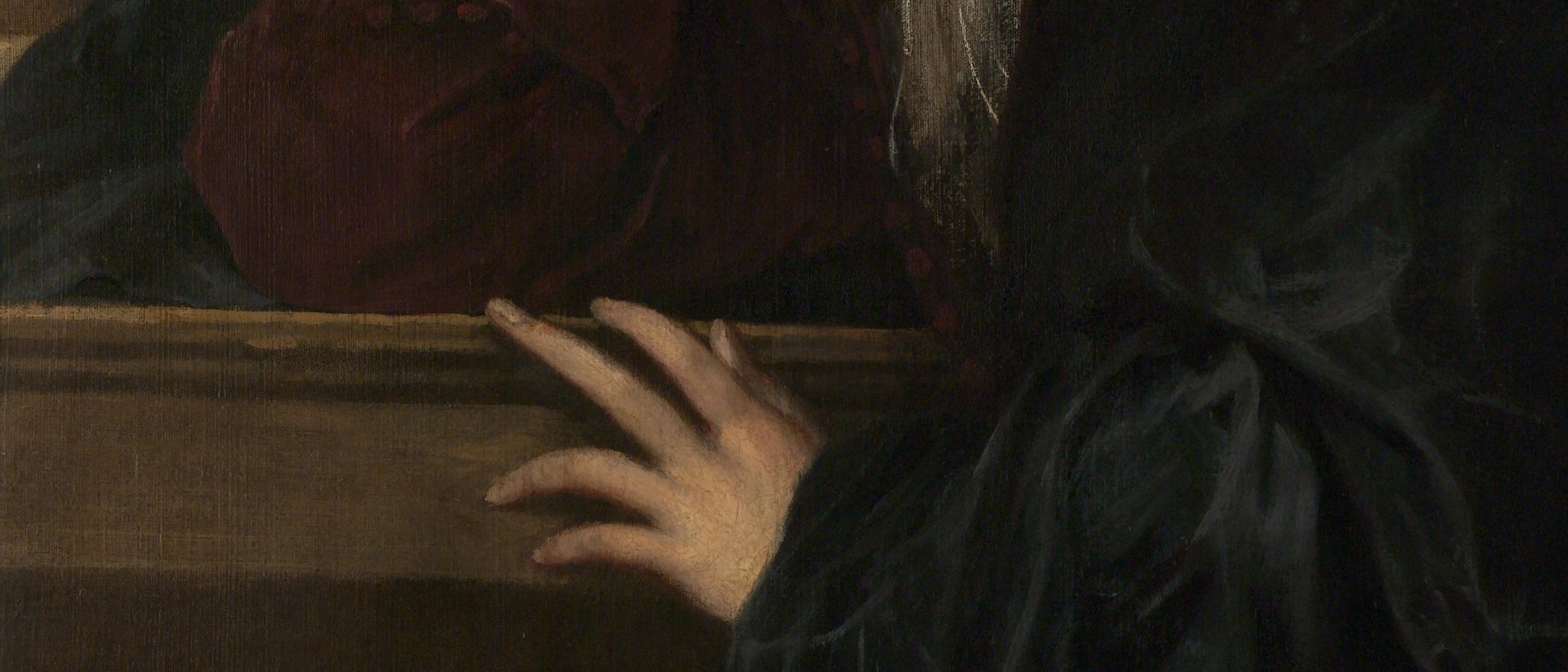
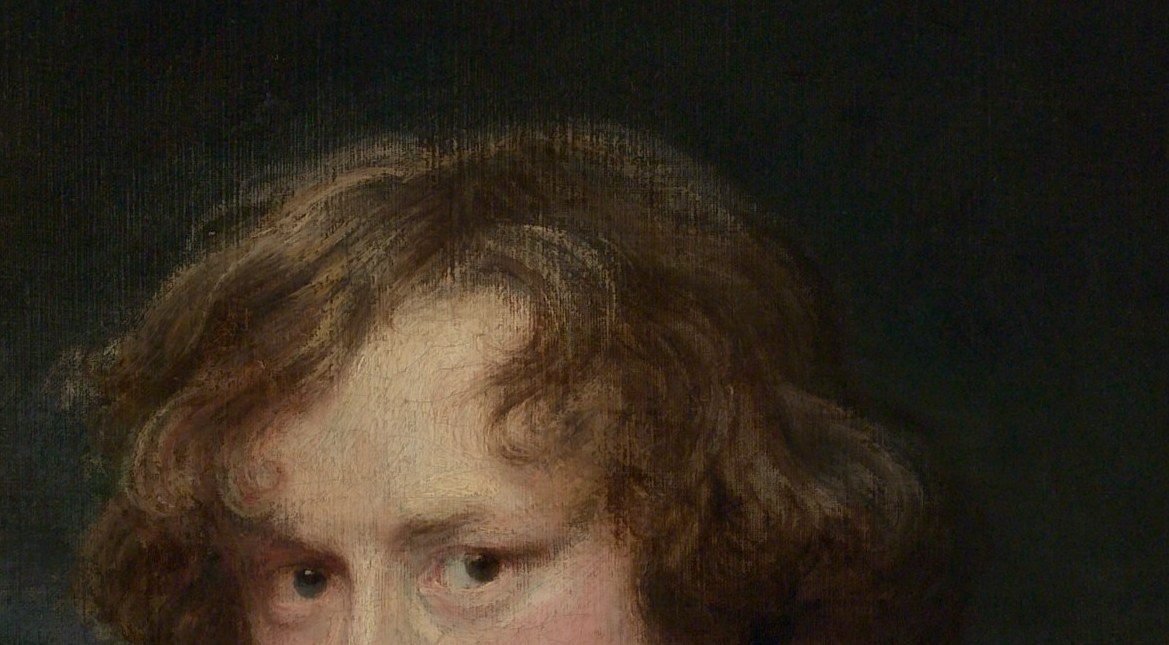
Look at the details. The falling lace collar is a deliberate signal of wealth and status, even as his tousled, unpowdered hair marks him as a creative intellect, not a stuffy courtier. His left hand drapes over a stone parapet, a compositional device borrowed directly from Titian, placing Van Dyck in a lineage of Venetian masters. The dark, voluminous cloak throws his illuminated face into sharp relief, a bravura display of technique.
Van Dyck had become a master in the Antwerp Guild of Saint Luke by 18 and was working in Rubens's studio. This portrait was painted as he outgrew Flanders. The unapologetic direct gaze is a statement of ambition: a contest of wills between the young painter and anyone who might doubt his worth. Within months of completing this work, he would travel to England for his first royal commissions.
The boy from Antwerp built himself on canvas before the courts of Europe ever called for him. What do you see in that steady, level gaze, confidence, or a calculated performance?
Details
Transcript
He was 21, and he wanted the world to know his name. Look at the collar. Pure silk lace. He dressed for the patrons he hadn't met yet. His left hand rests on a stone ledge. The pose is stolen from a Titian. A power move. And his eyes? They refuse to look away. Within a year, he was painting a king.