The Dormition of the Virgin by Carlo Saraceni
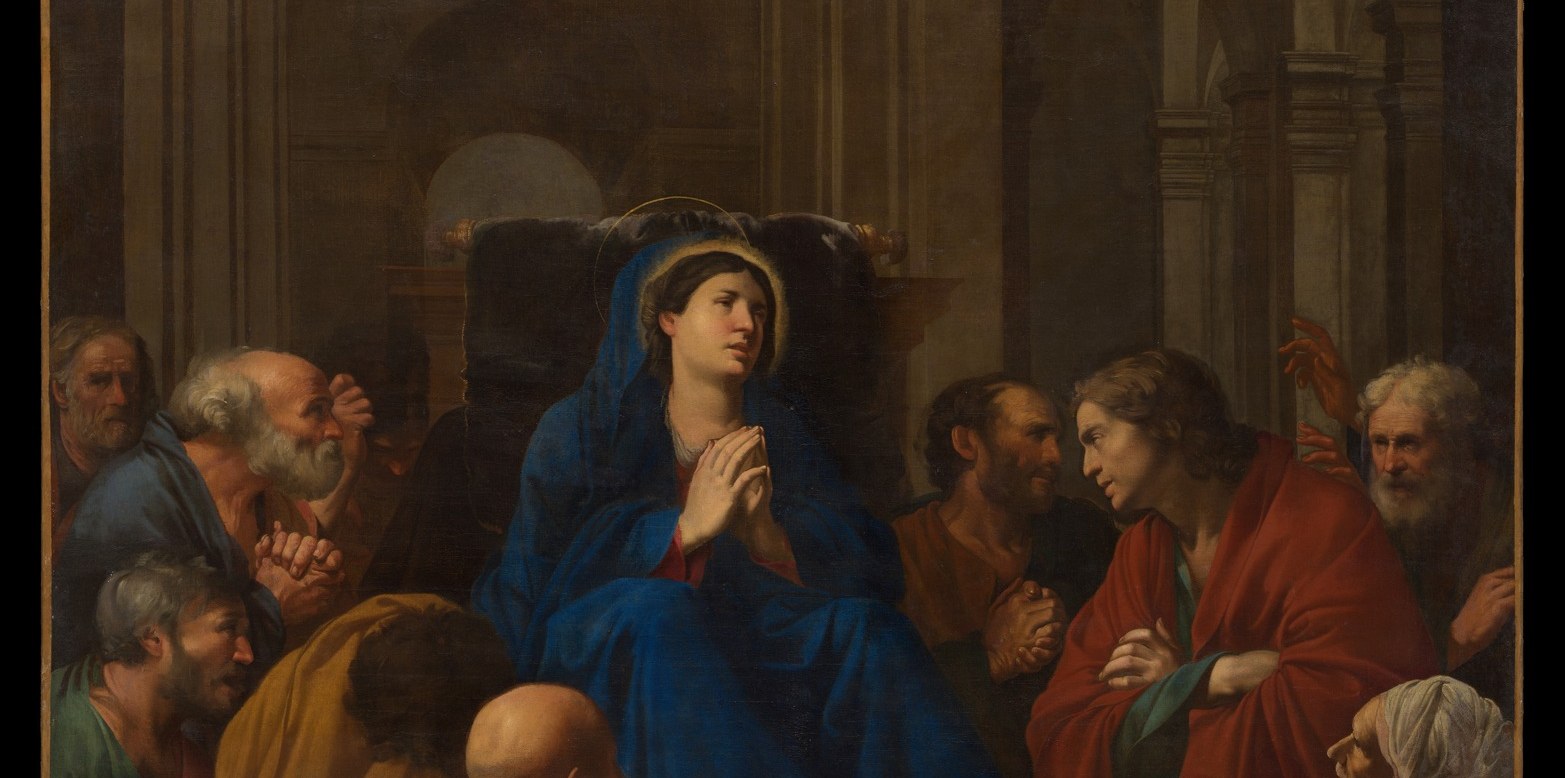
Saraceni's The Dormition of the Virgin, painted around 1612, now hangs in the Galleria Nazionale d'Arte Antica in Rome. It is a small but densely argued painting, a meditation on whether Mary died at all, fought entirely with paint.
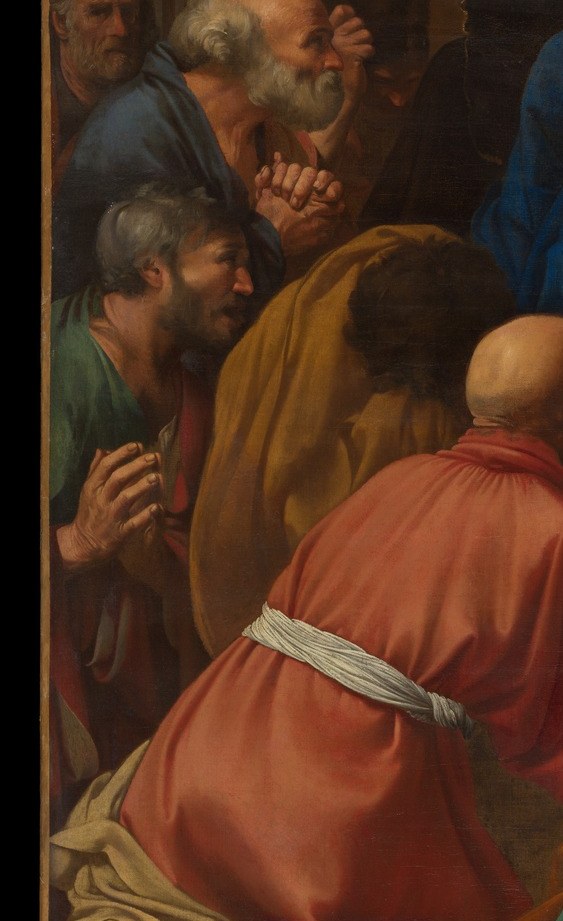
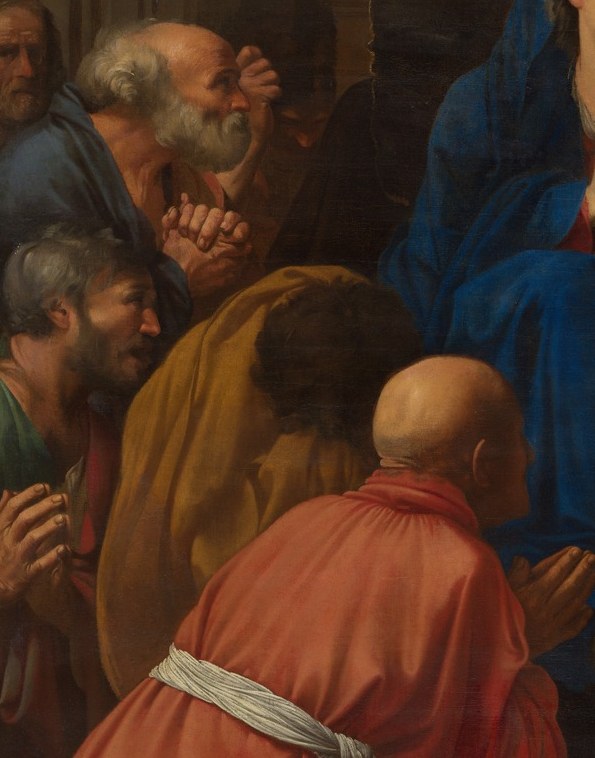
Scan the room for a candle, a window, any source for the warm light raking across the left figures. You will not find one. The light simply arrives. This is Saraceni working inside Caravaggio's shadow, Rome, early 1610s, when Caravaggio's followers were turning his harsh chiaroscuro into a theological language. Light without a source meant divine presence needed no earthly origin. It was a visual argument the Church could read.
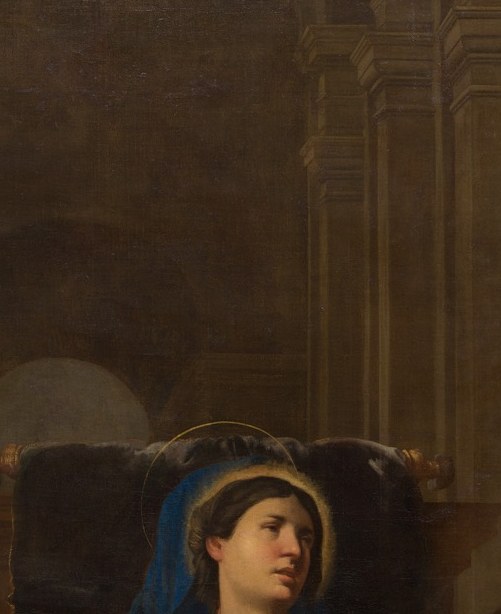
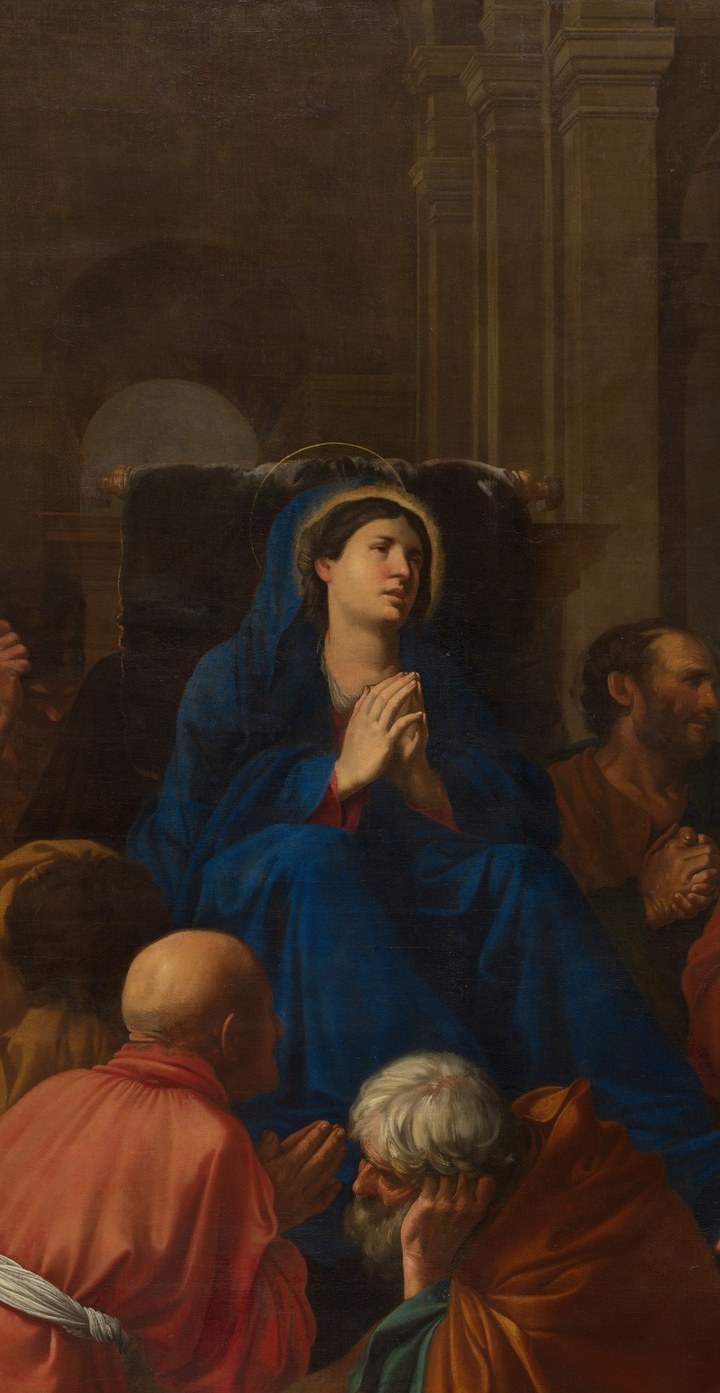
Then look at Mary's face. The tradition argued over whether she died before her Assumption or merely slept. Saraceni gives her the expression of peaceful sleep, no pain, no fear, and lets the light do the rest. The green palm frond at lower-left was brought by Gabriel as a sign of her coming death. The apostles grieve around her, but her own face disagrees with their grief.
That face is the whole painting. Everything else, the plunging apostles, the bowed head, the half-hidden witness in the upper-right shadows, sets the stage for one expression that decided a theological question.
Details
Transcript
Notice something strange about the light. It falls warmly across the left side of the scene. No candle. No window. No lamp anywhere in the room. The source is absent because the source is divine. Saraceni learned this from Caravaggio: light is theology. Look at Mary's face. Not death, sleep. The entire Dormition argument, made in a single expression.