Landscape with Ducks by Charles François Daubigny
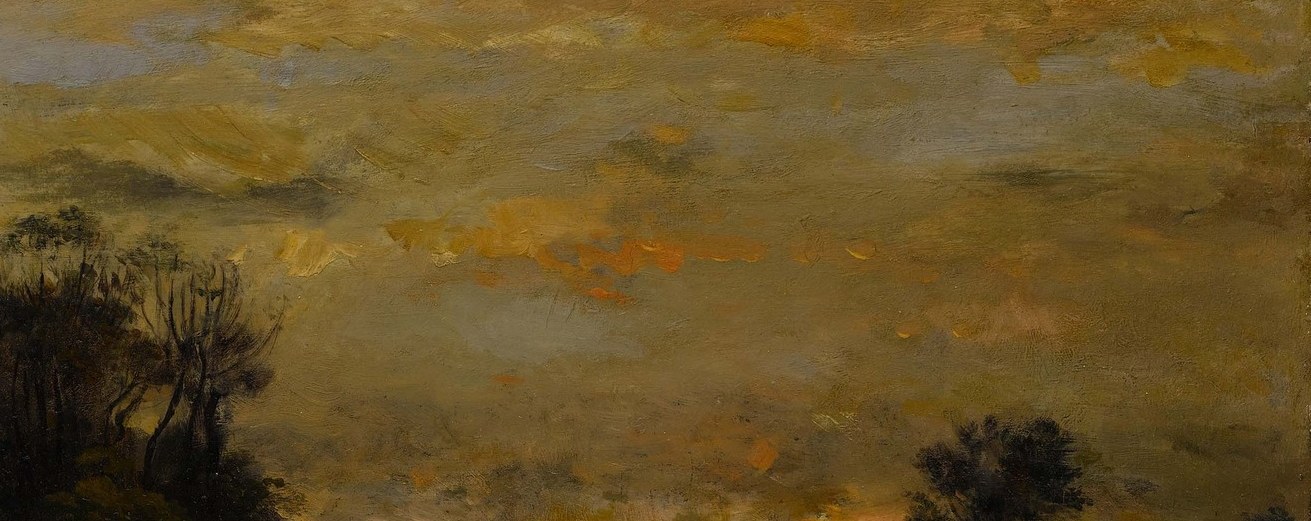
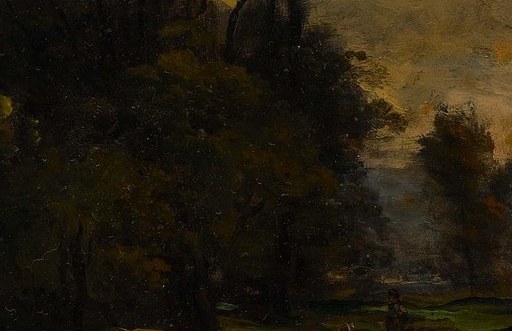
Charles-François Daubigny's 'Landscape with Ducks,' painted in oil in 1872, is a masterclass in rendering light on water. Part of The Metropolitan Museum of Art's collection, this painting showcases how an artist can capture the fleeting glow of a sunset.
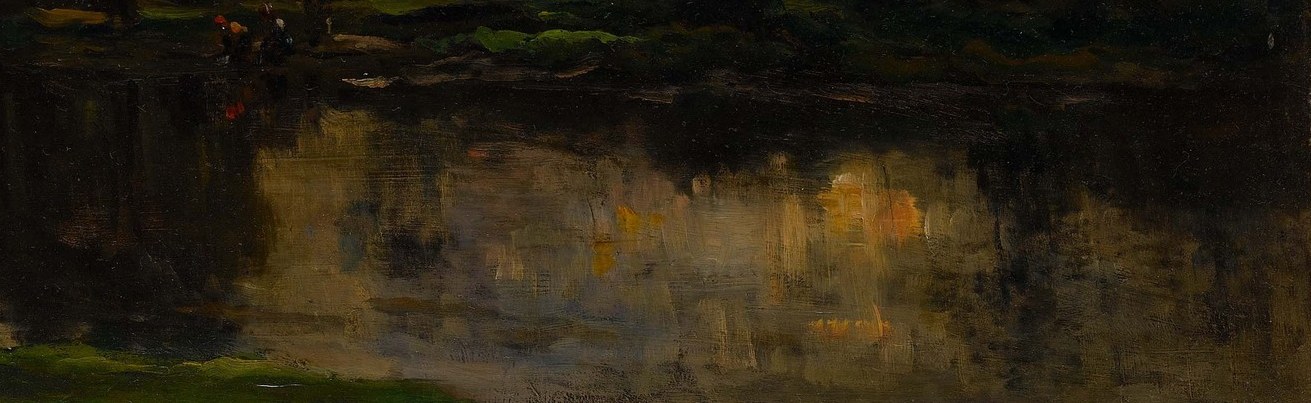
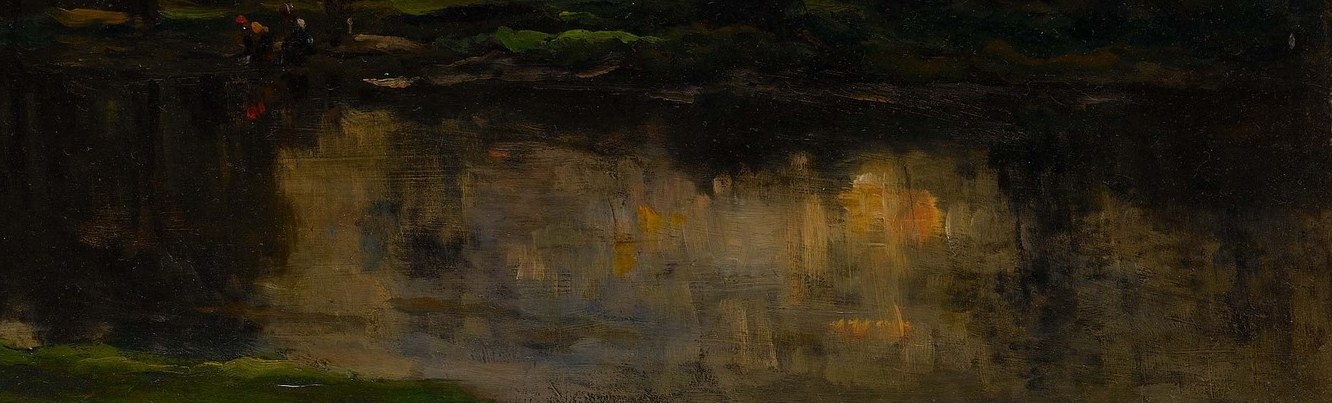
Observe how Daubigny doesn't just reflect the sky, but the very essence of light itself on the water's surface. His use of loose, rapid brushstrokes makes the oil paint appear wet and shimmering, capturing the ambient glow in a way that feels almost photographic.
Daubigny was a key figure of the Barbizon school and a crucial transitional artist, whose emphasis on transient light effects and freer application of paint significantly influenced the younger painters who would fully embrace the Impressionist movement. This work perfectly illustrates why he is considered an important precursor to Impressionism.
What details do you notice in the reflections?
Details
Transcript
This painter was a master of light on water. He captures the final glow of a sunset sky. Notice how the water mirrors the light, not just the forms. Loose, rapid brushstrokes create this shimmering surface. It’s oil paint made to look wet, capturing ambient glow. This technique influenced the Impressionists who followed him.