Mary Magdalene by Lawrence Alma-Tadema
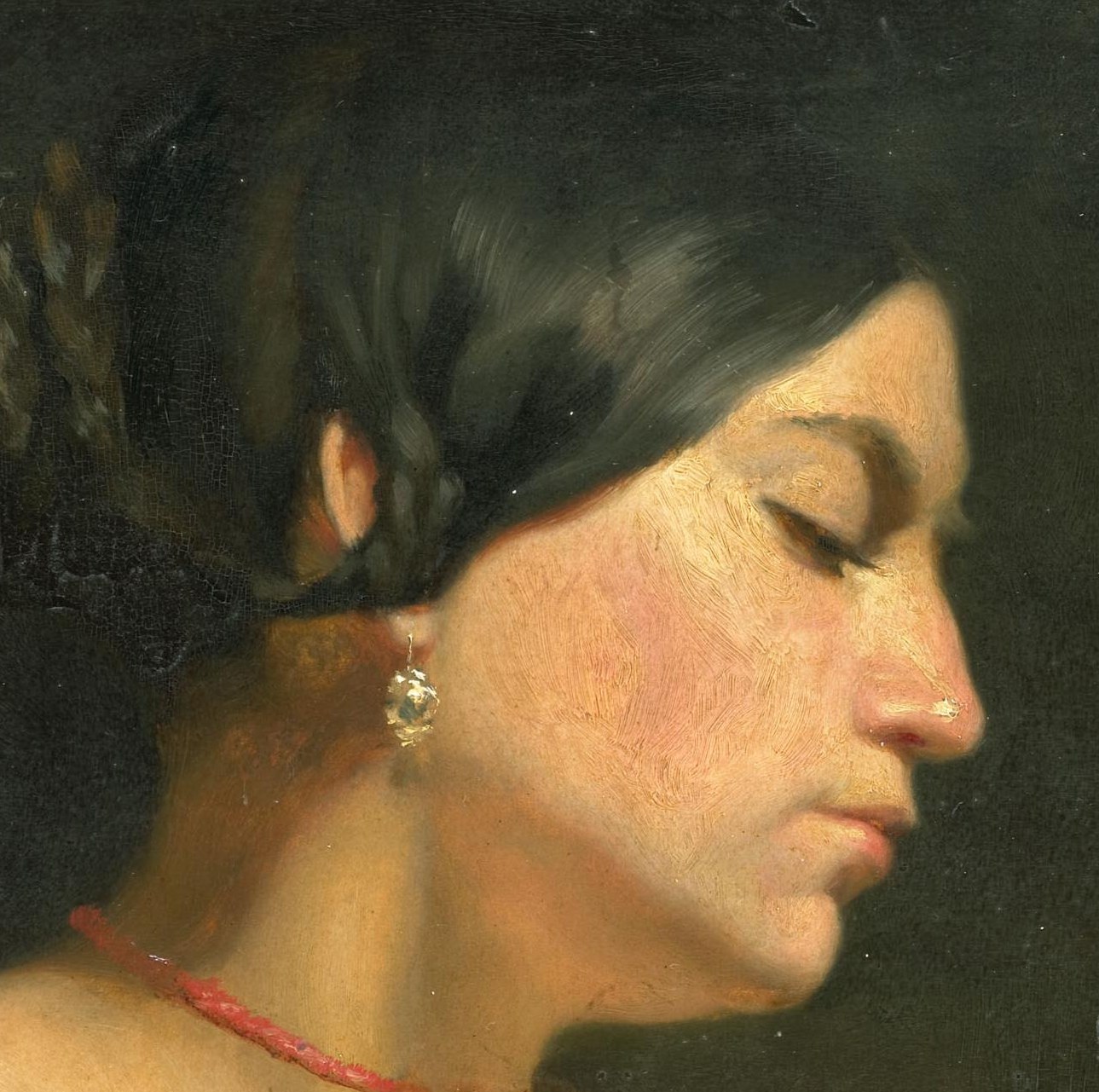
Painted in 1854 by a 24-year-old Lawrence Alma-Tadema, *Mary Magdalene* showcases the artist's early mastery of light and texture. This oil painting, now at the Rijksmuseum, highlights his emerging talent for rendering realistic details.
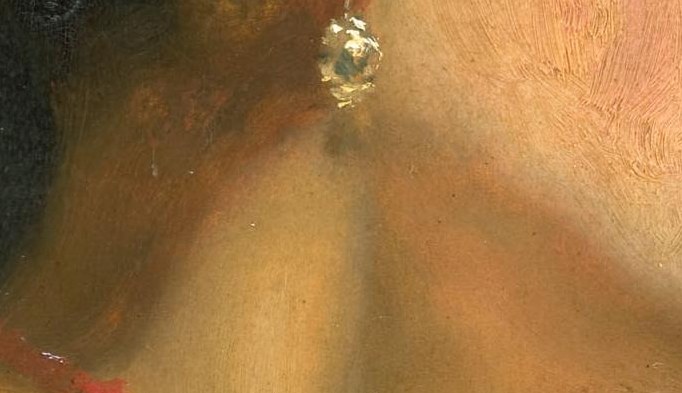
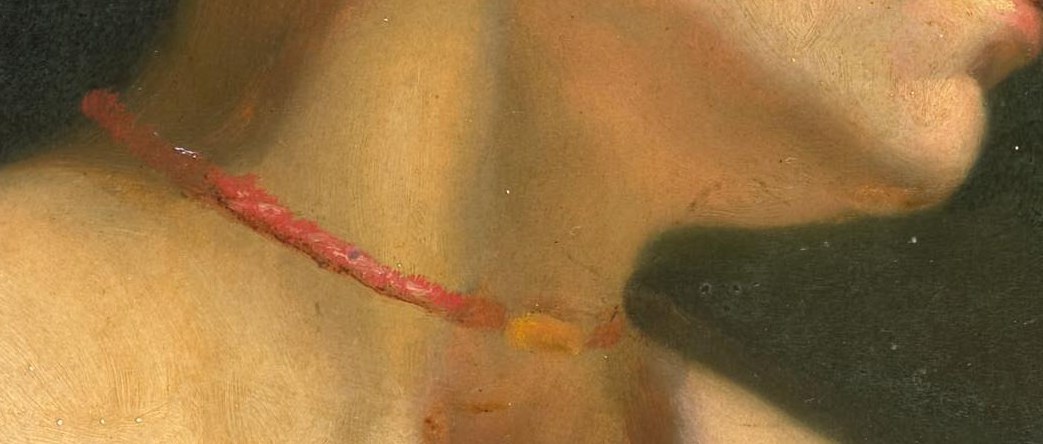
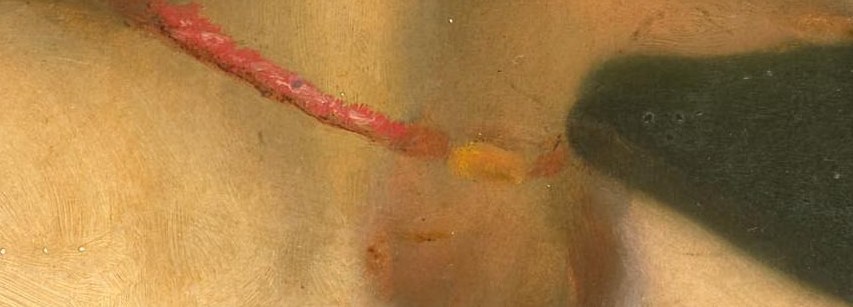
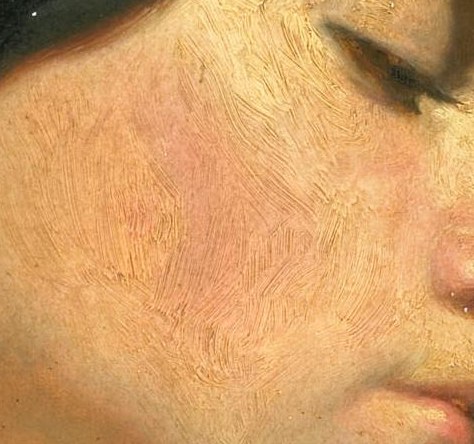
Alma-Tadema's focus on her face and neck draws the eye to his skillful portrayal of light. Notice the subtle flush on her skin, the delicate parting of her lips, and how the red coral necklace seems to emit its own faint glow, casting a reflected light beneath her chin. The pearl earring, too, shines with a soft luster, a testament to his precision.
This work predates Alma-Tadema's move to London and his later fame for classical scenes. It's a key example of his formative period, where he honed techniques like chiaroscuro to create dramatic contrasts between light and shadow, giving the figure a prominent presence.
It’s remarkable to see such a sophisticated handling of light and reflection from an artist so early in his career, hinting at the grandeur to come.
Details
Transcript
This painter was just 24 when he painted this. He captures the subtle flush of her skin. And the soft parting of her lips. Notice how the coral beads cast a red glow. See the faint reflected light under her chin? His use of light makes the pearl earring glow. A complex trick for such a young painter.