Portrait of a Gentleman by Bartolomeo Veneto
Bartolomeo Veneto's 'Portrait of a Gentleman,' painted around 1520, has a surprisingly complex history, not just due to its enigmatic sitter, but because of its dramatic increase in value.
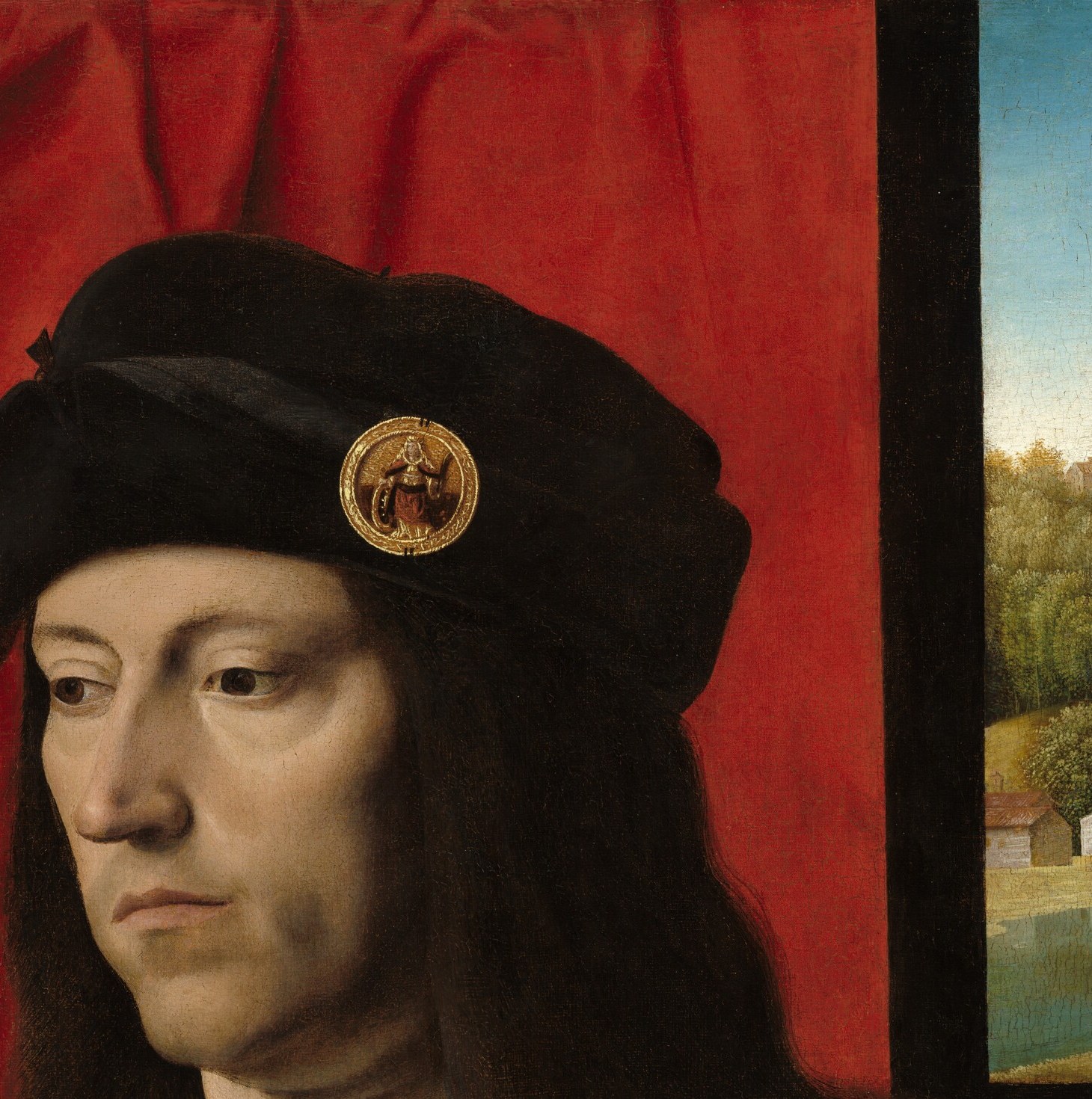
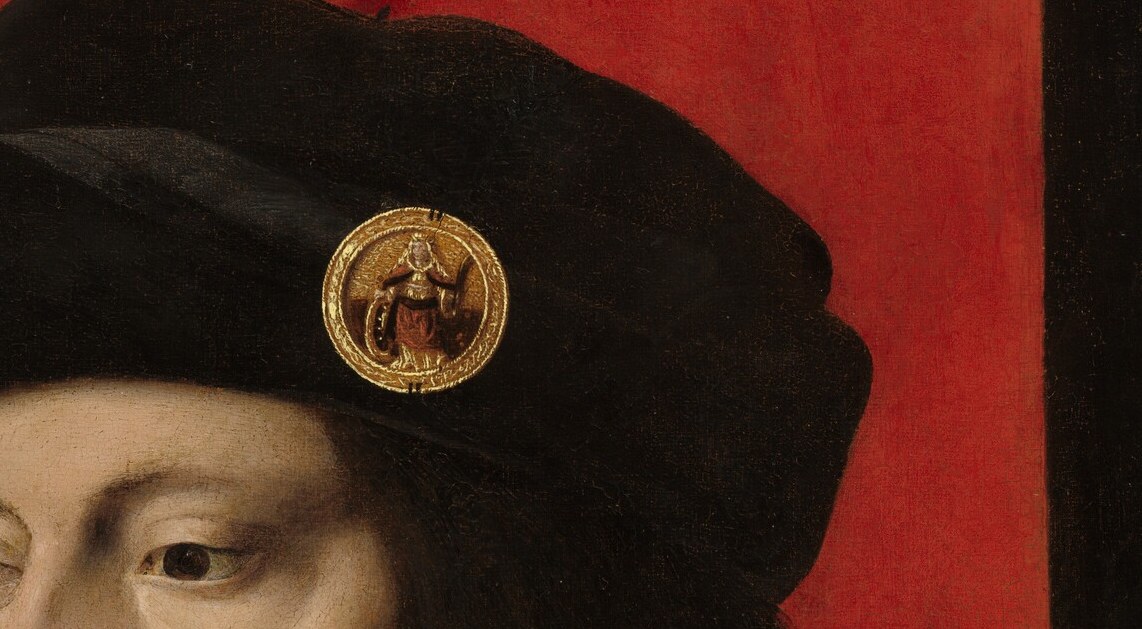
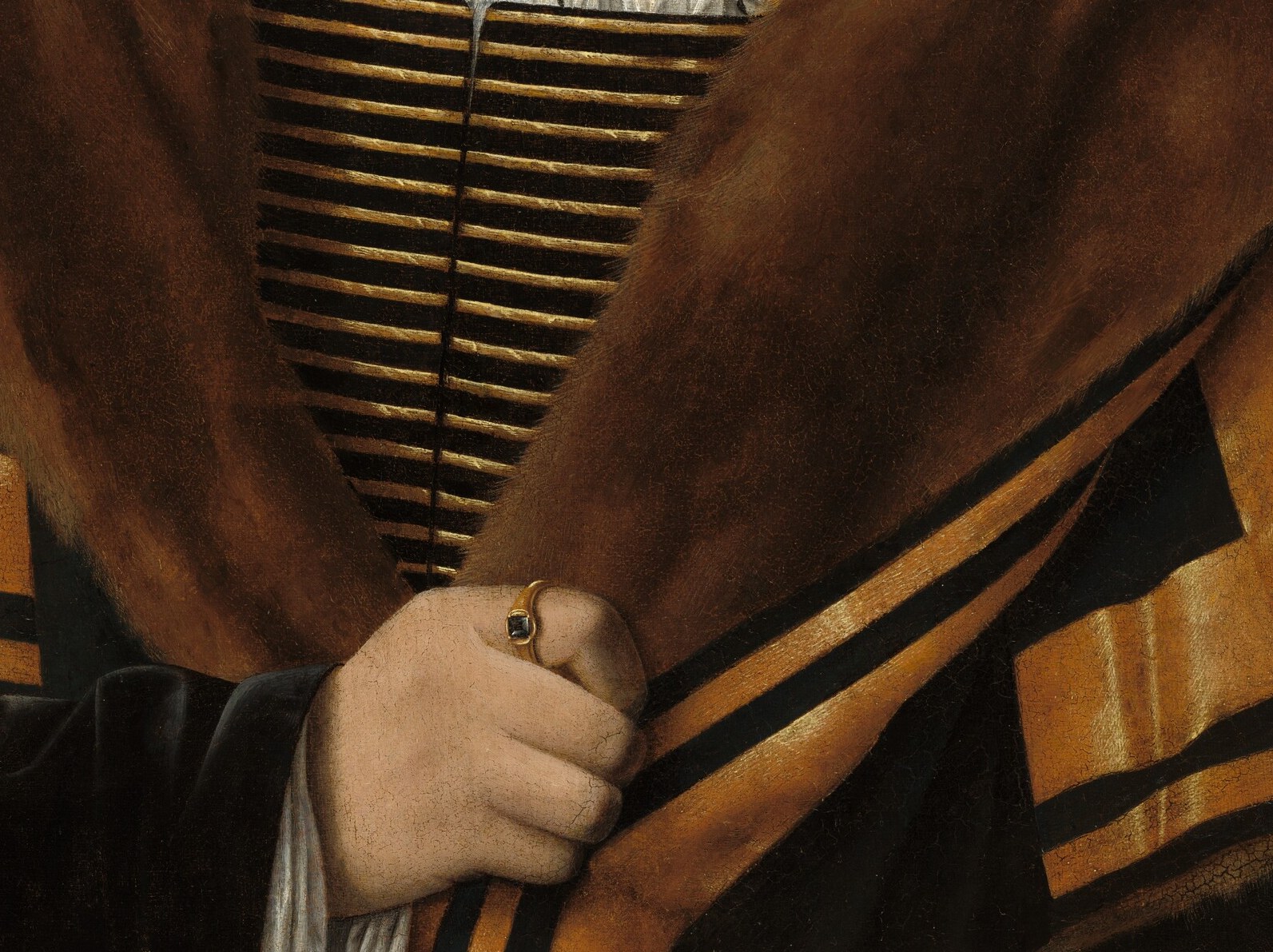
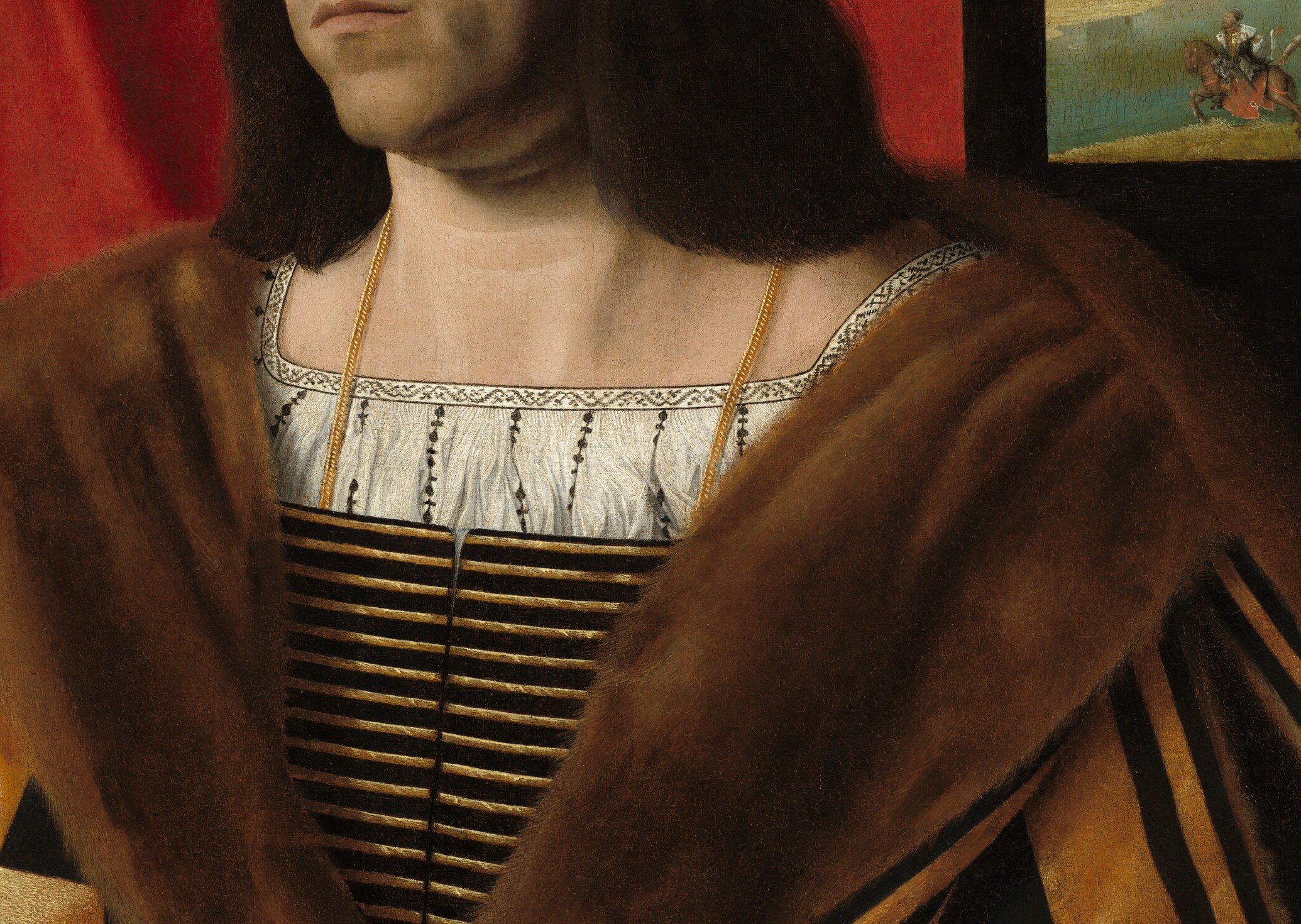
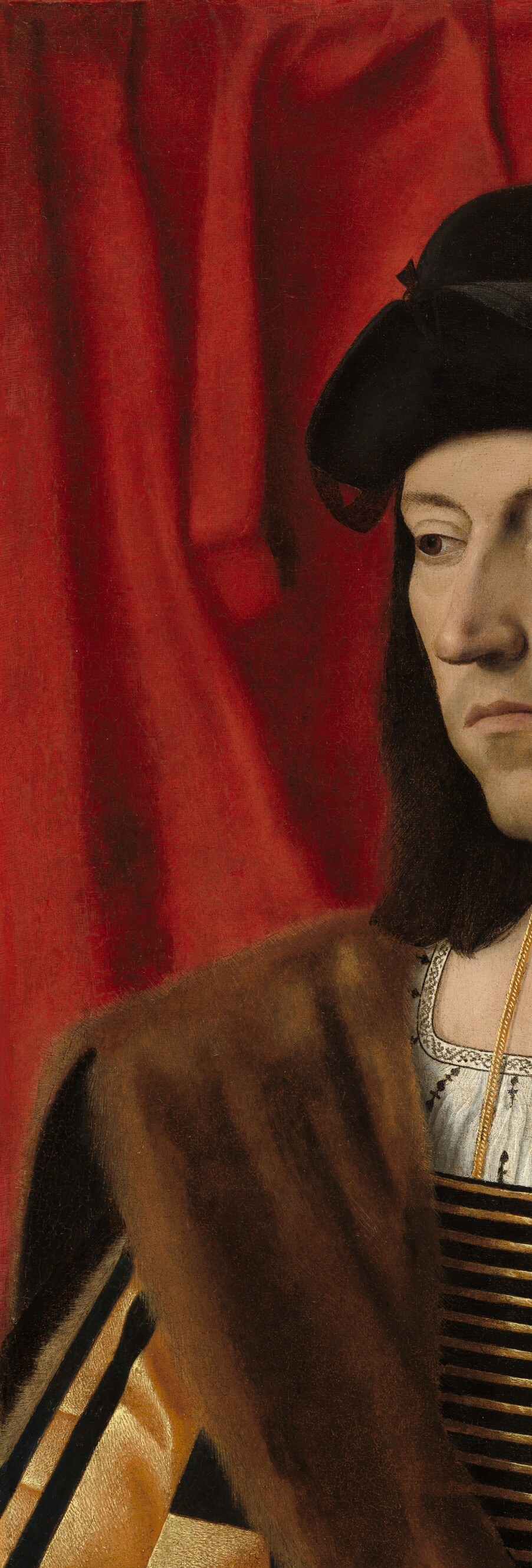
Originally on panel and later transferred to canvas, this work exemplifies Veneto's skill in capturing individual likenesses. Notice the detailed black velvet beret and the fine pleating of his white collar, typical of the Mannerist style of the early 16th century.
By 1910, Veneto's rediscovery as an important painter made his works highly sought after. This led to the appearance of a forgery, almost identical to the original, but with a false signature. This forgery sparked decades of debate among art historians regarding the painting's true authenticity and provenance.
It's a testament to the enduring power of art, and the lengths people will go for it. What details do you think were hardest to forge?
Details
Transcript
This gentleman's identity remains a mystery. Yet the painting's value exploded after his painter was rediscovered. By 1910, the work was deemed so rare that a forgery appeared. It was nearly indistinguishable from the original. But the forger added a small, invented detail: a signature. It led art historians to debate its authenticity for decades.