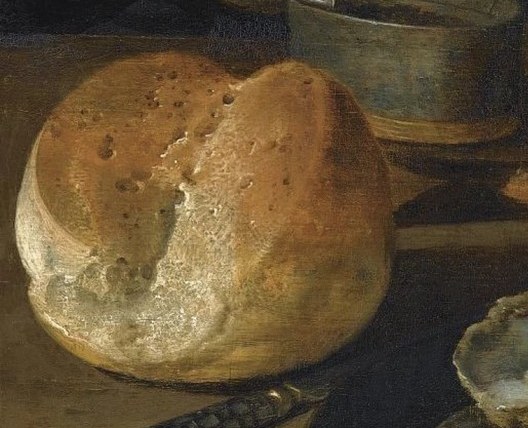
Still life with a brazier, a wine-glass, herring, oysters, bread, smoking paraphenalia, and a pewter plate by Pieter Claesz
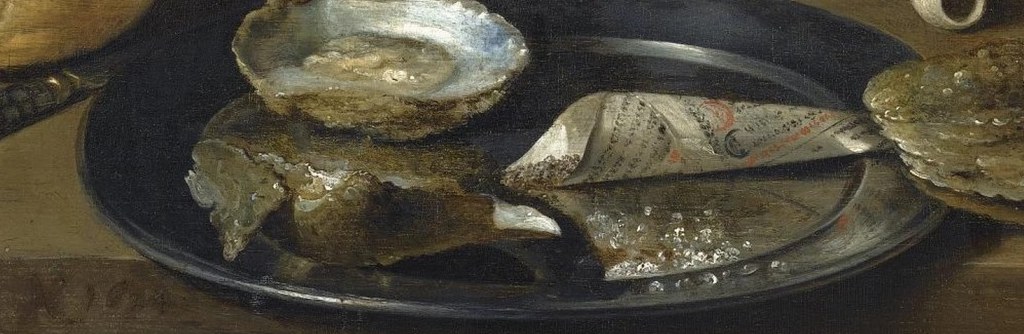
Pieter Claesz, a master of the Dutch Golden Age, made the everyday extraordinary. His "Still life with a brazier, a wine-glass, herring, oysters, bread, smoking paraphenalia, and a pewter plate" (1624) at the Rijksmuseum is a testament to his technical brilliance.
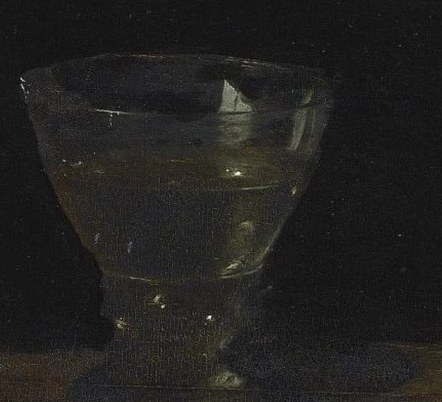
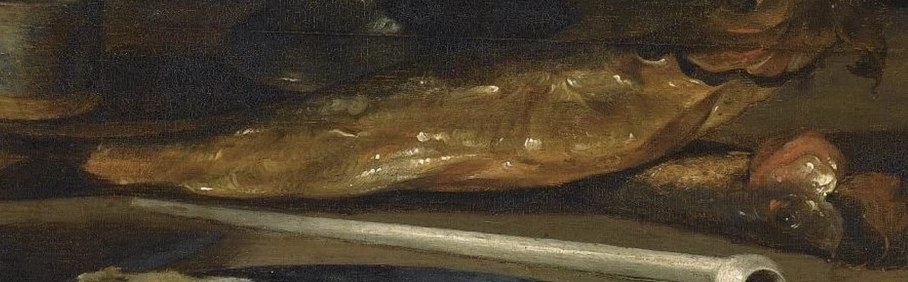
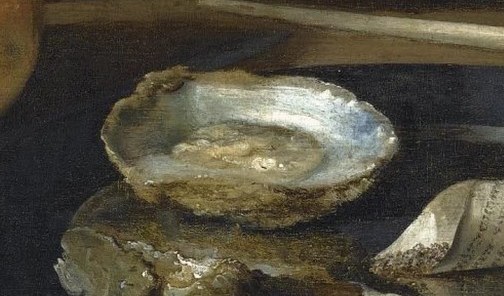
Observe how he captures the fleeting play of light. The transparency of the wine glass, the moist sheen on the herring, and the subtle iridescence of the oyster shells all demonstrate an incredible skill in rendering different textures and reflections in oil paint.
Claesz used chiaroscuro, a strong contrast between light and shadow, to give these common objects a tangible, almost three-dimensional presence. Each element is meticulously detailed, inviting the viewer to appreciate the quiet beauty in domestic scenes.
Which of these perfectly rendered textures catches your eye first?
Details
Transcript
This painter was a master of everyday objects. Look closely at the tall wine glass. The light seems to pass right through it. He captures the glint of light on the herring's scales. And the delicate shimmer inside these oyster shells. Every surface here is a challenge, met.