Low Tide at Pourville, near Dieppe, 1882 by Claude Monet
Claude Monet's "Low Tide at Pourville, near Dieppe" from 1882, held at The Cleveland Museum of Art, captures a tranquil coastal scene that exemplifies the core of Impressionism.
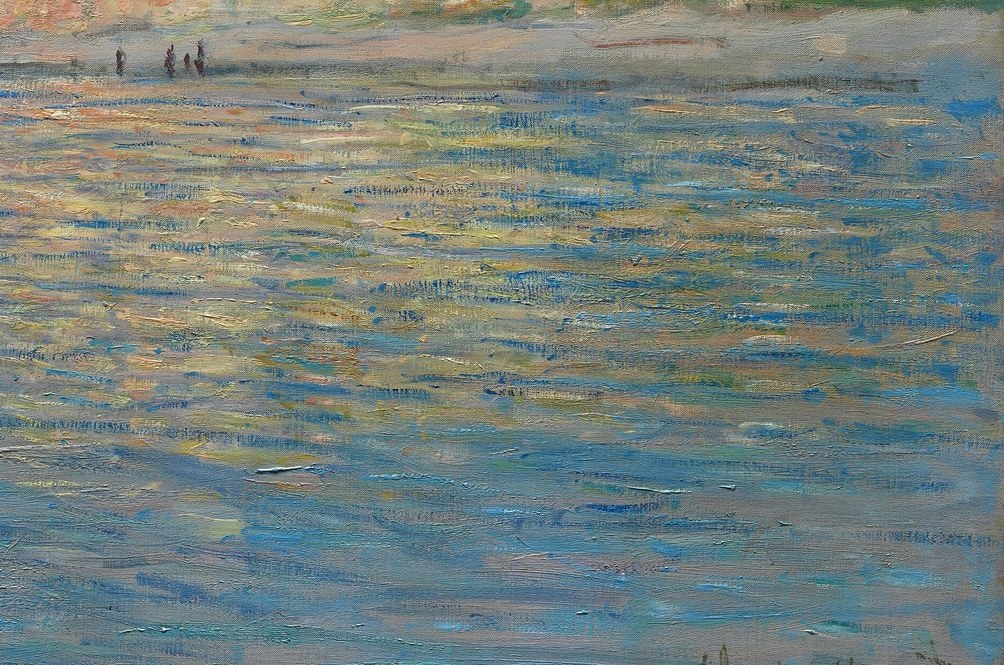
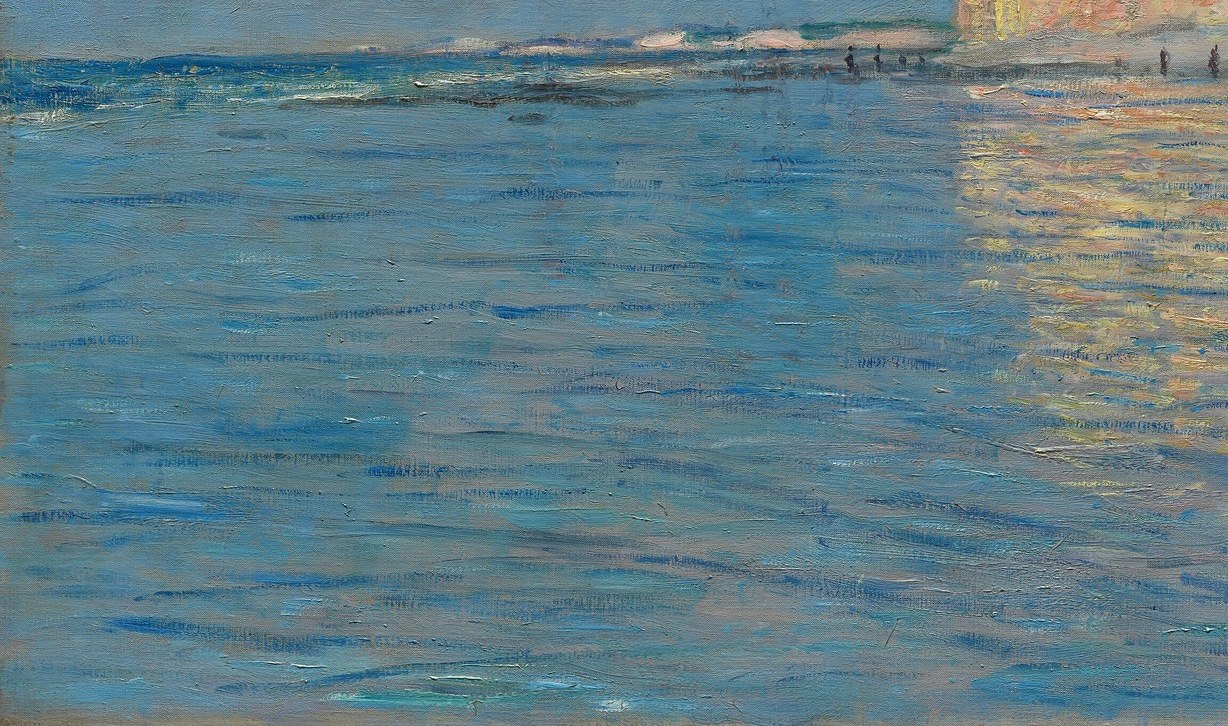
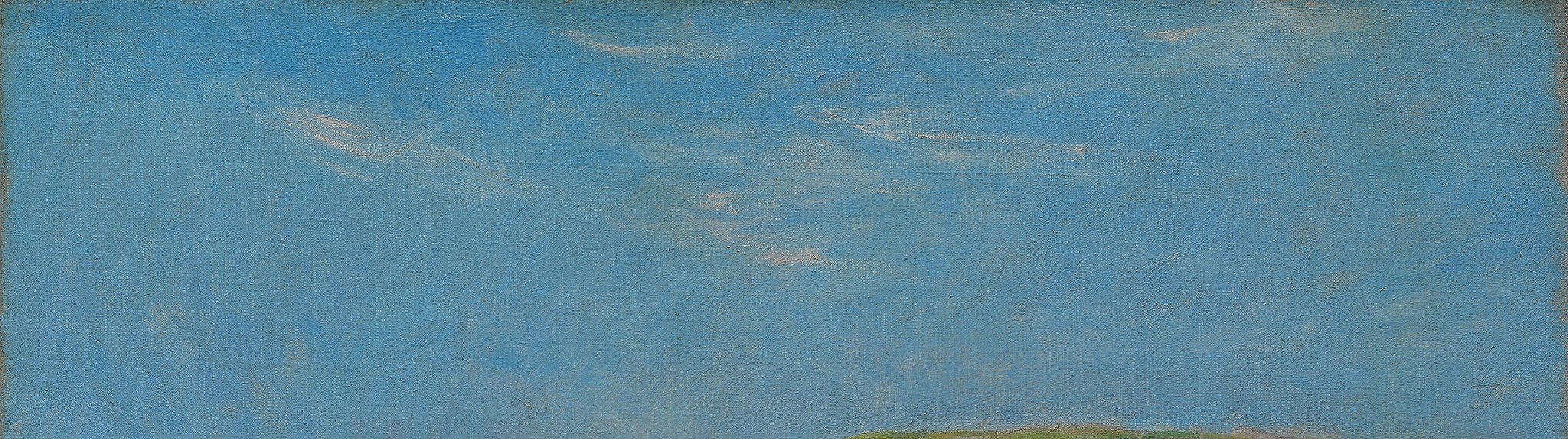
Notice how the artist uses loose, expressive brushwork to render the shimmering water and the soft, atmospheric sky. The tiny, indistinct figures on the beach add a sense of scale and human connection to this vast, quiet landscape.
Monet frequently visited Pourville-sur-Mer, a location on the Normandy coast, to observe and paint the changing effects of light and atmosphere. His dedication to capturing these fleeting moments directly from nature was foundational to the Impressionist movement.
This painting invites us to pause and truly see the ephemeral beauty of a specific moment in time. What do you notice first?
Details
Transcript
Monet painted this calm coastal scene in 1882. He was captivated by the changing light on the water. The low tide reveals a vast, quiet space. Look closely at the distant figures on the sand. They are just faint suggestions of human presence. This painting captures a fleeting moment, a perception of nature. It’s how Impressionism began, a way of seeing the world.