The Porta Portello, Padua by Canaletto
Canaletto's "The Porta Portello, Padua," painted around 1741/1742 and now in a private collection, offers more than just a beautiful cityscape; it's a testament to the strategic importance of this Venetian-controlled city.
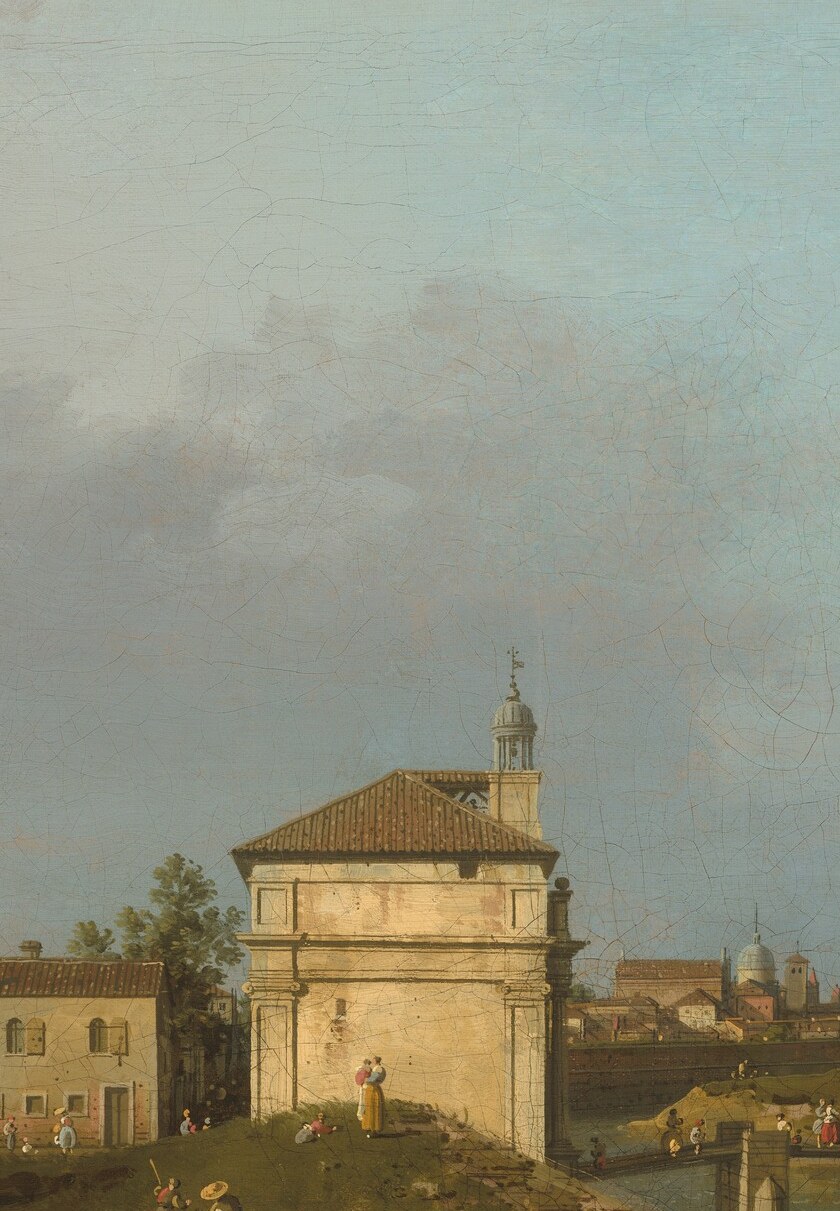
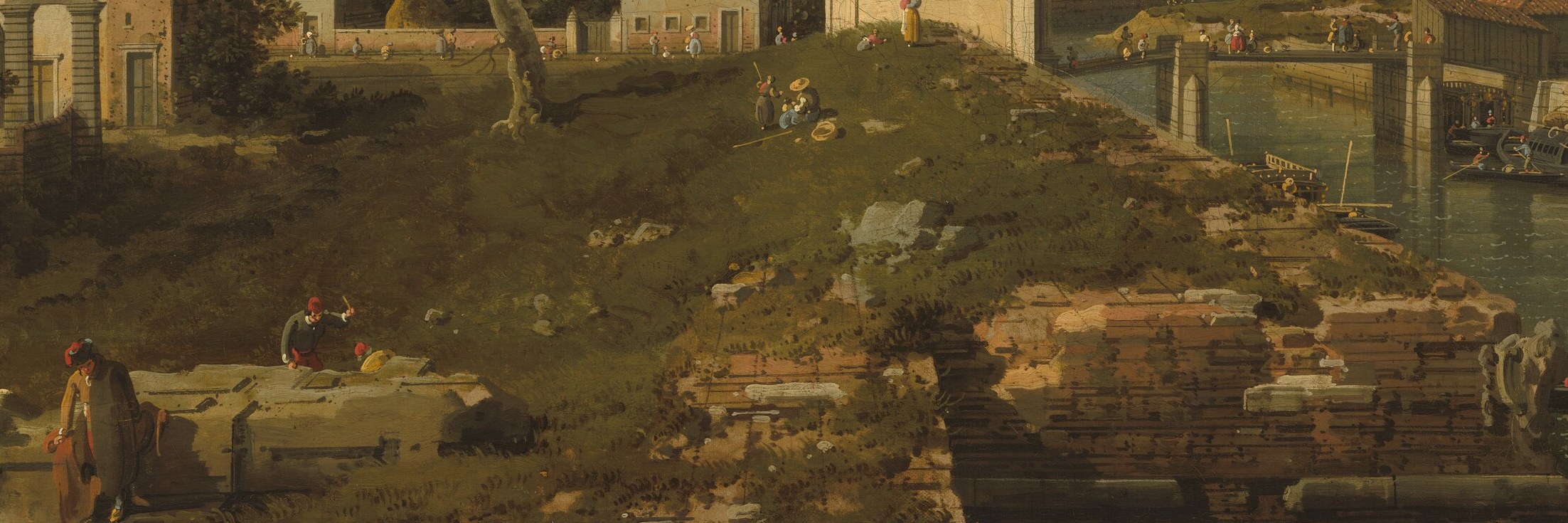
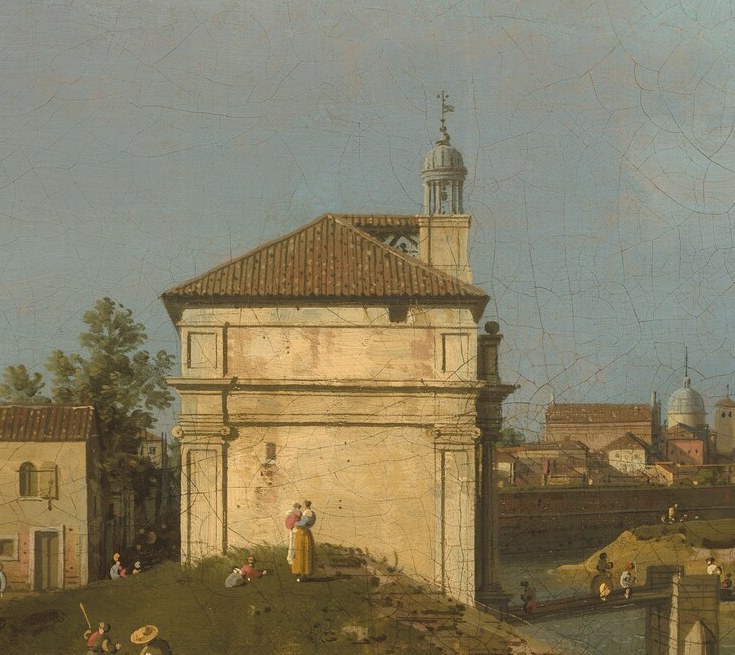
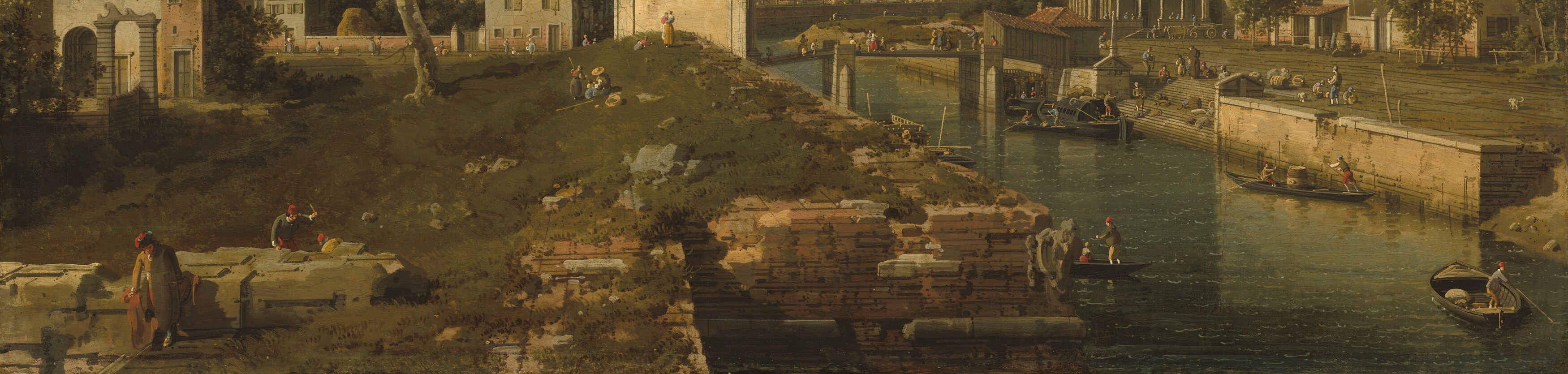
Notice how the artist meticulously renders the gate tower and its reflections in the Naviglio canal. The details, from the active crenellations to the functional archway, indicate that this was a bustling, vital piece of infrastructure, not a romantic ruin. The presence of working boats further emphasizes its role in commerce.
Giovanni Antonio Canal, known as Canaletto, was a master of the *vedute* genre, creating highly detailed urban scenes. This painting showcases his ability to combine topographical accuracy with an artistic eye, capturing the daily life and economic significance of 18th-century Padua under the Republic of Venice. It highlights Venice's active investment in and administration of its *Terraferma* territories.
The painting invites us to consider how cities evolve, and how their structures can tell stories of power and prosperity. What other details can you spot that speak to its active use?
Details
Transcript
This painter shows a busy Padua gate, a strategic canal entry. Venice controlled Padua, making the Porta Portello vital for trade. Look closely at the water's surface, reflecting the gate tower. These are not picturesque ruins, but functioning city infrastructure. The crenellations and masonry were still active in 1742. The scene shows Venice's investment in its mainland territories.