Luncheon (Annette and Her Grandmother) by Édouard Vuillard
Édouard Vuillard's "Luncheon (Annette and Her Grandmother)" (1900), held at The Cleveland Museum of Art, is a stunning example of how a painter can transform everyday scenes into something extraordinary through texture and pattern.
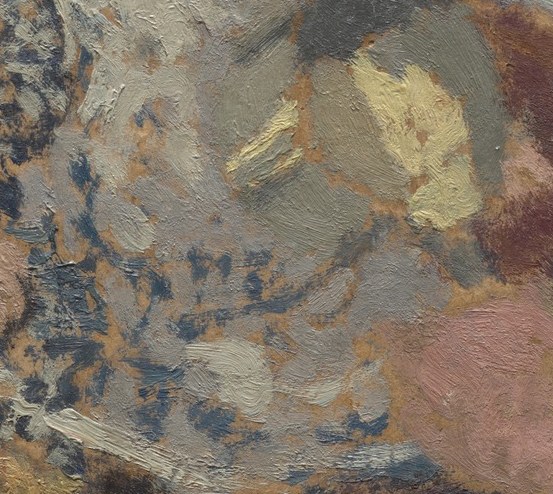
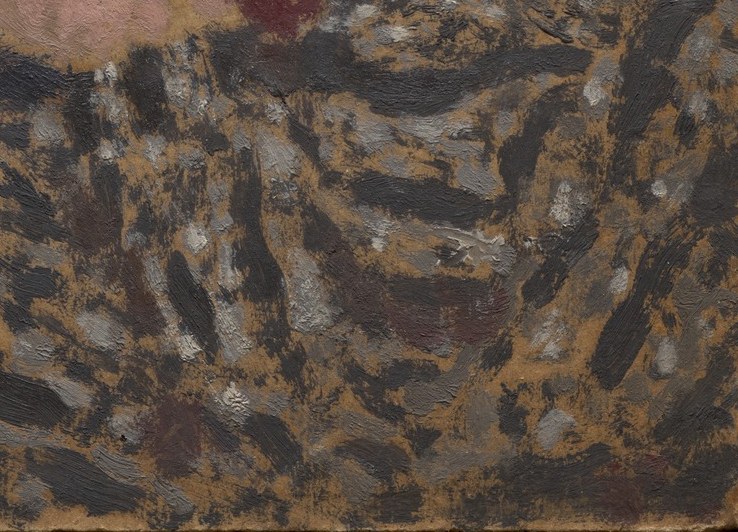
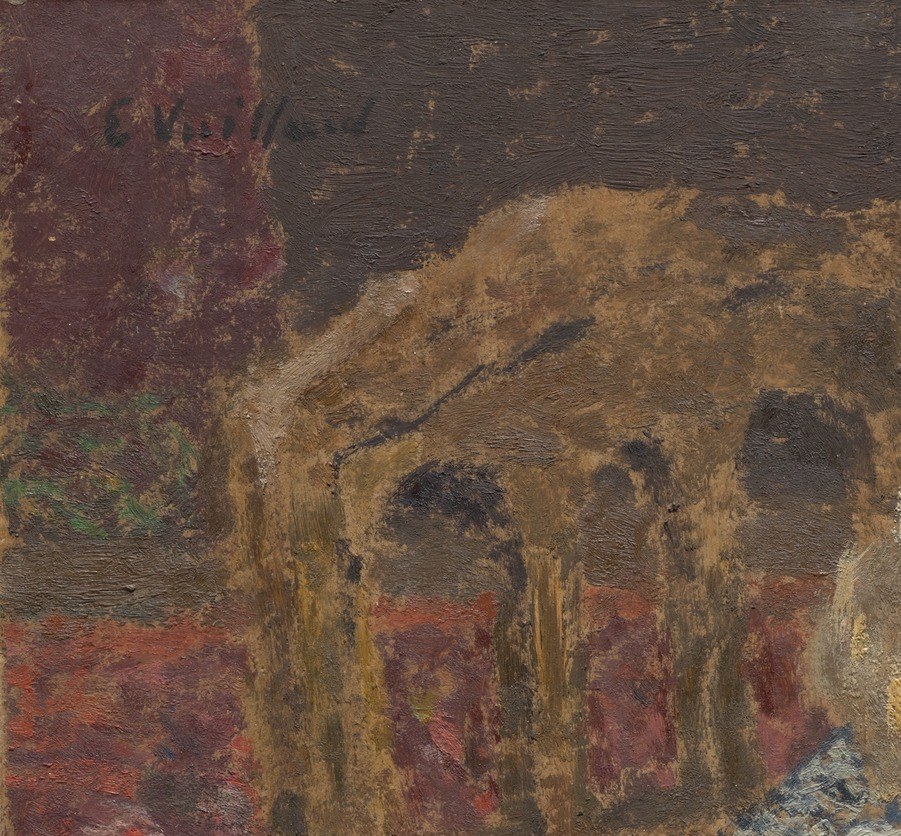
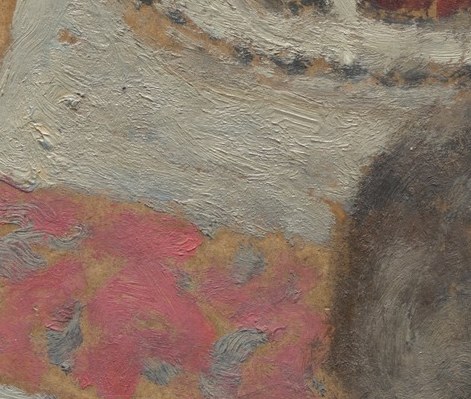
Notice how Vuillard uses thick, uneven brushstrokes, known as impasto, to create a deeply textured surface. This technique makes colors appear in bold, distinct patches rather than smooth transitions, allowing elements like the patterned tablecloth and the wall to interact in unexpected ways. The girl's hand, for instance, seems to melt into the fabric beneath it.
Vuillard was part of Les Nabis, an avant-garde group active in the late 19th century who explored how art could integrate into daily life. He frequently focused on intimate, domestic scenes, which he called "intimacies," often blurring background details to emphasize the figures and their surroundings. His approach was heavily influenced by Japanese prints, which favored flattened planes of color.
This painting invites us to look closely at the familiar, finding beauty and complexity in the quiet moments of domestic life. What other details can you spot?
Details
Transcript
This painter was a master of patterns and textures. He layered thick paint, making colors appear in bold patches. See how the patterned fabric almost dissolves into the wall? His brushstrokes make flat surfaces feel deeply textured. He called these domestic scenes 'intimacies'. The girl's soft hand blends into the complex pattern.