On the River by Henri Edmond Cross
Henri Edmond Cross's "On the River," painted in 1900, captures a moment of tranquil intimacy by the water. This Neo-Impressionist masterpiece, held at The Cleveland Museum of Art, invites viewers into a serene evening scene.
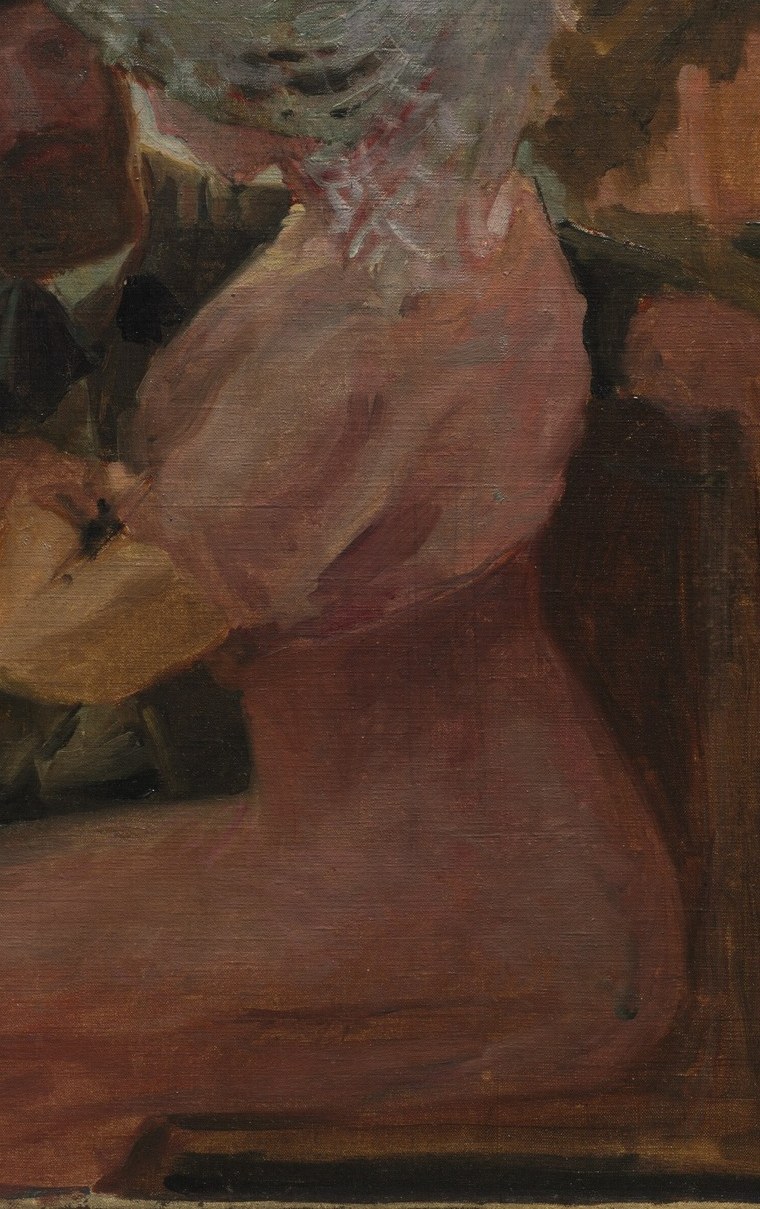
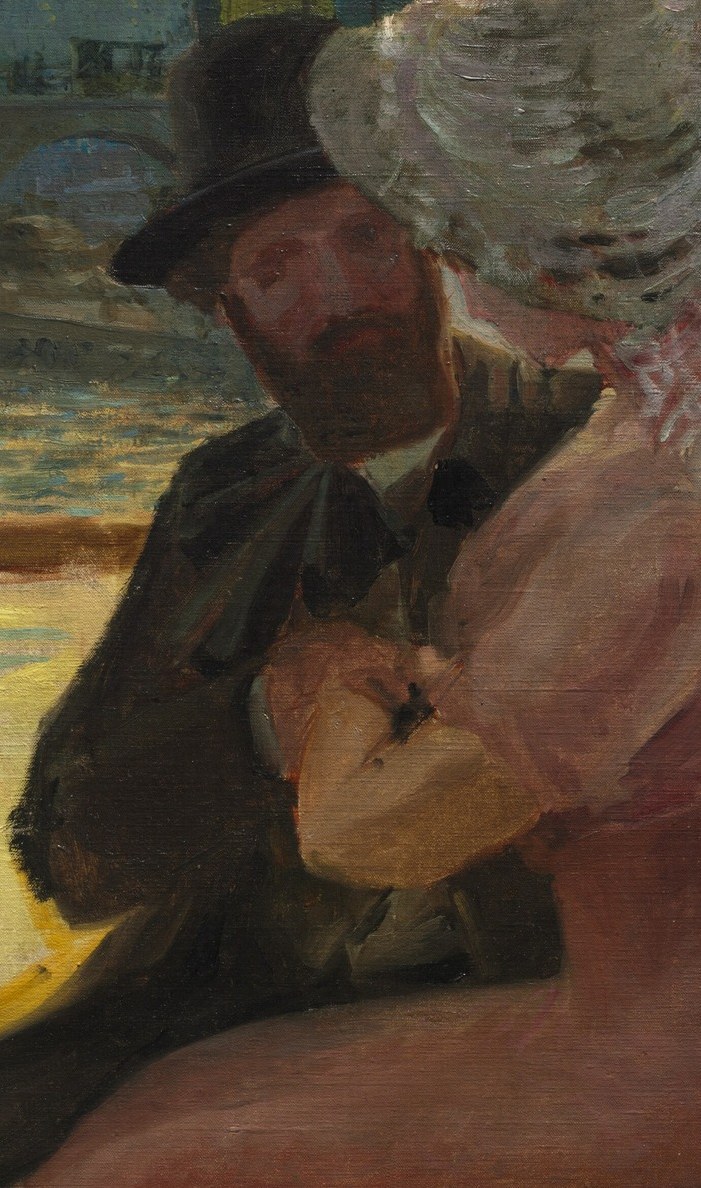
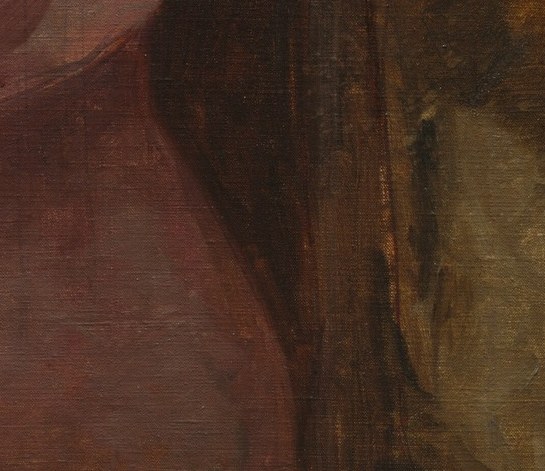
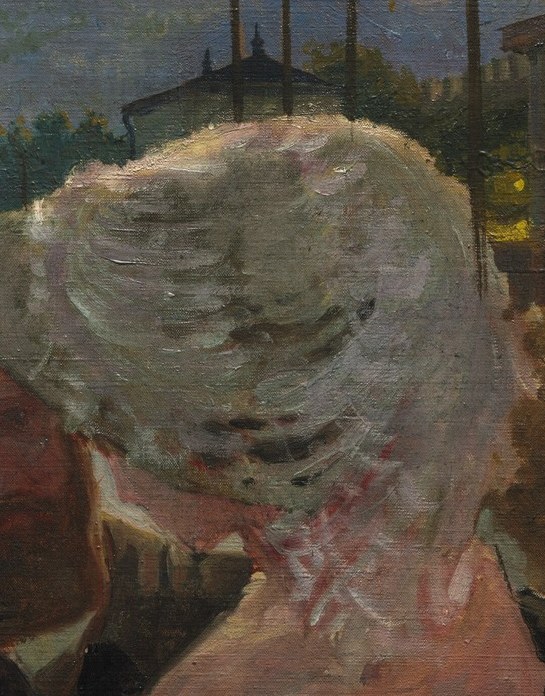
Observe the woman in her pink dress, subtly rendered, and her companion in a dark hat, both enveloped in a shared silence. The thick, textured application of paint, known as impasto, is characteristic of Cross's style, giving the surface a tactile quality.
Cross was a pivotal figure in the Neo-Impressionist movement, influencing artists like Henri Matisse and contributing to the development of Fauvism. His works often explore light and color through a meticulous, almost scientific approach, yet here the mood is deeply contemplative.
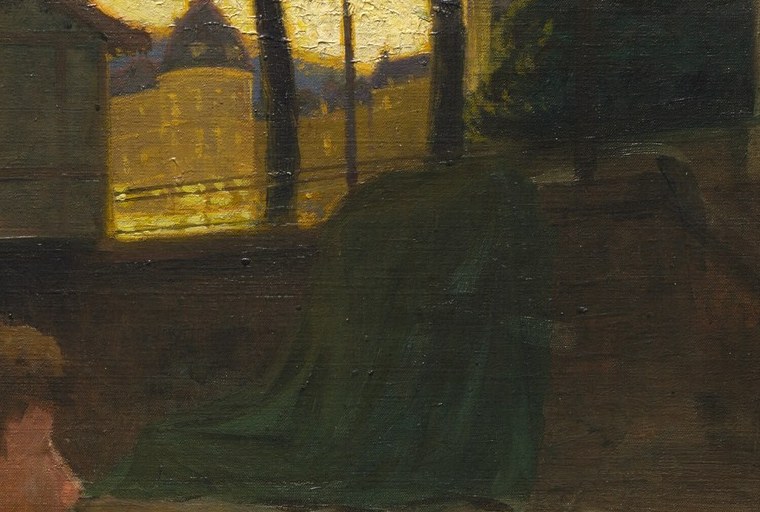
The fading light, reflected on the rippling water and glowing gently on distant buildings, creates an atmosphere of peaceful repose. What thoughts do you imagine occupy this couple in their quiet moment?
Details
Transcript
Twilight falls on a quiet river, somewhere in France. A woman in a pink dress watches the water. Her companion, in a dark hat, sits in shared silence. This painter was a key figure in Neo-Impressionism. He built up his scenes with thick, textured paint. The faint light on distant buildings suggests a peaceful evening. They are simply together, in a moment of quiet repose.