Madonna and Child Enthroned by Master of the Magdalen
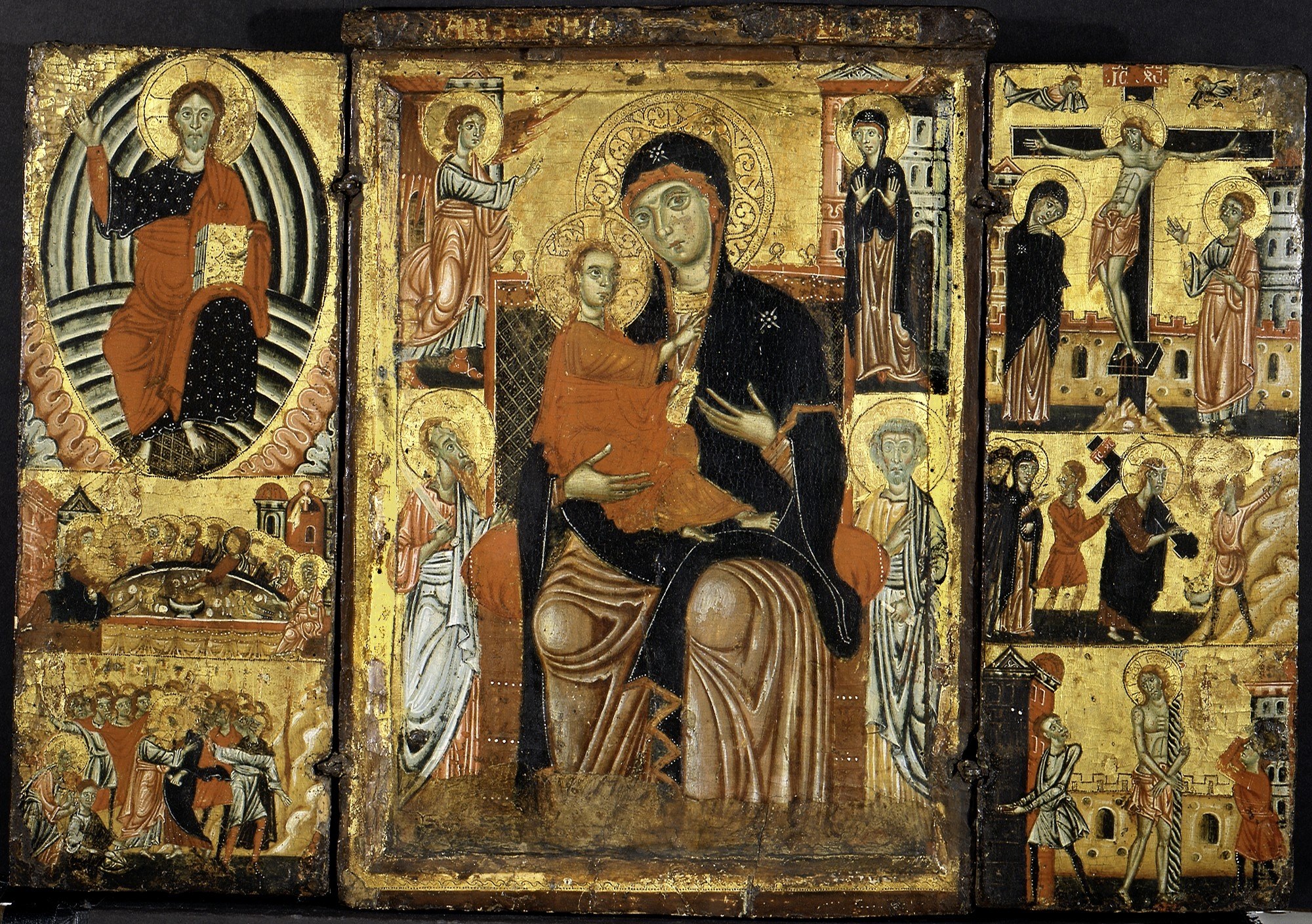
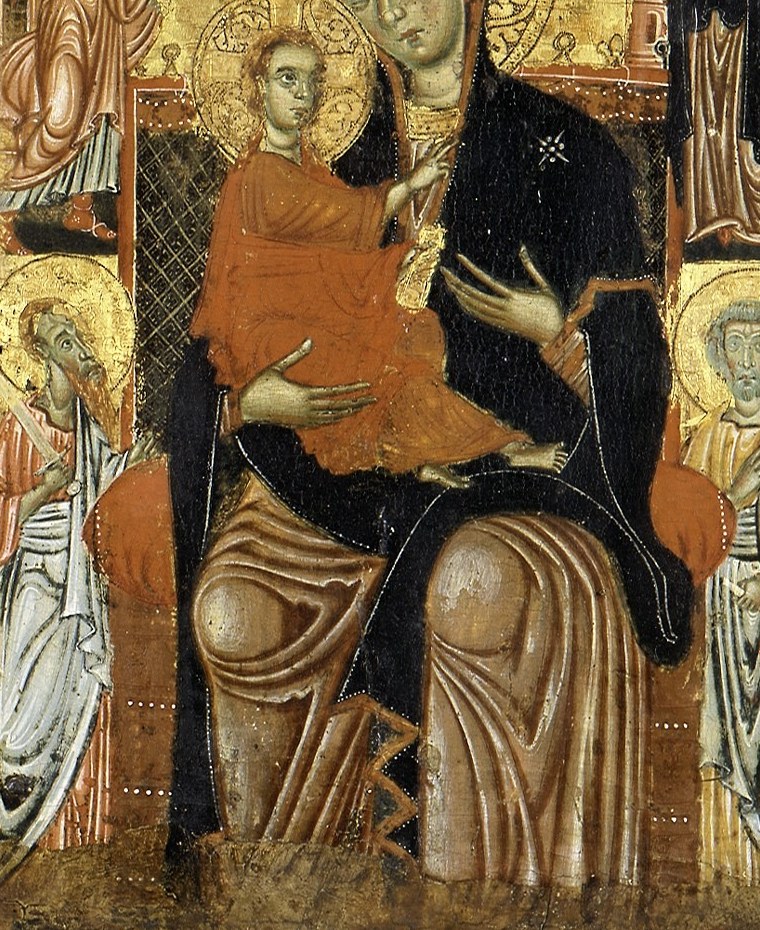
The "Madonna and Child Enthroned," painted around 1300 by the anonymous Florentine artist known as the Master of the Magdalen, is a profound example of late 13th-century Italian art, housed at The Metropolitan Museum of Art.
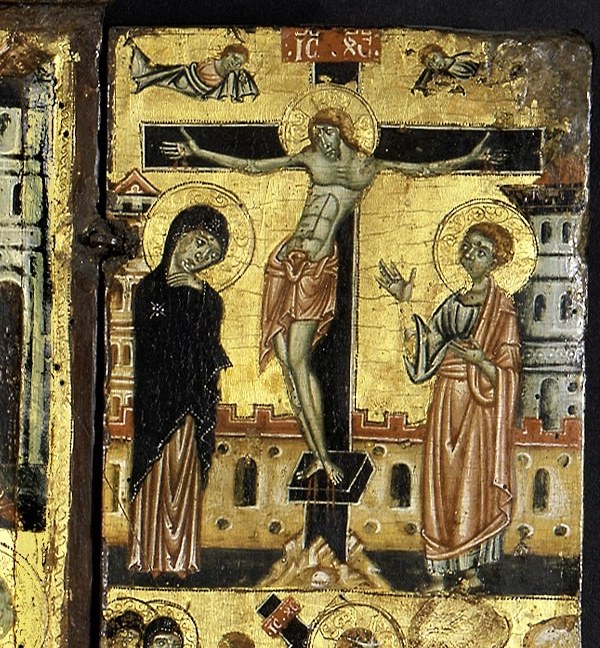
Notice the vibrant gold leaf background, a hallmark of Byzantine iconography, which not only signifies the divine but also highlights the sacred status of the Virgin Mary and the Christ Child. The smaller narrative scenes, though not easily discernible, hint at Christ's passion and sacrifice, adding layers of meaning to this devotional work.
The artist's identity remains a mystery, derived from his most famous work, "Mary Magdalene with Eight Scenes from her Life." This piece reflects the prevailing artistic traditions of its time, emphasizing spiritual significance through formal composition and a rich palette. It serves as a window into the artistic and religious fervor of medieval Florence.
What do you find most striking about this ancient work?
Details
Transcript
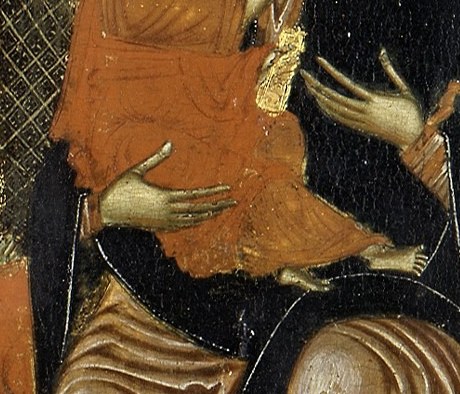
This painting is over 700 years old. It was created in Florence around the year 1300. The artist is known only as the Master of the Magdalen. The extensive use of gold leaf symbolizes divine light. The Virgin Mary cradles the Christ Child, a devotional subject. His solemn face hints at a wisdom beyond his years. These smaller scenes show Christ's suffering and sacrifice.