Father and Son by Budington, Jonathan
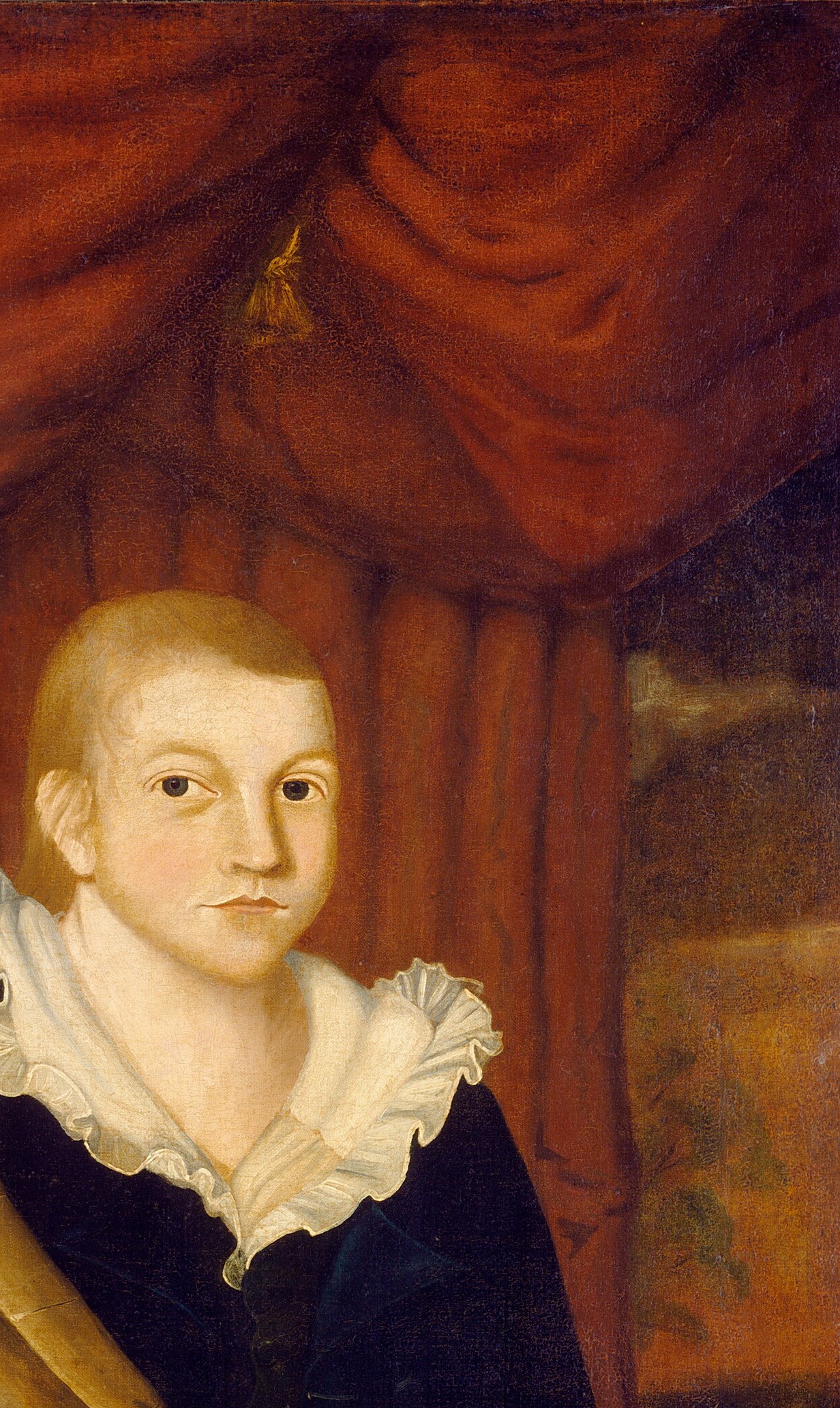
This is Jonathan Budington's "Father and Son," painted around 1800. It is a folk portrait from the earliest years of the American republic, now held by the National Gallery of Art. Budington was a self-taught provincial painter working outside academic conventions, and here he created a family record whose power is not in display but in restraint.
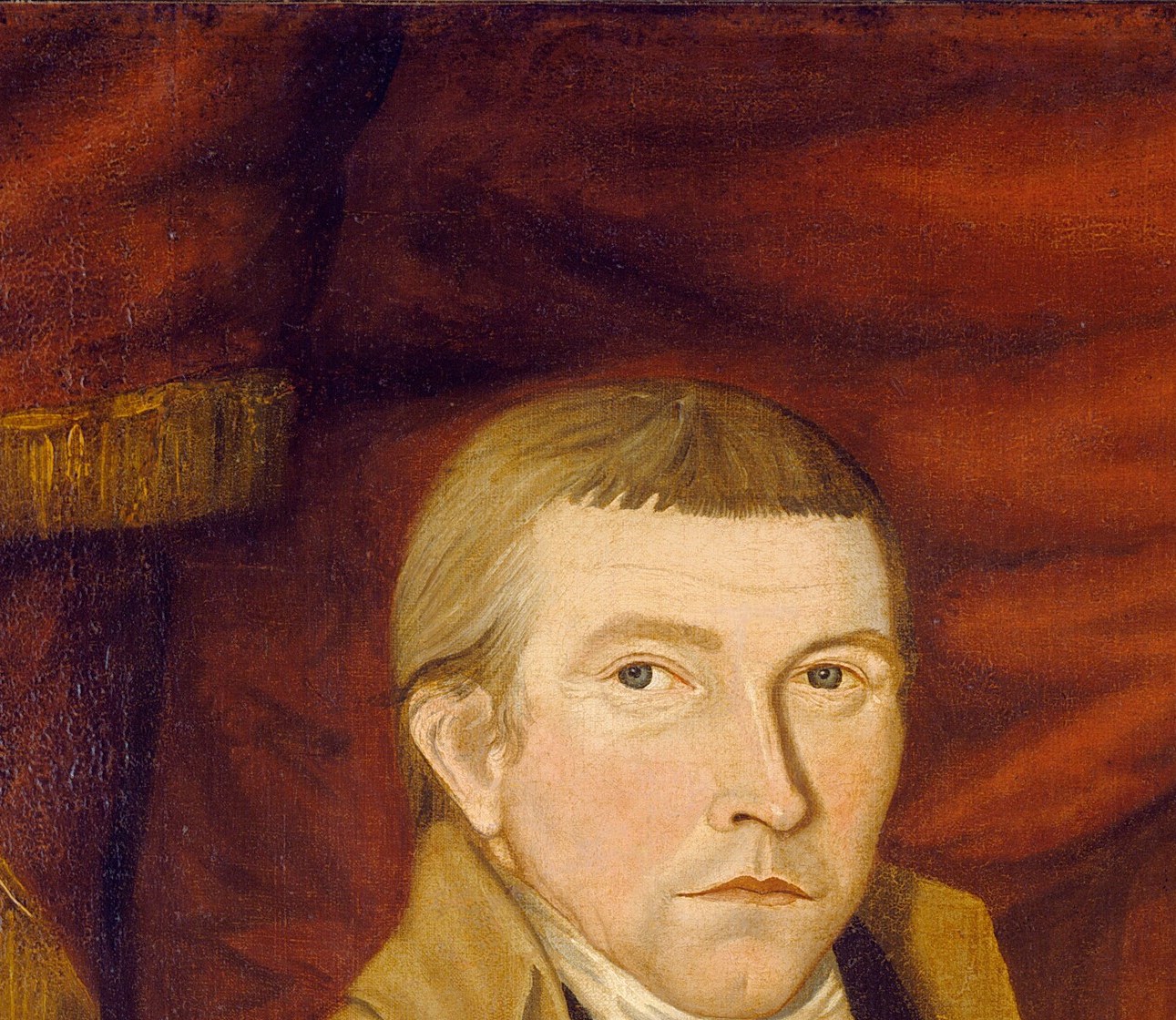
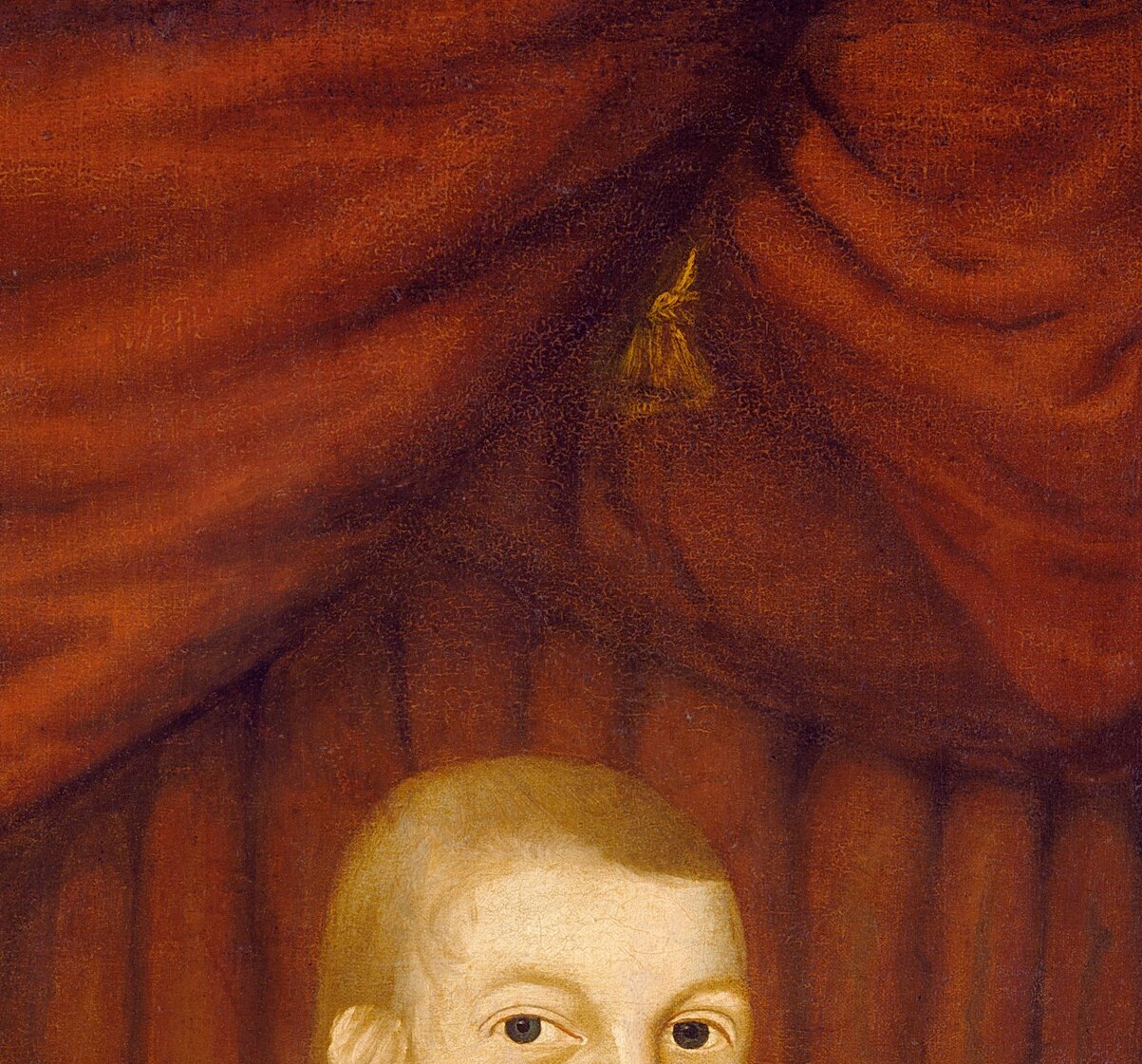
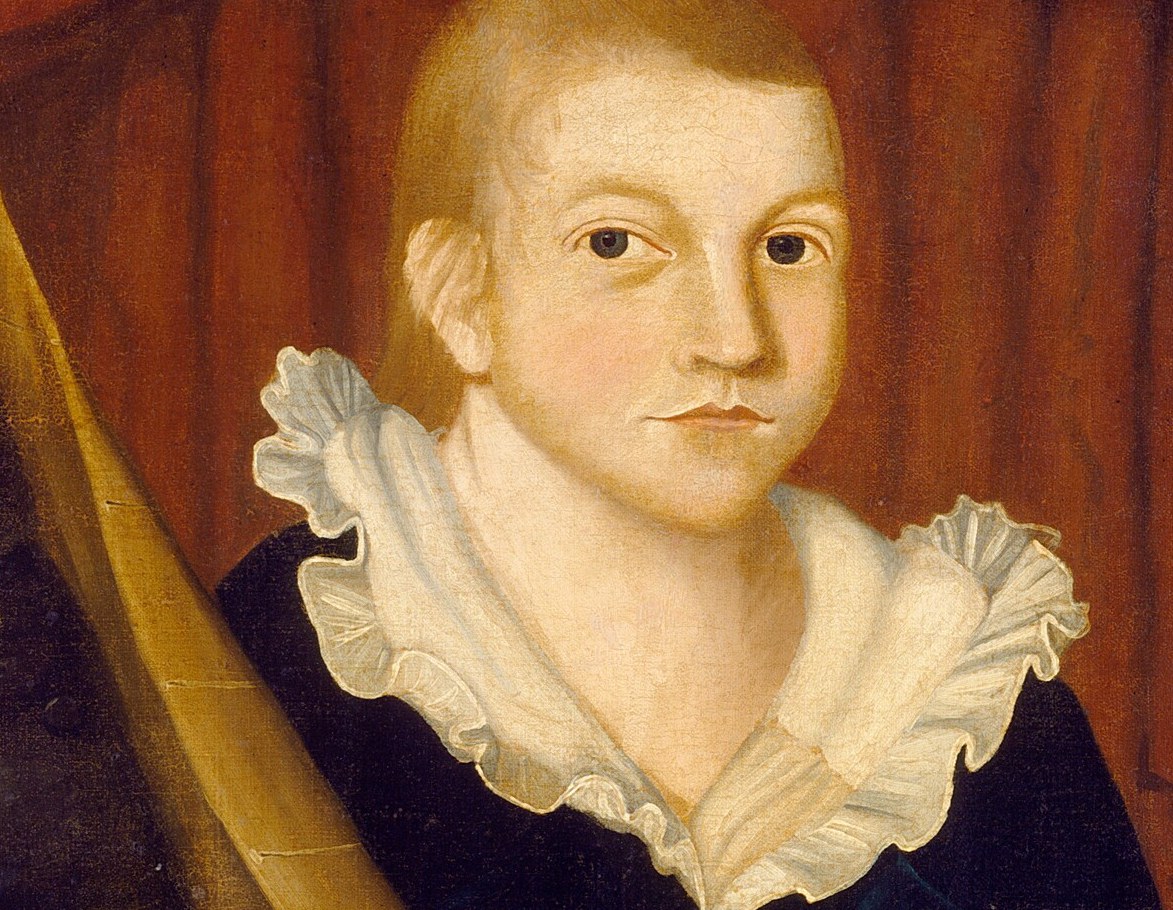
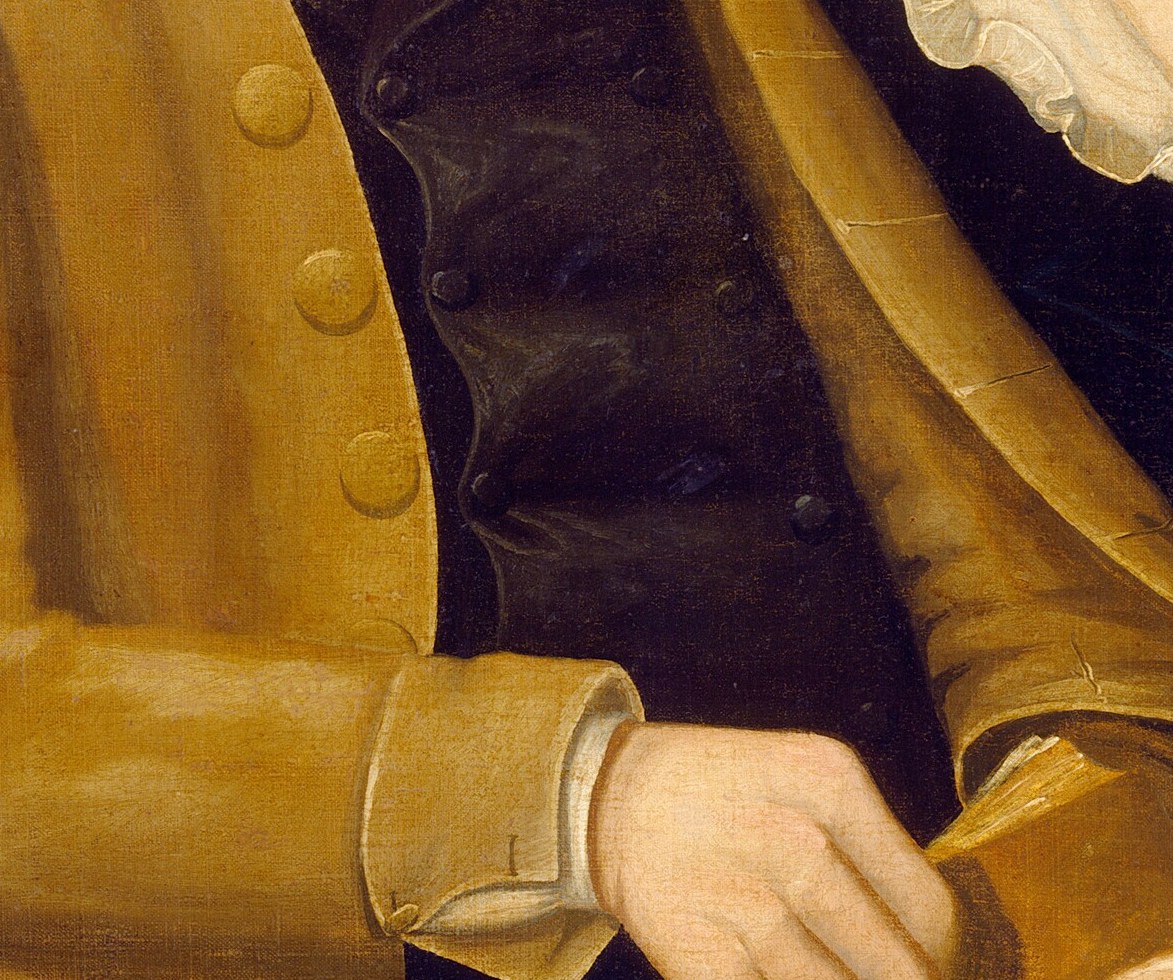
The father's eyes slip just past us. The boy faces forward, pale and round-cheeked but wearing the gravity of a small adult. Their matching white linen, his cravat, the child's wide ruffled collar, visually rhymes them across the canvas. But the painting's true fulcrum is at center: two hands layered over a book, the only place their bodies touch. In a canvas built on averted gazes, that joined point is where the affection lives.
Painted in 1800, the portrait reflects a Federal-era ideal of fatherhood. Boys of respectable families were dressed as miniature gentlemen and shown with the tools of educated patrimony, here, a book held between them. The bond was real; the expression was formal. Budington caught both.
What do you see in the distance between those two faces?
Details
Transcript
They do not look at each other. His eyes drift just past us. The boy stares straight ahead, solemn as a man. Jonathan Budington painted this in 1800. America was a new republic. He gave them matching white linen, parent and child in parallel. And here, at the center: their hands overlap. In a painting of averted gazes, the bond lives exactly there.