Wheatfield by Claude Monet
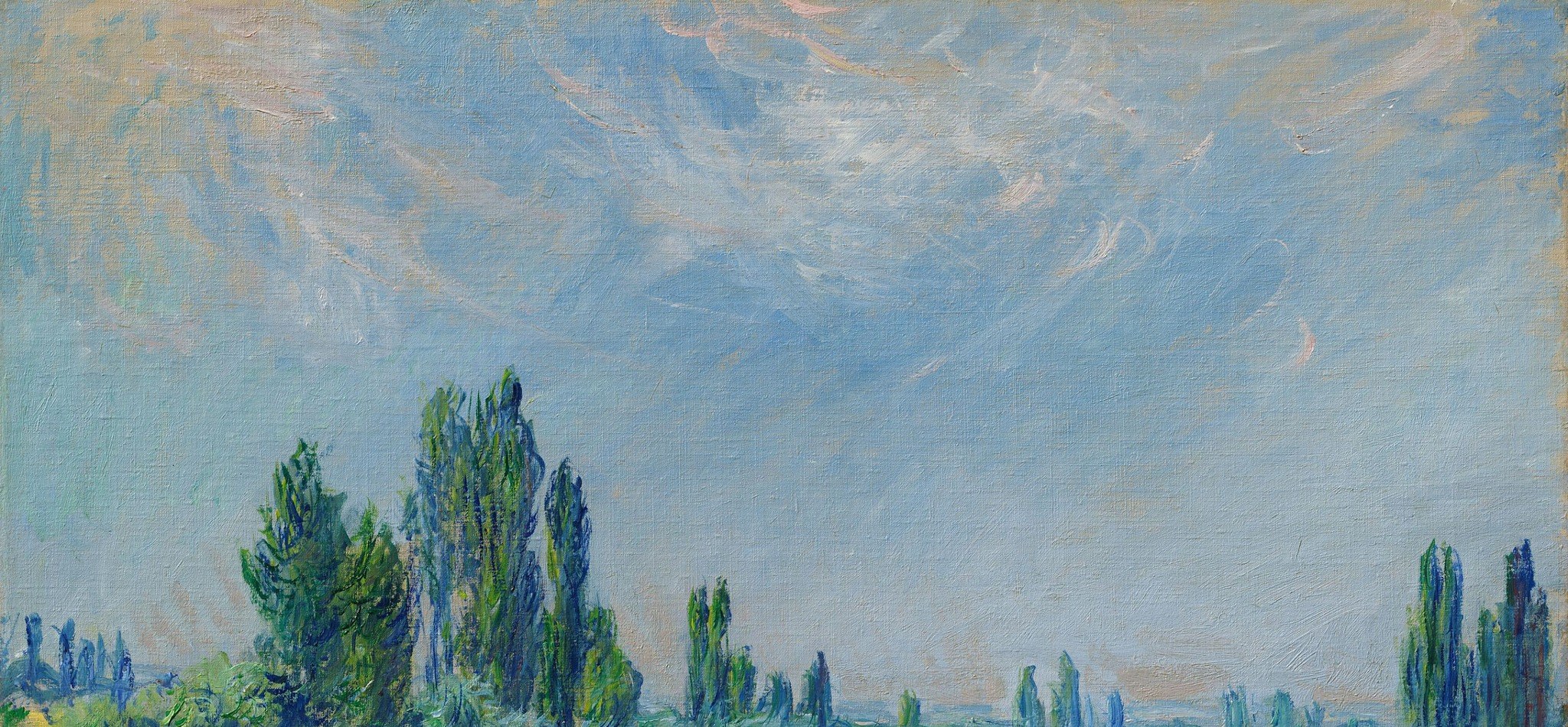
Wheatfield, by Claude Monet, 1891, at The Cleveland Museum of Art. This painting is a vibrant snapshot of the French countryside, showcasing Monet's mastery of capturing transient light and texture.
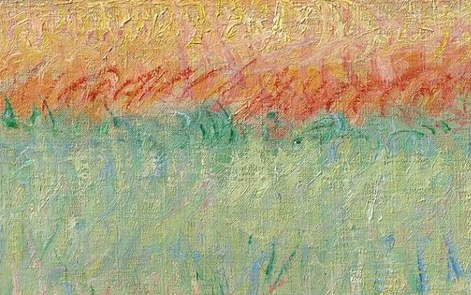
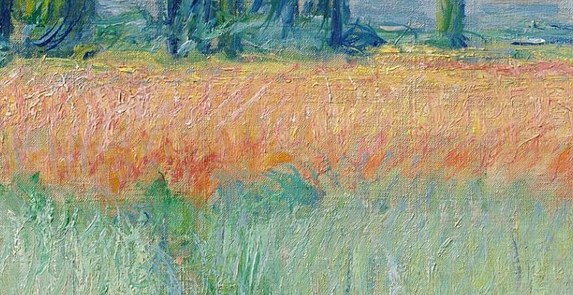
Dominating the scene is a vast expanse of ripening wheat, rendered in rich golden and green hues. Notice how Monet uses visible, textured brushstrokes to build form and suggest movement within the field. Look closely at the patches of sunlight that illuminate the stalks and the scattered red poppies in the foreground.
Painted in 1891, this work is part of a series where Monet intensely studied the changing seasons and the effects of light on the same landscape. It exemplifies his Impressionist focus on sensory experience and the natural world.
Monet sought to capture nature as he perceived it, a pioneer of modern art. What do you see in the play of light across the wheat?
Details
Transcript
The whole landscape is filled with ripe wheat. Sunlight breaks across the golden stalks. Monet painted this in 1891. The wheat was ripening. Look at the texture of the paint. He captured the fleeting light of the day. Red poppies peek through the tall grass. The artist signed his name here.