Virgin and Child by Giampietrino
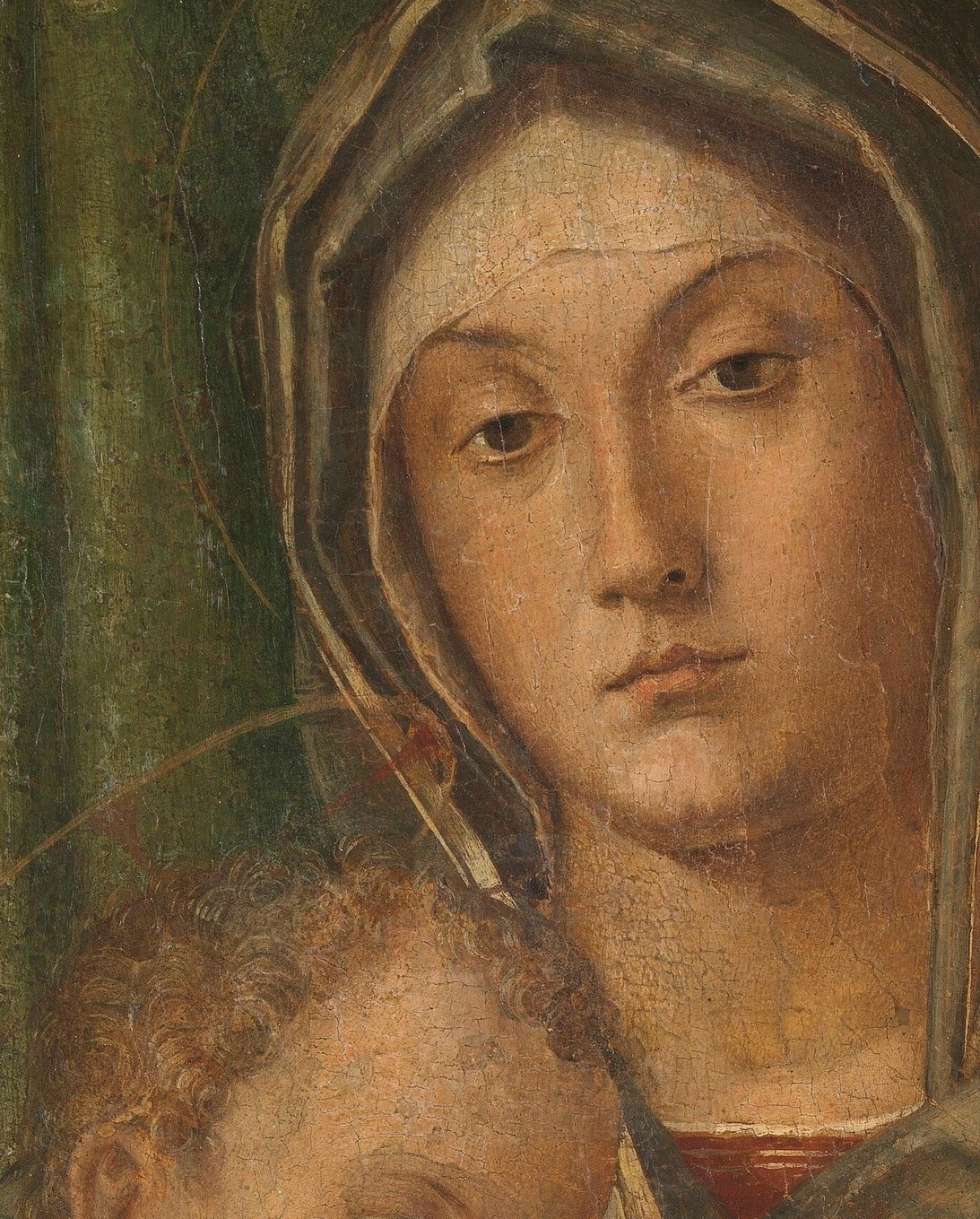
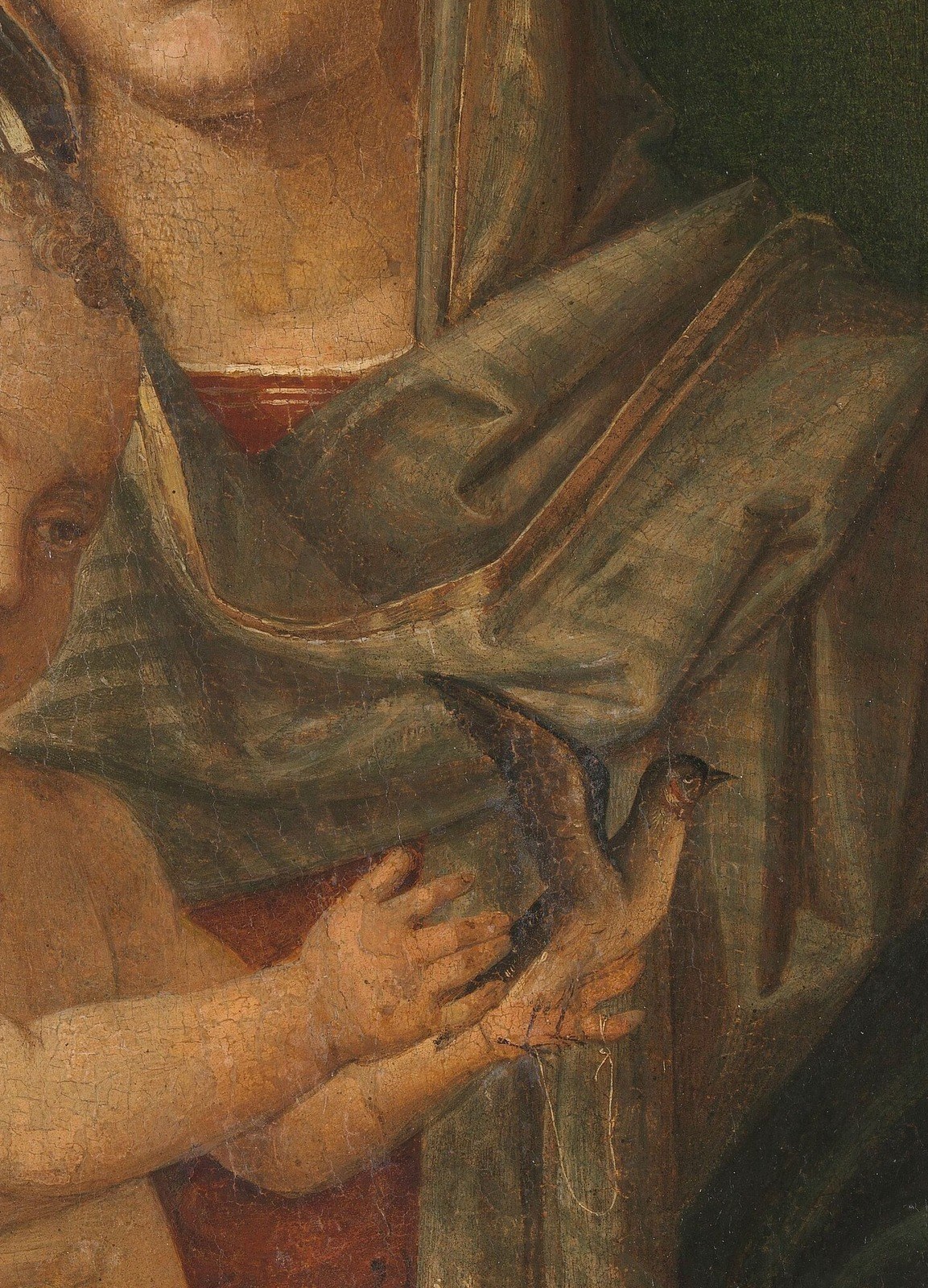
The "Virgin and Child" painted around 1550 by Giampietrino, likely Giovanni Pietro Rizzoli, at the Rijksmuseum, is more than just another religious scene. Its artist was a key figure in the Lombard school and closely associated with Leonardo da Vinci's circle, influencing its subtle beauty.
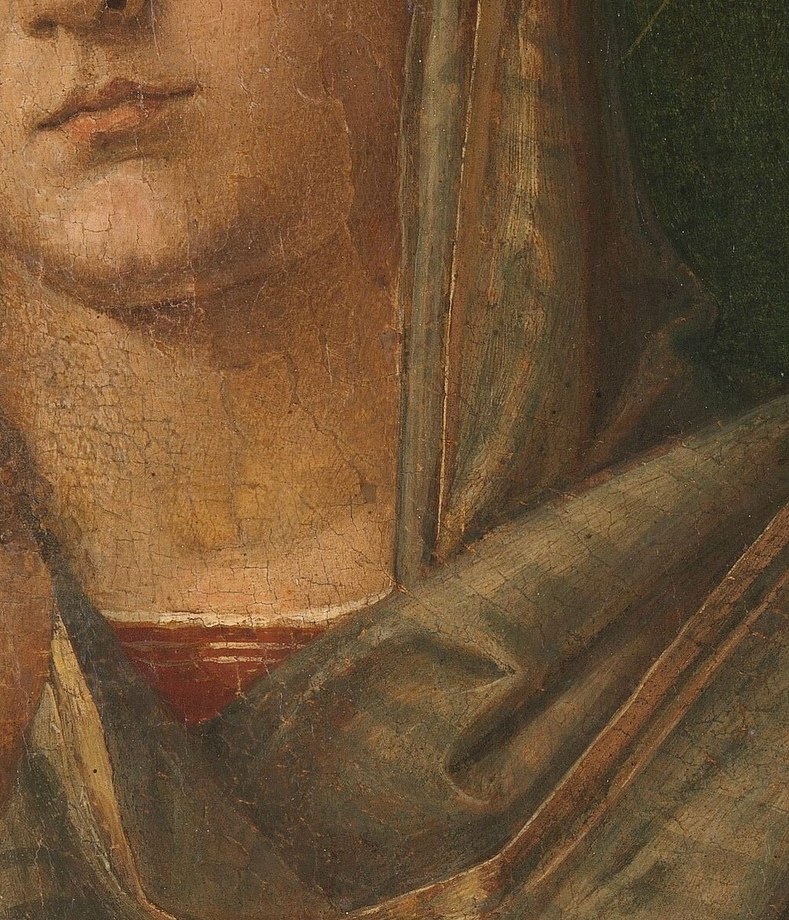
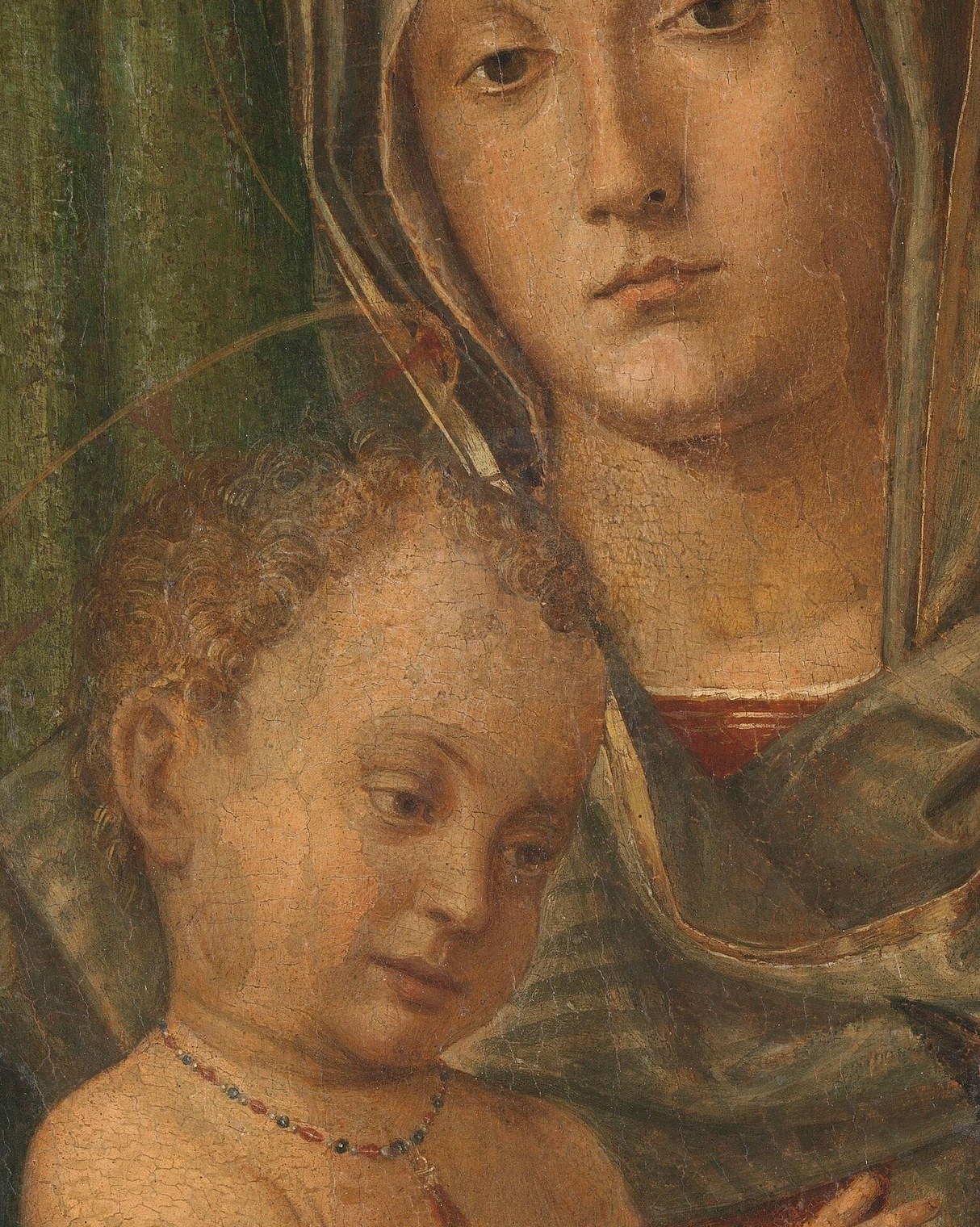
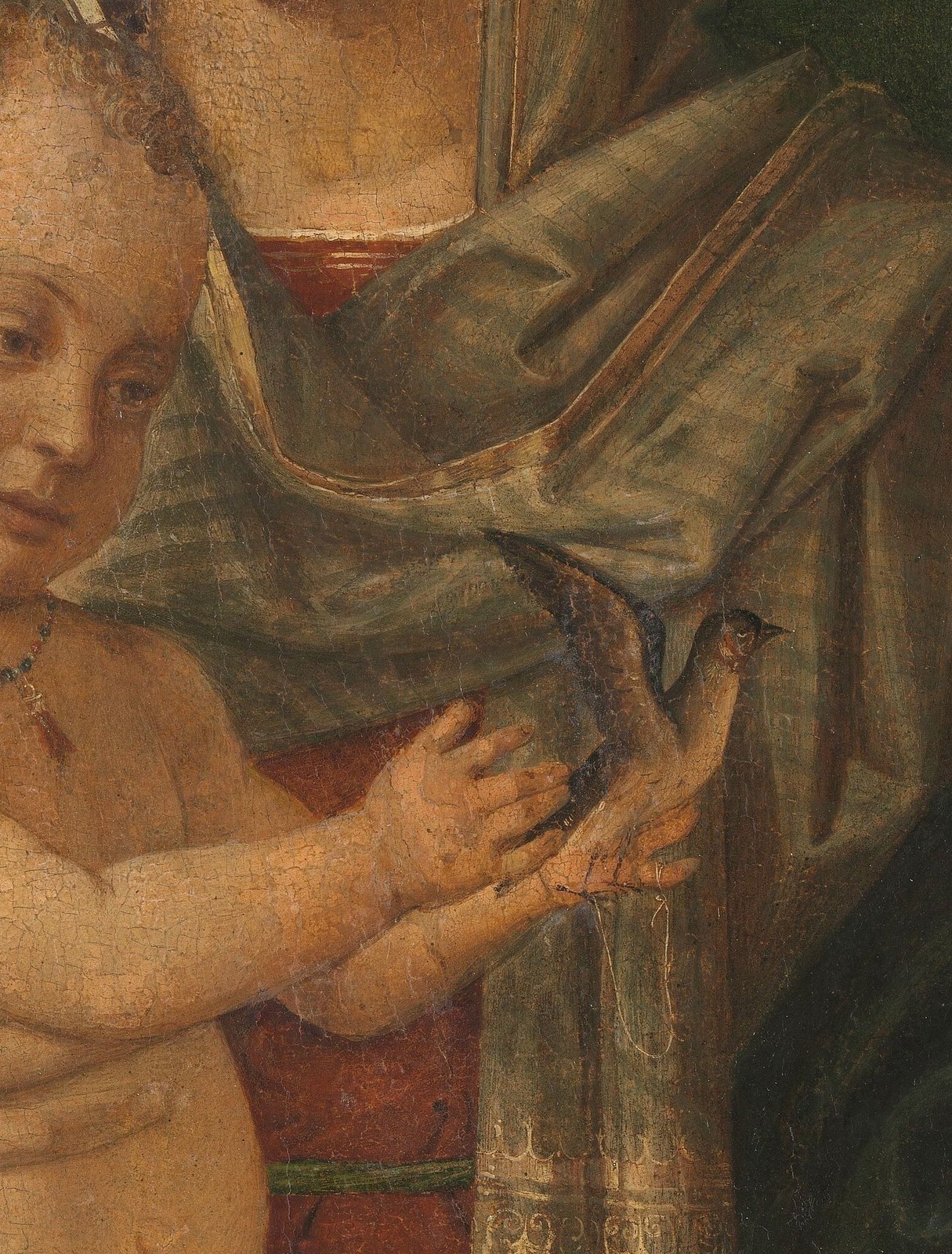
Notice the soft, almost ethereal glow on the Virgin's face and the Christ Child's skin. This delicate treatment, known as sfumato, was a hallmark of Leonardo's style, which Giampietrino expertly adapted and implemented in his own paintings.
Giampietrino, active between 1495 and 1549, was known for effectively utilizing Leonardo's artistic principles and techniques. His connection to such a master gives this work a depth and refinement that speak to a rich artistic exchange.
This painting invites us to look beyond the immediate subject and appreciate the transmission of artistic ideas through history.
Details
Transcript
This painting from 1550 looks like many others, but it hides a secret. The artist, Giampietrino, was part of Leonardo da Vinci's inner circle. He was known for 'exploiting Leonardo's repertory' of techniques. See the soft, almost glowing skin of the Christ Child. This delicate rendering, sfumato, was a signature of Leonardo. Giampietrino adapted these subtle effects for his own work.