George Moore (1852–1933) at the Café by Édouard Manet
Édouard Manet's 1878 portrait, "George Moore (1852-1933) at the Café," captures the Irish writer in a moment of quiet contemplation, a stark contrast to the painter's initial vision. Housed at The Metropolitan Museum of Art, this painting offers a glimpse into both Moore's personality and Manet's artistic process.
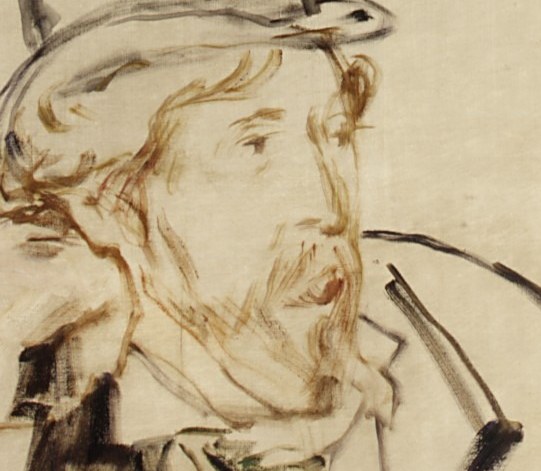
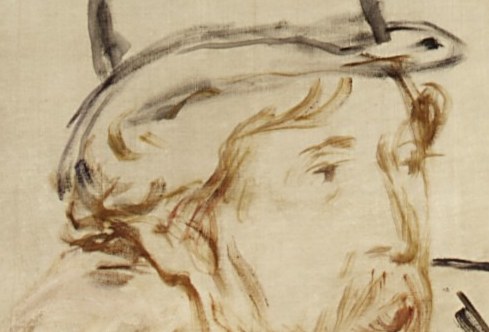
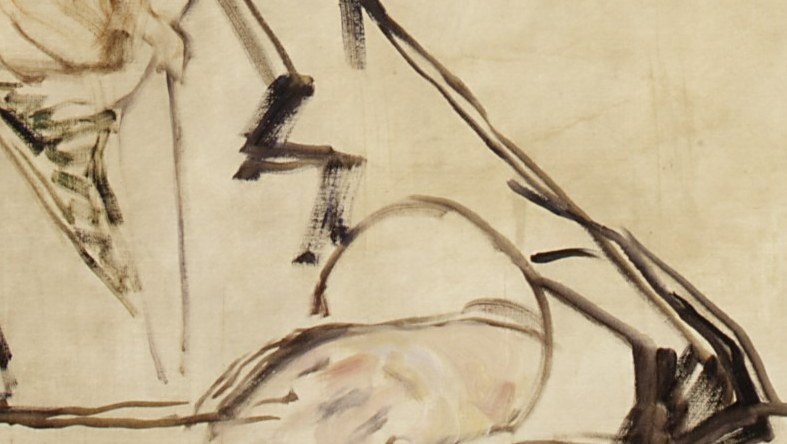
Observe Moore's pensive expression and the relaxed posture of his hands and arms. Though Moore recounted that Manet initially wanted him posed leaning on a stick, the artist ultimately preferred this more informal, thoughtful arrangement, seemingly finding inspiration in the writer's natural demeanor.
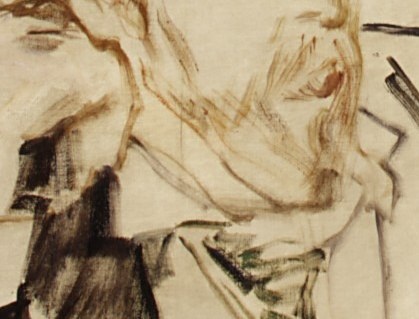
Manet, a pivotal figure in the transition from Realism to Impressionism, was known for his loose and rapid brushwork, which is evident here in the spontaneous, sketch-like quality of the portrait. This technique lends the work an immediacy, making it feel like a snapshot of a private moment rather than a formal sitting. It's one of Manet's last works, painted just five years before his death.
The painting is a testament to Manet's ability to capture the essence of his subjects, transforming a casual café scene into a compelling study of a literary mind. What do you imagine Moore is thinking about in this quiet moment?
Details

Transcript
This is writer George Moore, painted in a Parisian cafe. Manet painted him in 1878, just five years before his own death. Moore wrote that Manet wanted to paint him "leaning on my stick." But the painter disliked his hands and had him change the pose. This casual portrait feels unposed, a captured moment. It shows his thoughtful nature, away from the world.