Self-Portrait with Raphael de Ochoa by Jacques-Émile Blanche
Jacques-Émile Blanche painted "Self-Portrait with Raphael de Ochoa" in 1890, a double portrait now held at the Musée des Beaux-Arts in Rouen. It is not just a self-portrait but a coded document of a life lived against the moral grain of its time.
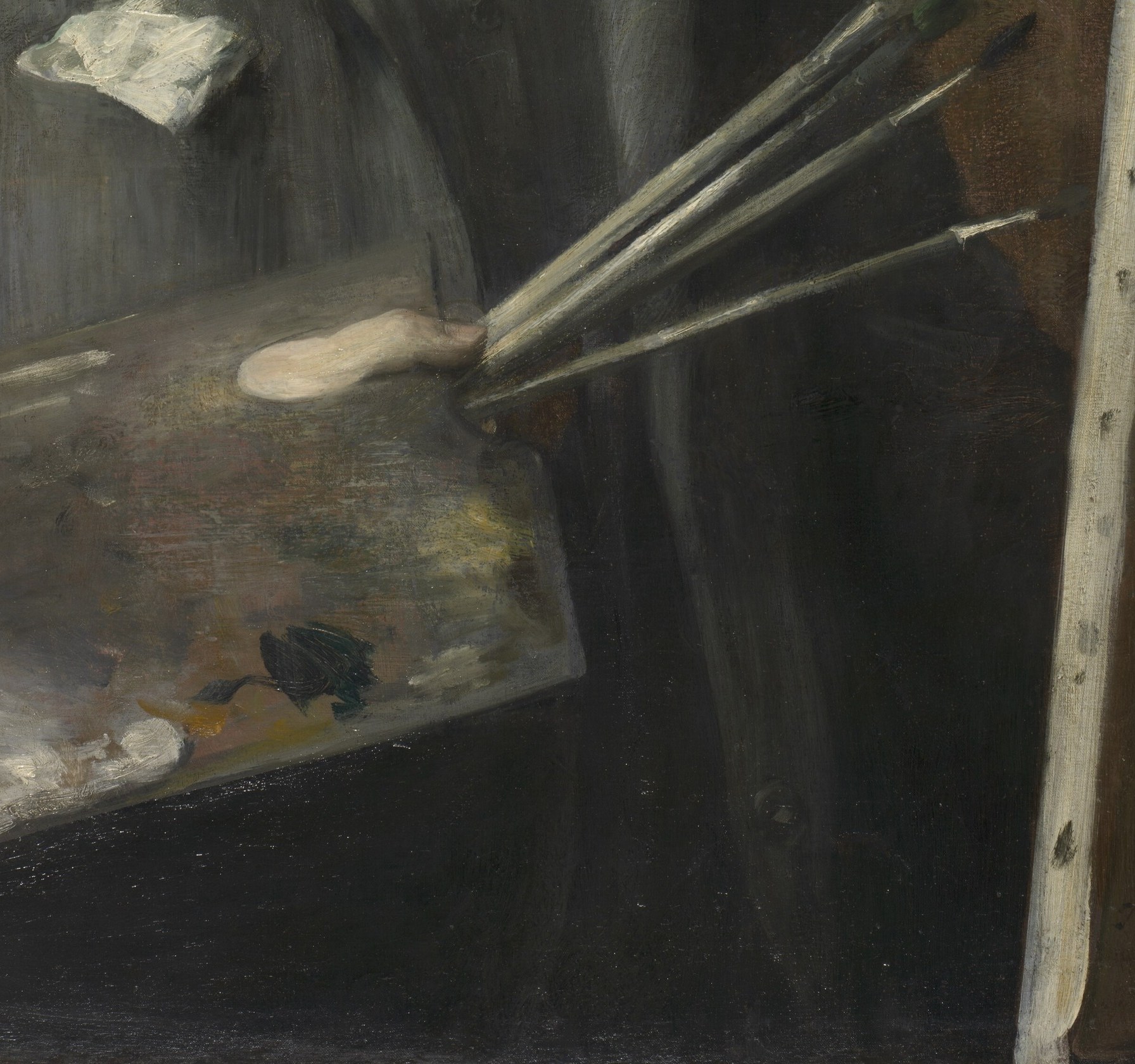
Look closely at the composition. Blanche places himself in the foreground, tools in hand, his gaze direct and almost clinical. Behind him, Raphael de Ochoa materializes from the shadows, his face slightly soft-focused. This is not mere friendship; it is a declaration. The artist literally paints himself in front of the man he loved, insisting their two faces share the same frame.
Blanche was the son of the celebrated psychiatrist Émile Blanche, whose clinic treated the nervous disorders of high society. Jacques-Émile grew up surrounded by the analysis of faces and minds, and his portraits became a kind of psychological dissection. His social circle included Proust, Wilde, and Whistler, and his relationship with the Spanish-born pianist Ochoa was an open secret whispered about in the salons of Paris.
To paint this in 1890, with the specter of the Labouchère Amendment and Oscar Wilde’s trial looming, was a quiet but profound gamble. The painting survived, a testament to a love that dared to sign its name in pigment.
Details
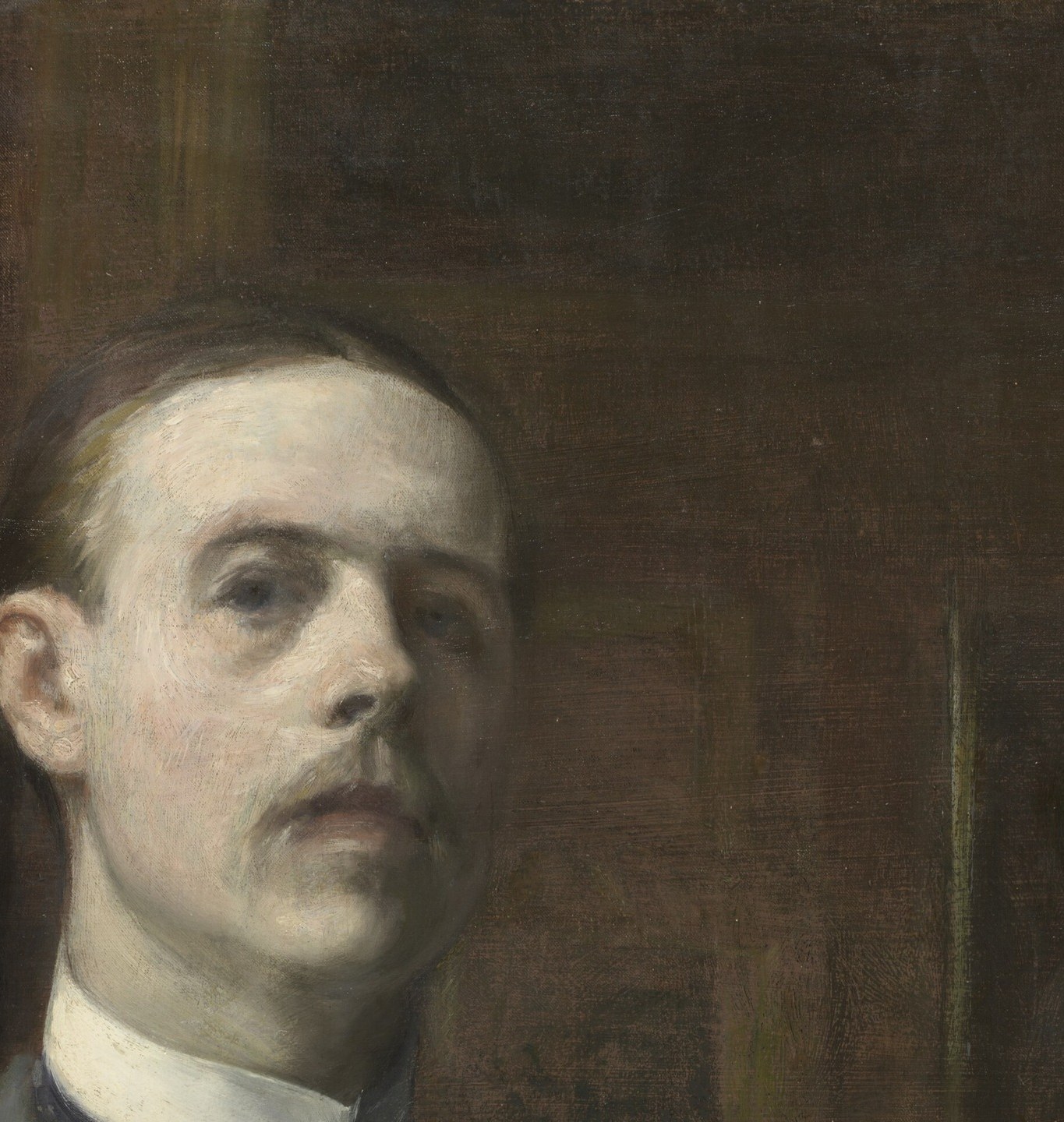
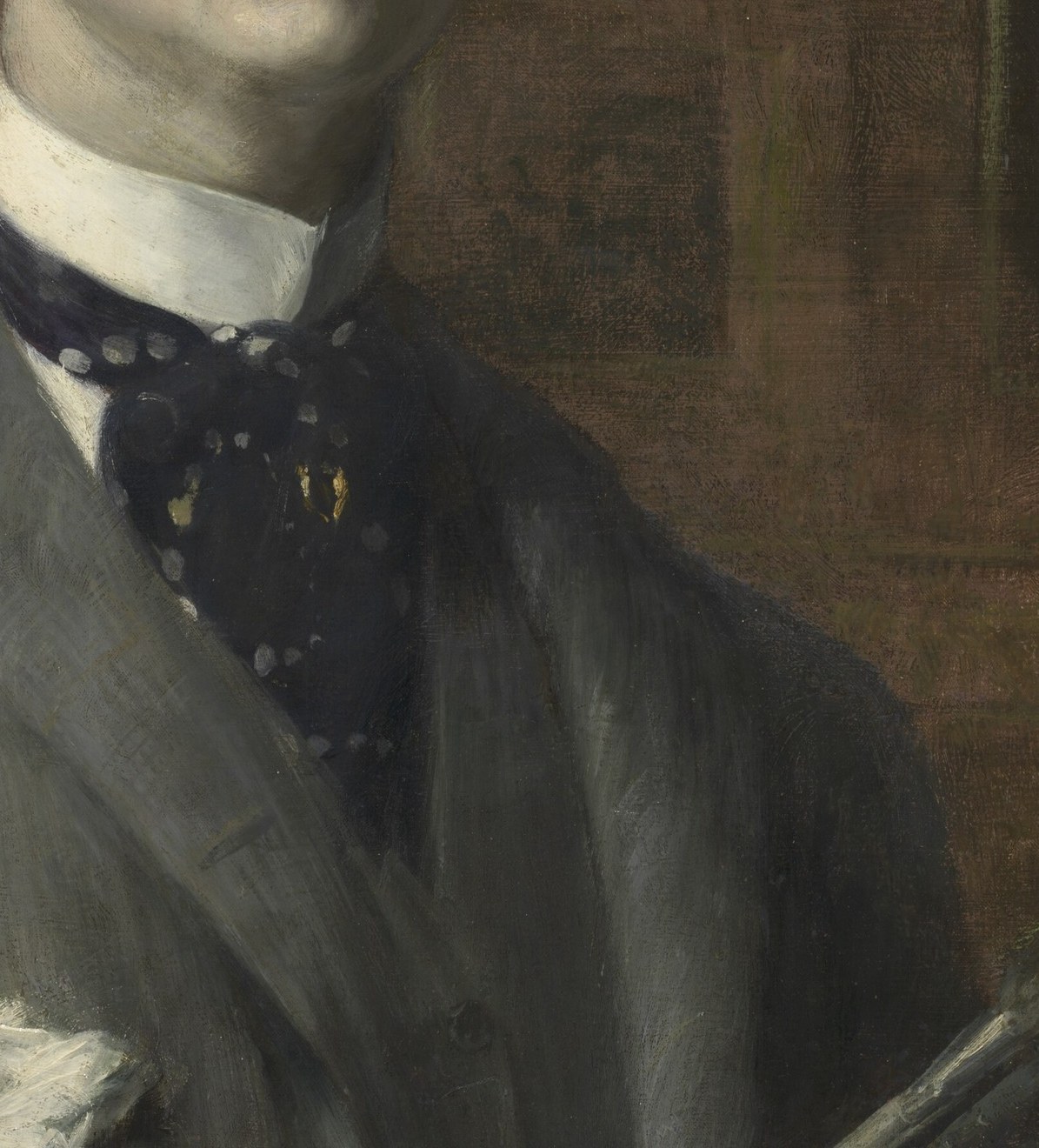
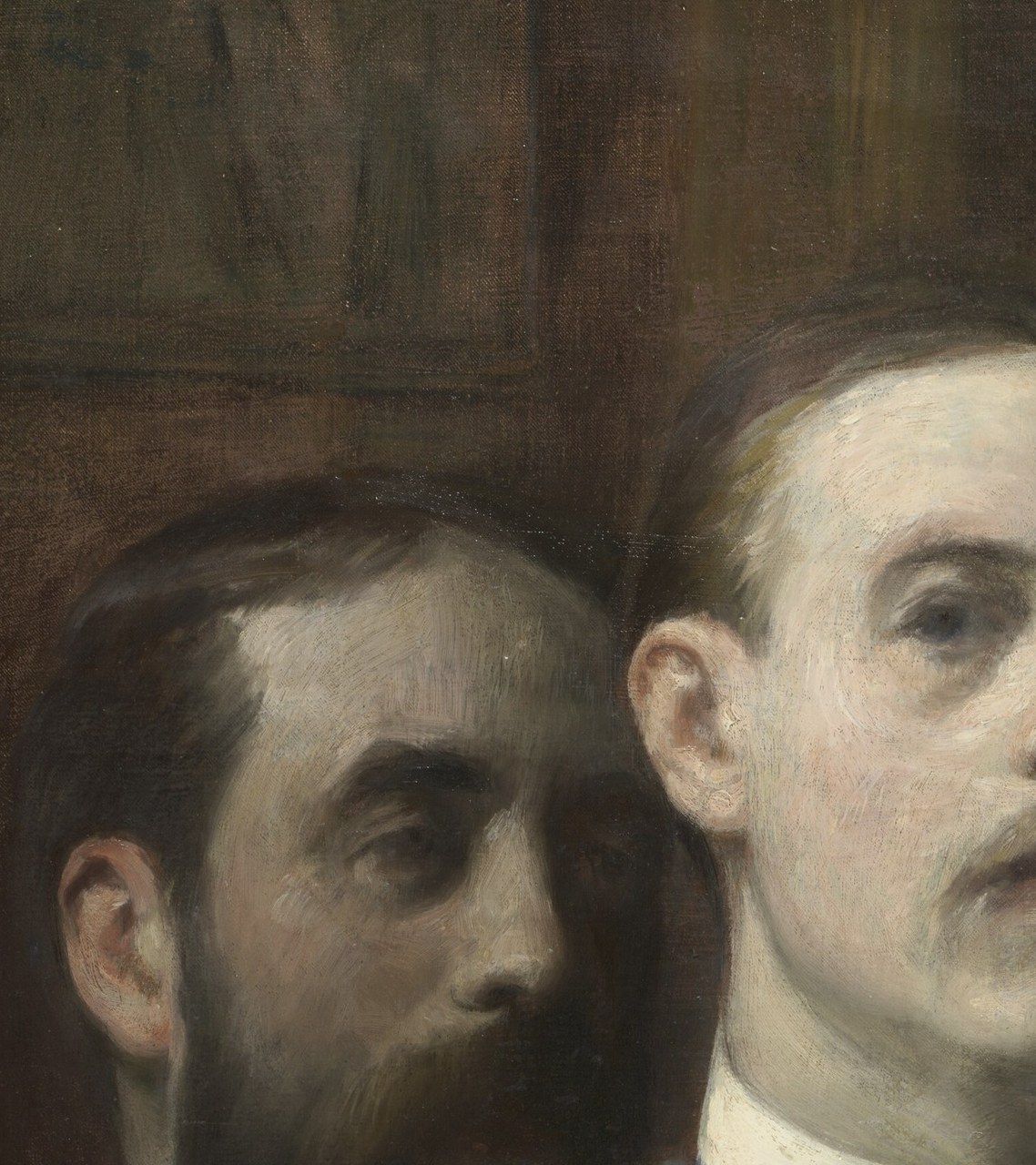
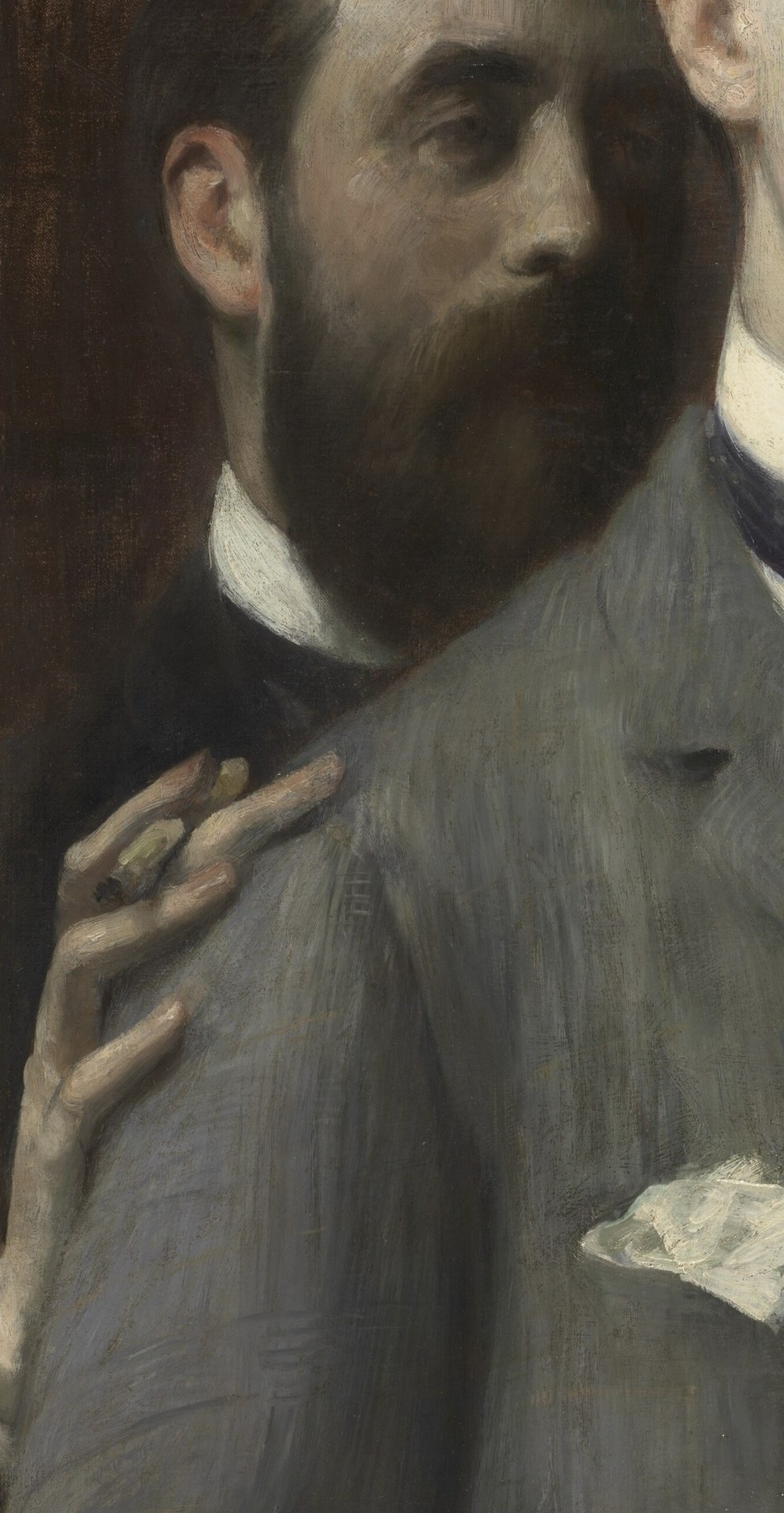
Transcript
He called himself the painter of 'soul murderers.' Jacques-Émile Blanche moved through high society. Here, he paints himself with Raphael de Ochoa. Ochoa emerges like a specter from the dark. Their relationship was the scandal of Paris. Blanche’s father was a famous alienist. He studied faces to diagnose the madness within. In 1890, this painting was an act of defiance.