The Oak Door by Alexander Pope
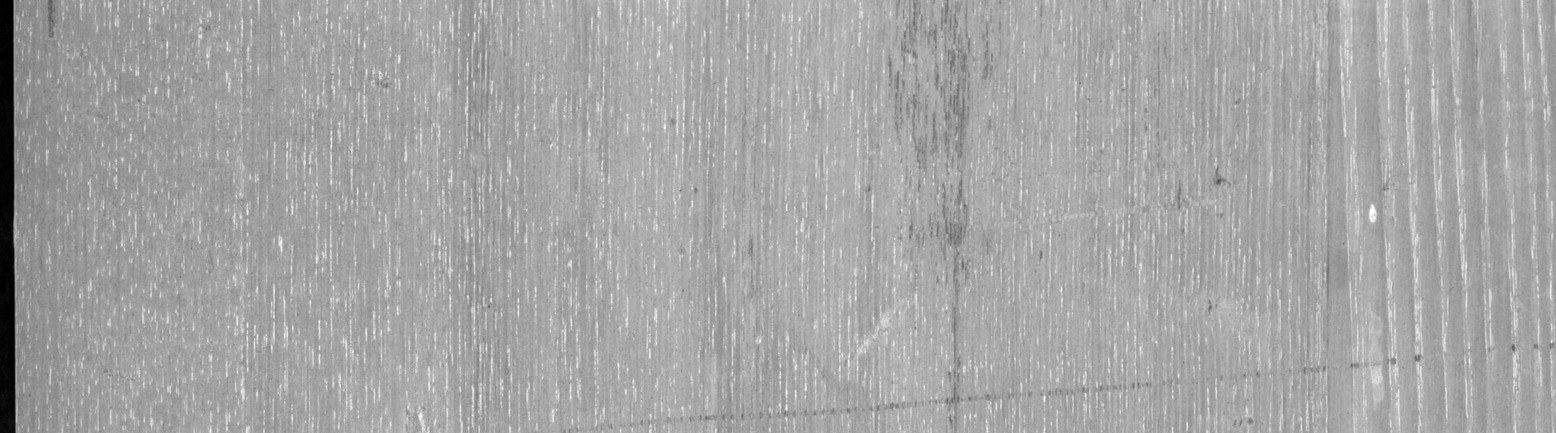
Alexander Pope's "The Oak Door," painted in 1894, is a masterwork of flat-out deception. At first glance it is a battered old door with a maker's plate screwed into the wood. The entire thing is oil on canvas, a work of trompe-l'œil so precise that the Metropolitan Museum of Art treats it as a landmark of American still life.
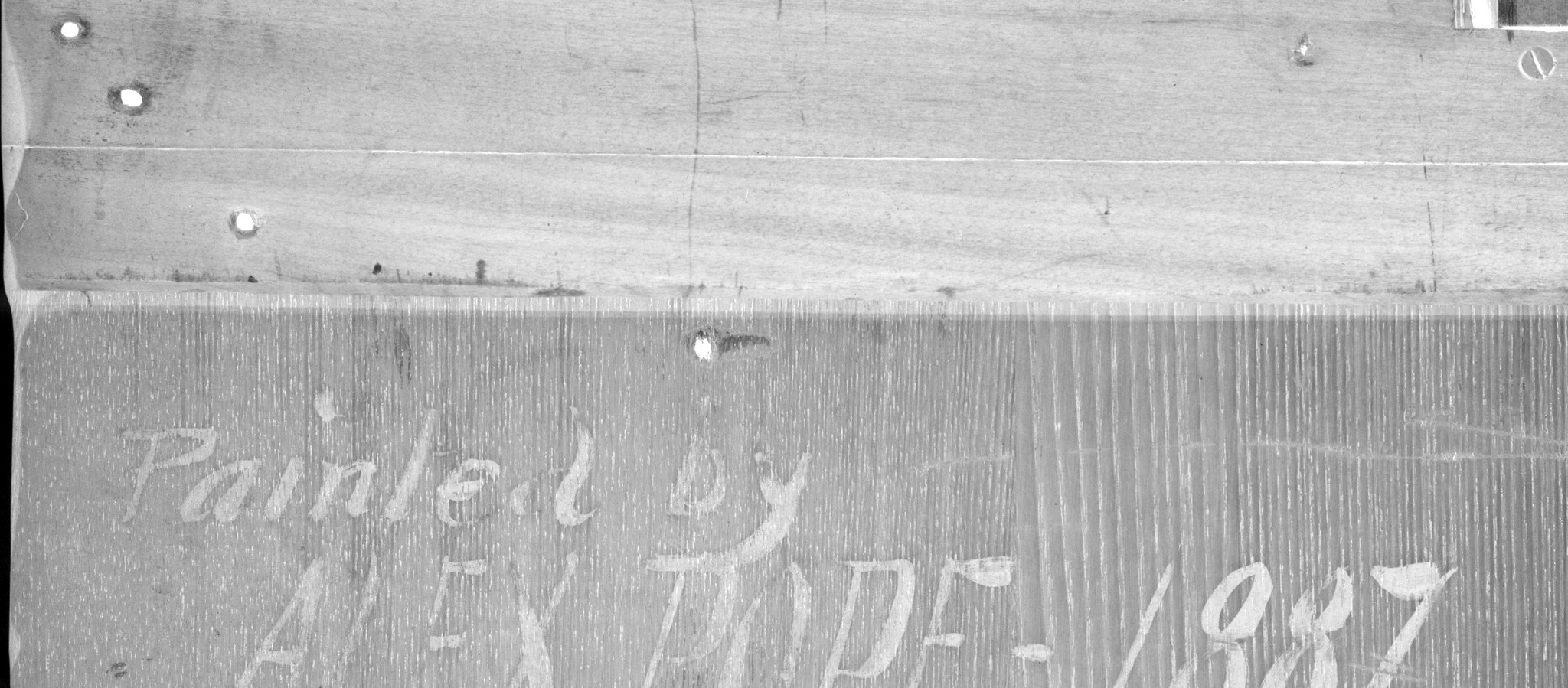
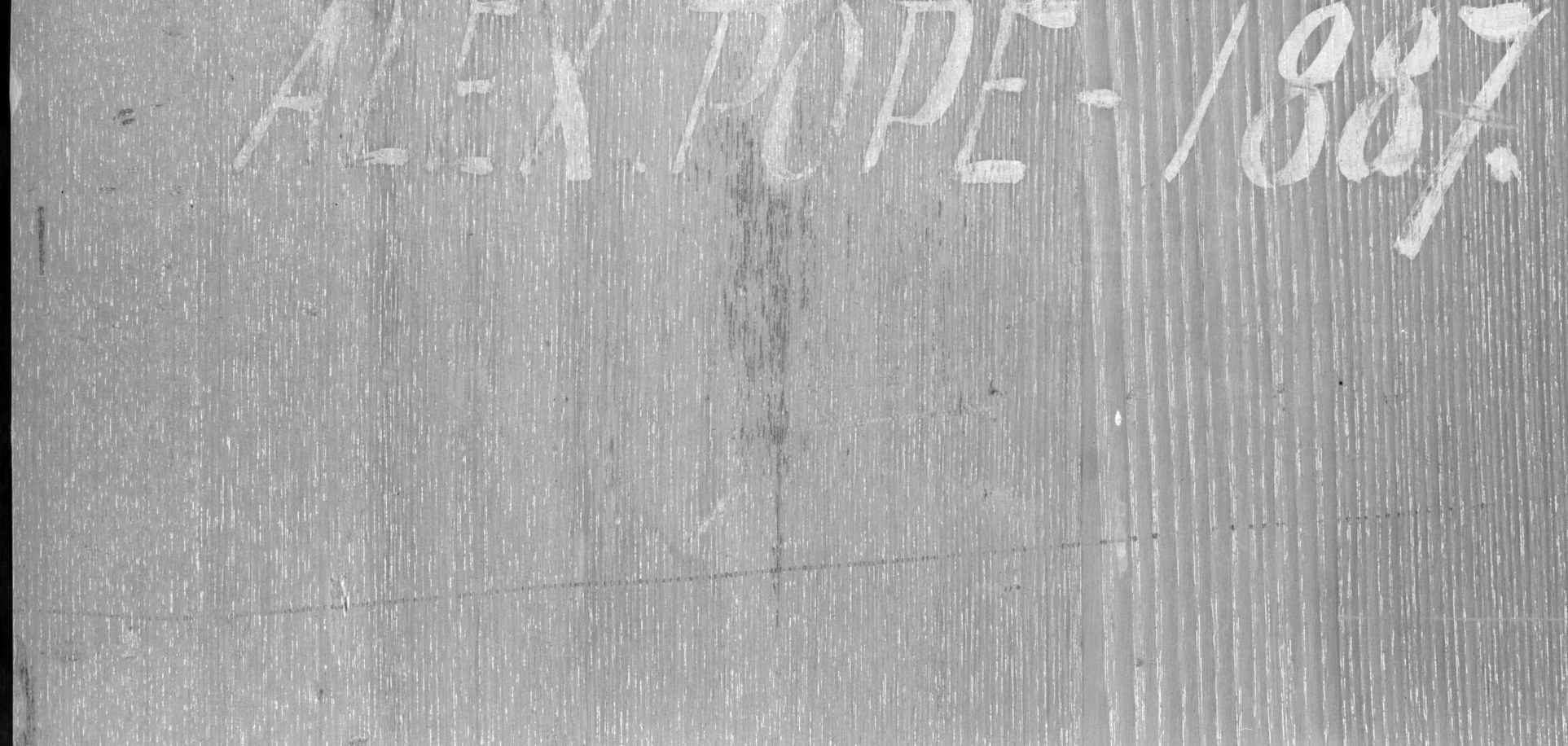
Look past the illusion of the hardware and the wood grain. The painted inscription in the center reads "Painted by Alex Pope. 1887." The cursive dedication and block-letter signature are themselves a fiction within the fiction, mimicking a formal document glued to the door.
The date inscribed on the painting is the real source of intrigue. Scholars believe Pope worked on this trompe-l'œil series over a span of years, making the prominent "1887" either a retrospective claim or a deliberate part of the trick. The artist signed his name inside an illusion that he controlled completely, including its timeline.
Once a popular gaming artist, Pope carved a different kind of reputation with this work. It asks a simple, lasting question: if the signature is inside the painting, what exactly did the artist make?
Details

Transcript
This looks like an old oak door, weathered and worn. The hardware, the grain, the nail marks are all painted illusions. But the inscription is real paint on a real canvas. It reads: 'Painted by Alex Pope. 1887.' Scholars now believe he painted this series across multiple years. The date on the canvas is part of the illusion. The Met acquired it, securing Pope's place in American art history.