Portrait of a Woman, Called the Marchesa Durazzo by Anthony van Dyck
Anthony van Dyck's Portrait of a Woman, Called the Marchesa Durazzo, painted in 1623, is a stunning example of Flemish Baroque portraiture. Housed at The Metropolitan Museum of Art, it showcases the artist's early mature style when he was just 24 years old.
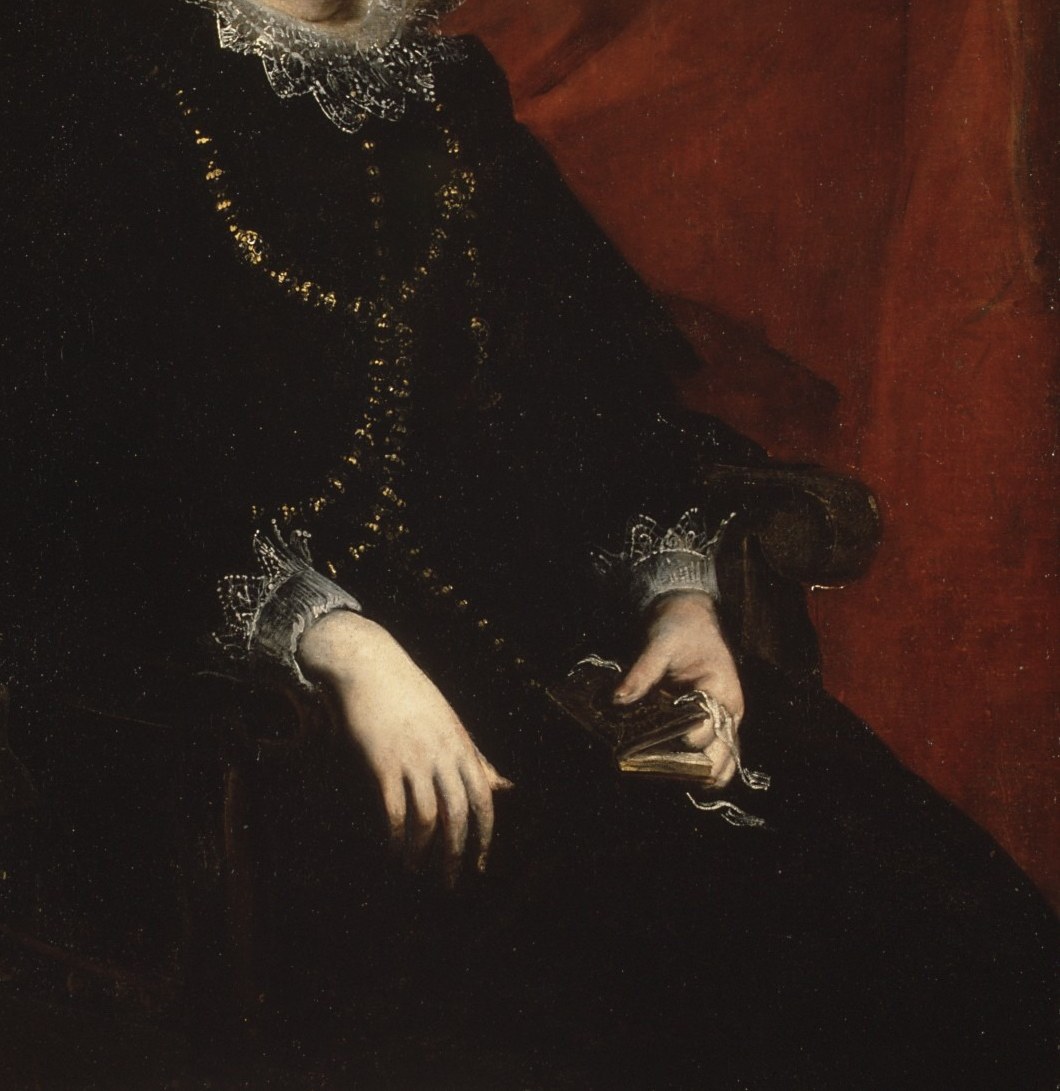
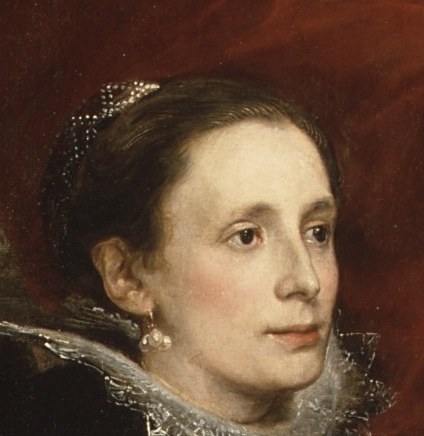
Observe the exquisite details that convey the sitter's status: the shimmering gold embroidery of her dress, the delicate lace collar, and her prominent jeweled necklace. Even the pearl earring and the book held in her hand speak to her wealth and intellectual standing. Van Dyck masterfully uses light and shadow to bring these luxurious textures to life.
Born in Antwerp, the son of a wealthy silk merchant, Van Dyck became a master painter at a young age. He worked in Peter Paul Rubens's studio before developing his own celebrated approach to portraiture, which later made him the leading court painter in England. This painting exemplifies the grandeur and detail that defined his style.
What details in her attire catch your eye the most?
Details
Transcript
This portrait dates to 1623, when the artist was just 24. She wears a jeweled necklace and a gold-embroidered dress. Her intricate lace collar showcases both wealth and skill. Even her hands, holding a book, suggest intellectual status. The artist, Anthony van Dyck, was a silk merchant's son. His mastery of light shows off every luxurious detail.