Midsummer Dance by Anders Zorn (Swedish, 1860–1920)
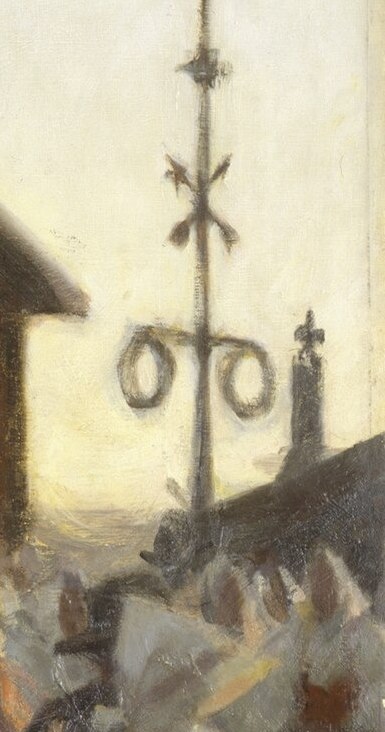
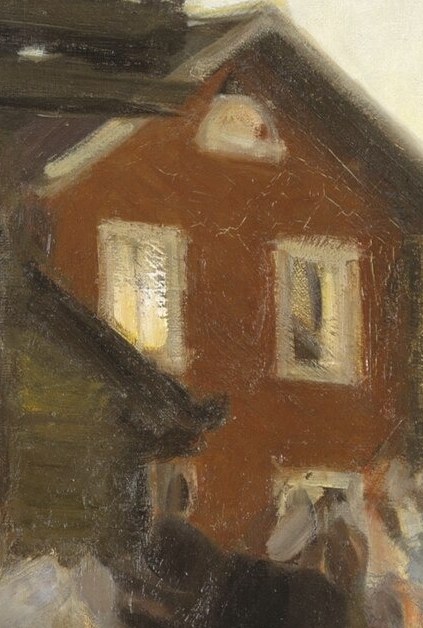
Anders Zorn's Midsummer Dance (1897) is a village celebration hiding an older ritual in plain sight. The maypole at center is a pagan fertility symbol that predates the Swedish church by centuries. This version hangs in the Nationalmuseum in Stockholm.
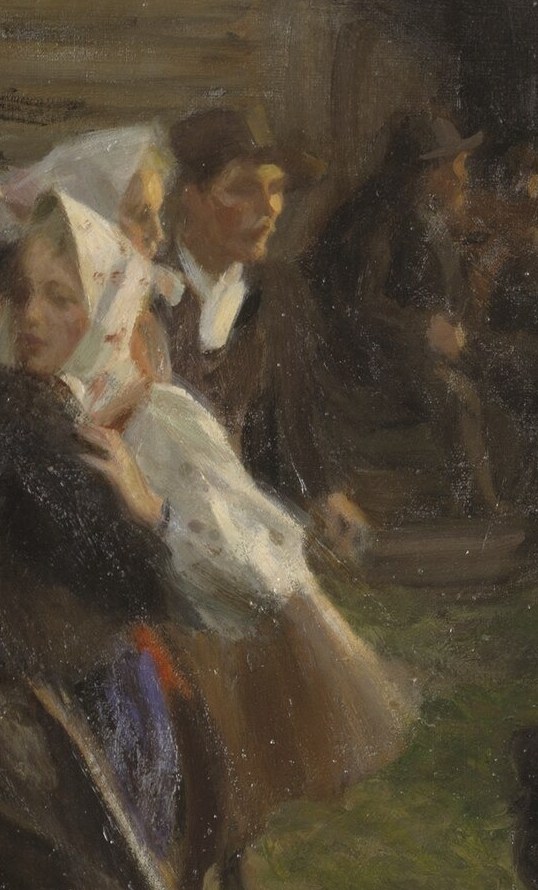
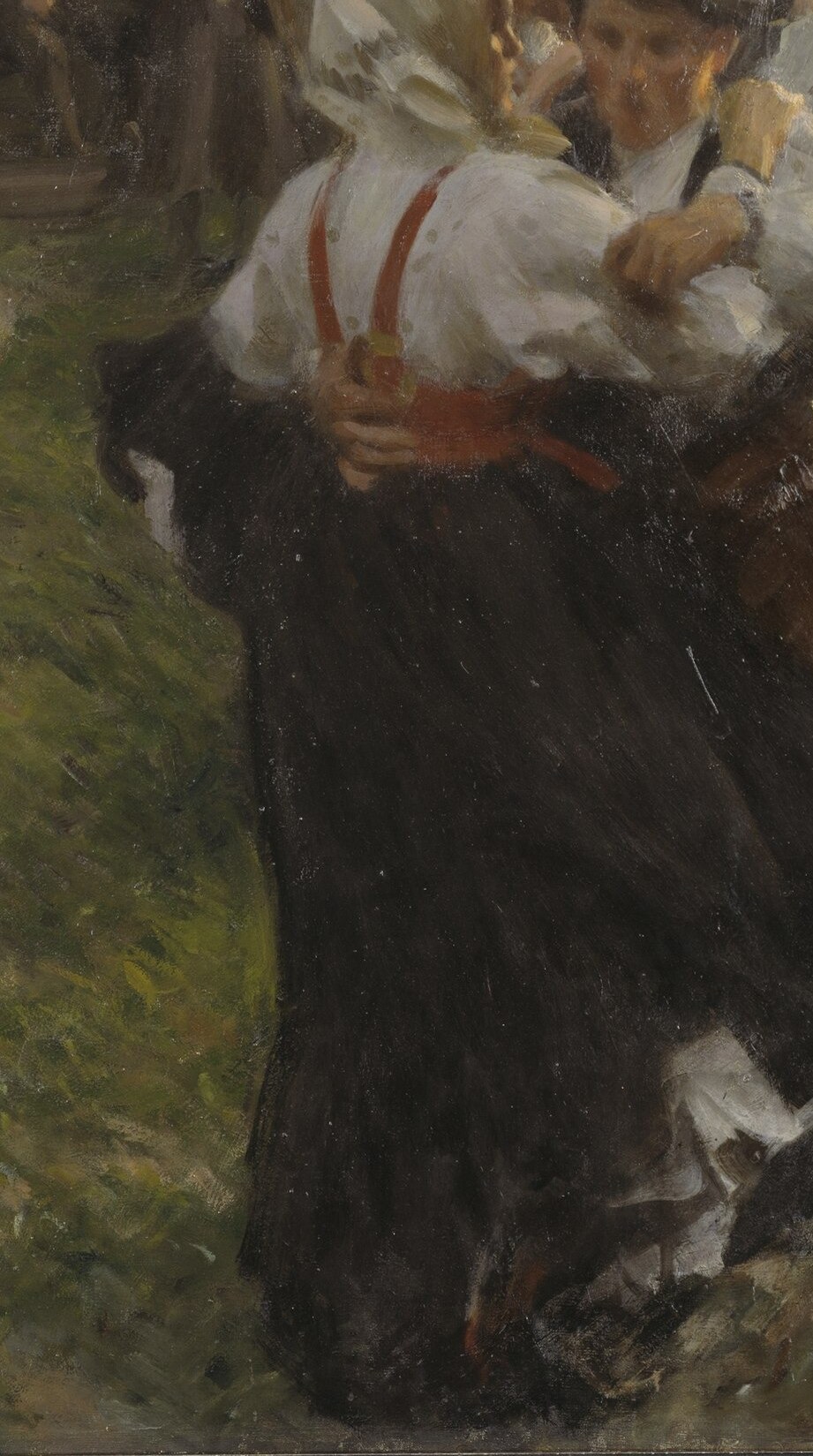
The dance around the pole is a courtship ritual. Young men and women circle in pairs, and every turn is a chance to choose a partner. White headdresses signal which women are unmarried. Zorn, Sweden's most sought-after portraitist, painted three American presidents, but he returned to this folk scene three times.
National romanticism was reshaping Scandinavian art, and Zorn found in the midsummer ritual a living connection to a pre-Christian past. What looks like nostalgia is a record of something far older, still being danced.
Details
Transcript
Sweden, 1897. The longest day of the year. This pole is older than the church. A fertility rite in plain sight. Her white headdress means she is not yet married. Around the pole the young dance in pairs. He painted this three times. The ritual outlasted him.