Landscape with a Plowed Field and a Village by Georges Michel
Georges Michel's Landscape with a Plowed Field and a Village (1835) is a remarkable oil painting, created before the Barbizon School movement officially began. Michel's dedication to depicting authentic rural scenery and his naturalistic style made him a key precursor to this influential group.
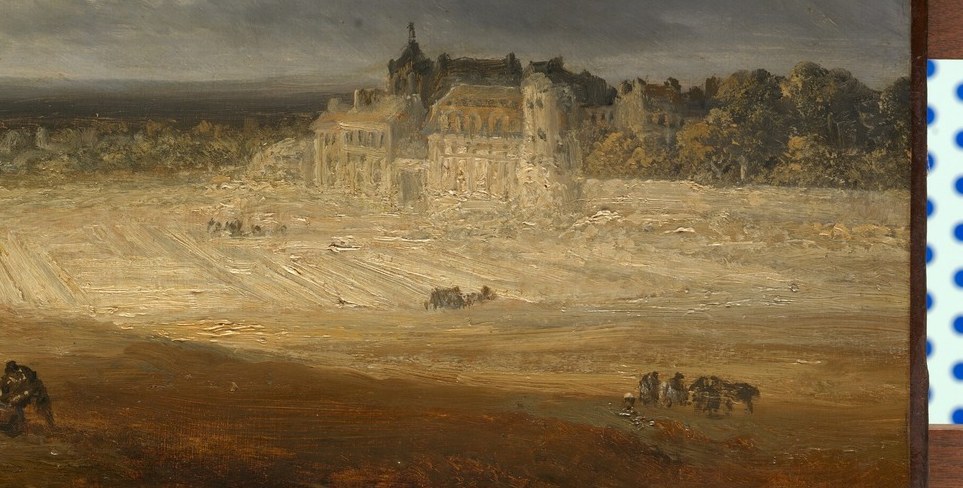
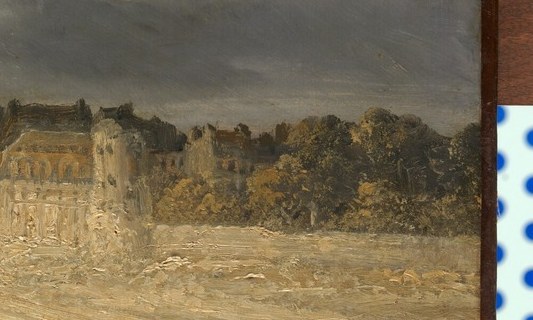
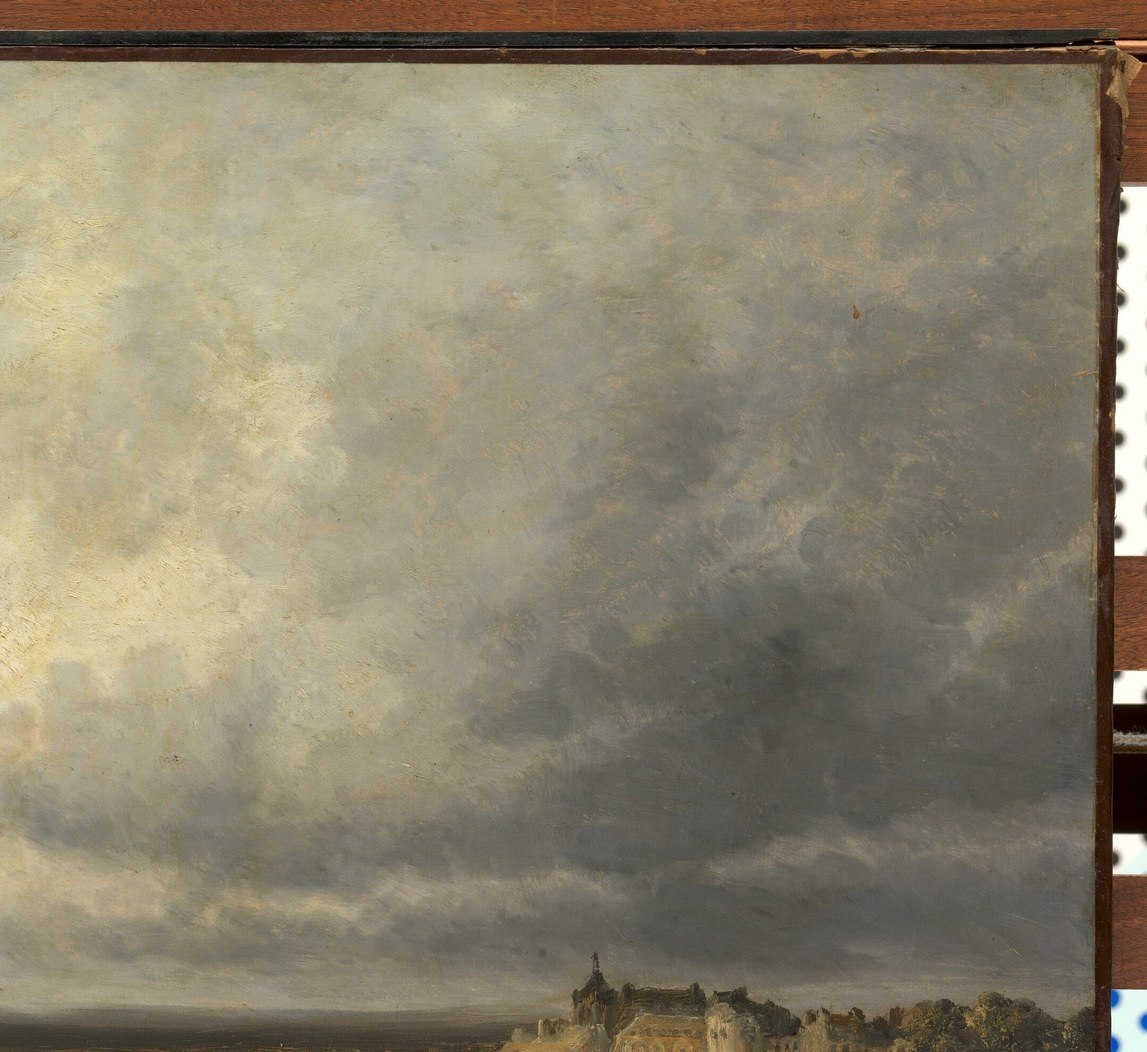
Observe the texture of the newly plowed field, the distant village nestled under a dramatic sky, and the small figures engaged in labor. Michel's loose brushwork creates a dynamic atmosphere, particularly in the sky, contrasting with the tranquility of the village below.
Created in Paris, this work exemplifies Michel's consistent focus on everyday country life. His approach laid the groundwork for the Barbizon artists who championed direct observation of nature, diverging from more academic landscape traditions.
This painting showcases the beauty of unidealized rural settings, a theme that would profoundly influence later landscape painters.
Details

Transcript
This is Georges Michel's Landscape with a Plowed Field. He painted it in 1835, before the Barbizon School. Look at the freshly plowed field in the foreground. See the small figures working across the land. The village buildings seem quiet under this sky. Michel's loose brushwork makes the sky feel alive. He pioneered naturalistic rural scenes.