Family scene by Caspar Netscher
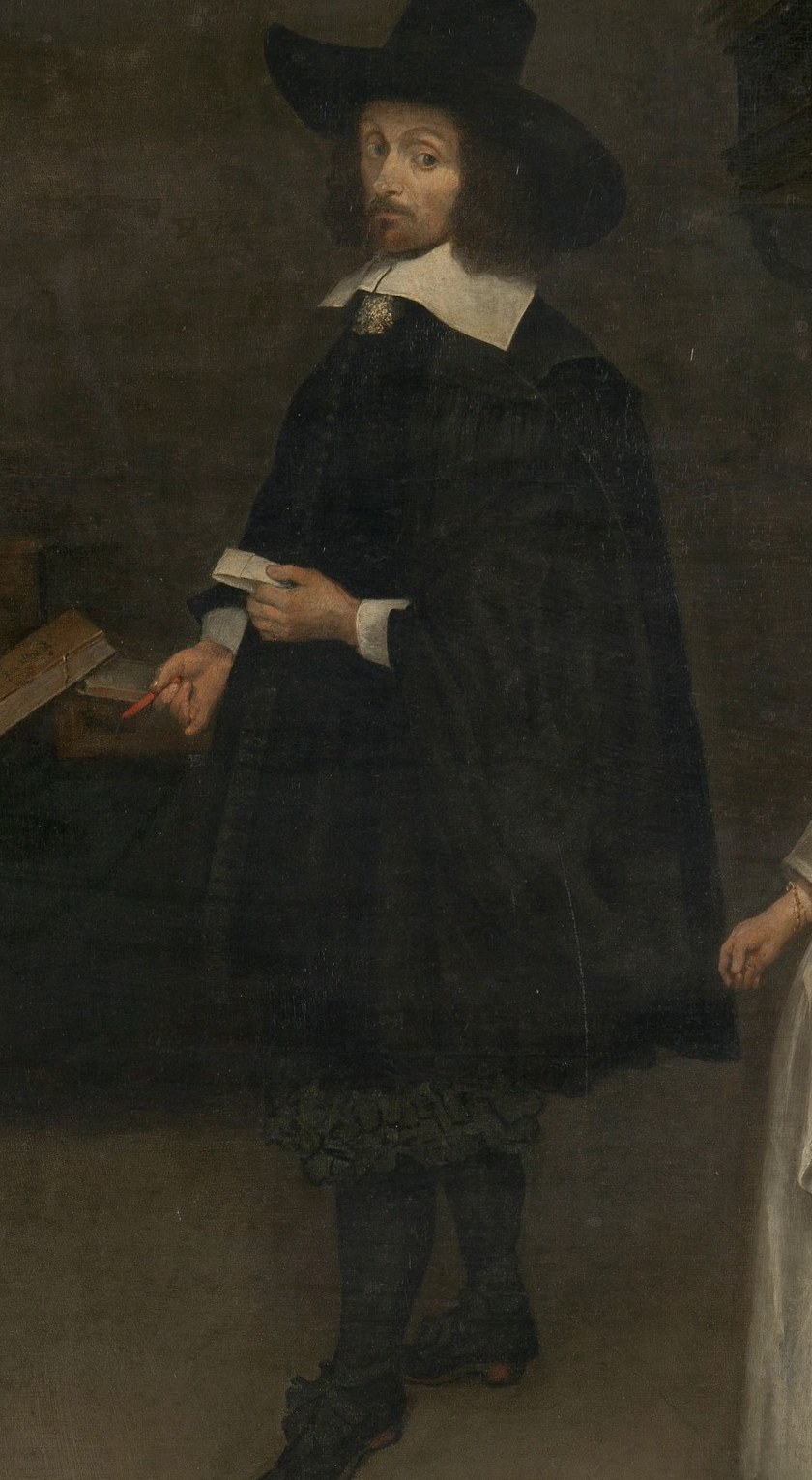
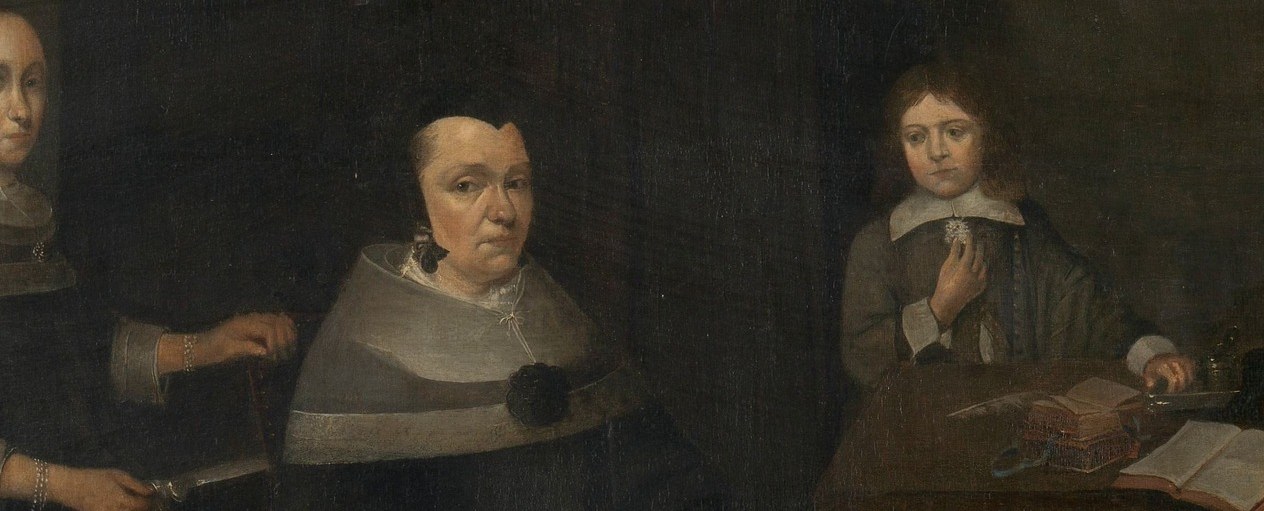
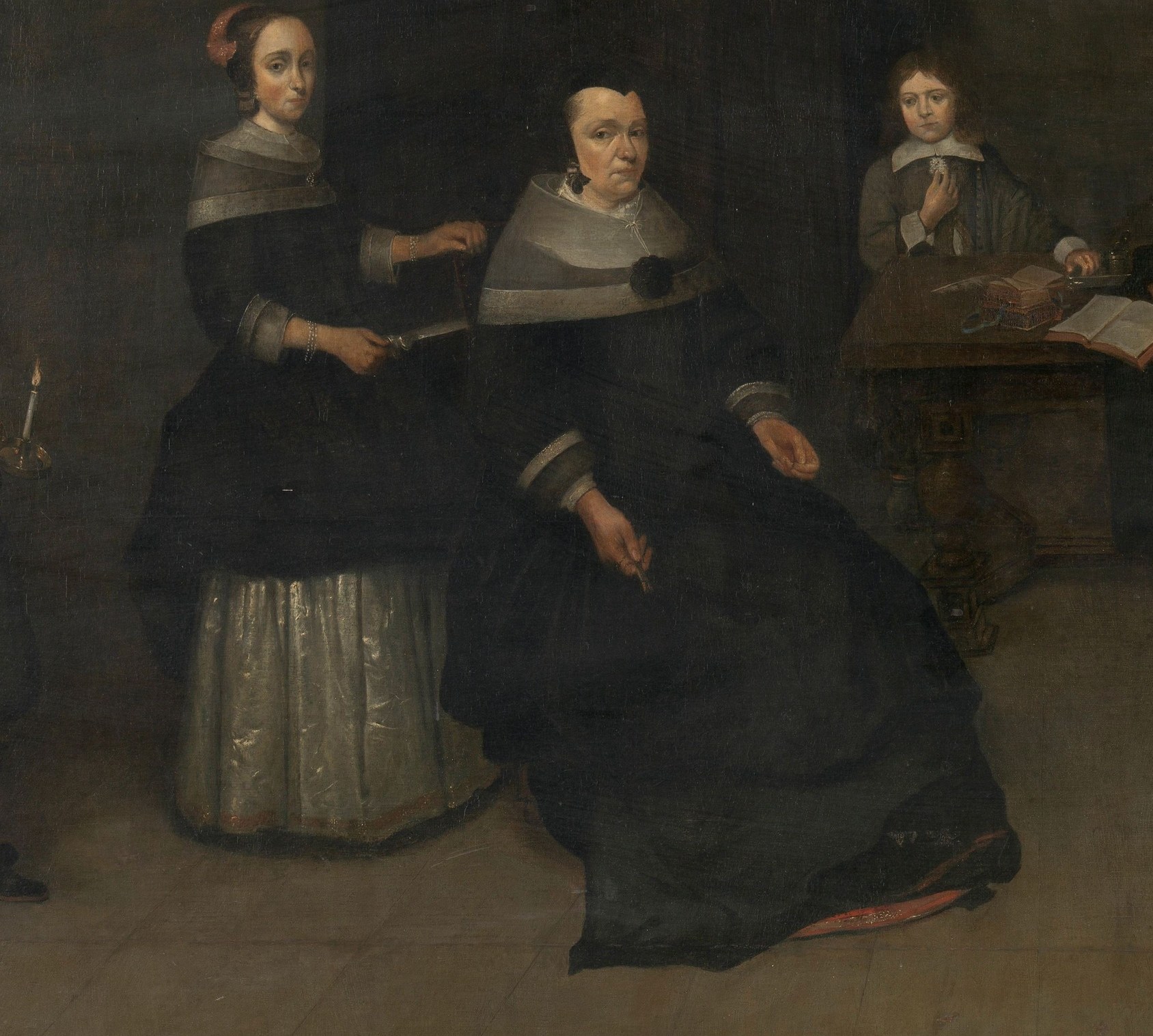
Caspar Netscher’s "Family scene" from around 1650, now at the Rijksmuseum, is more than just a portrait; it's a carefully constructed narrative of status and values.
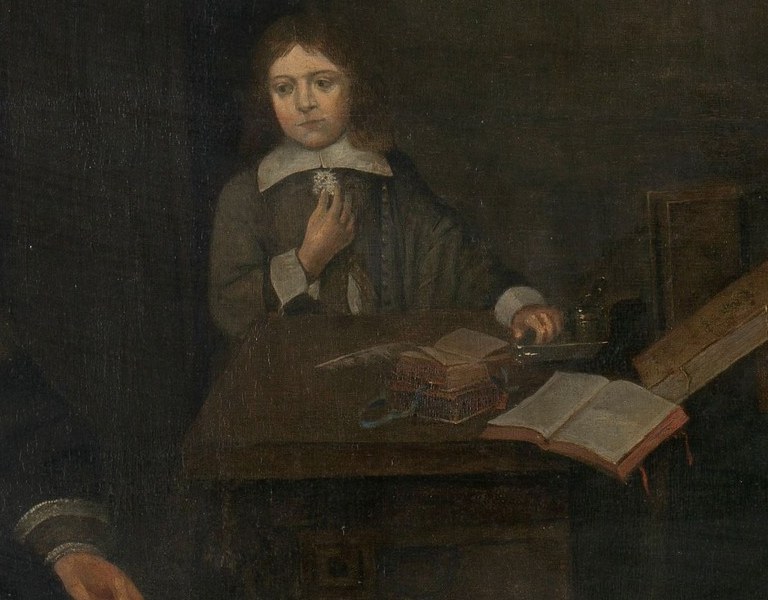
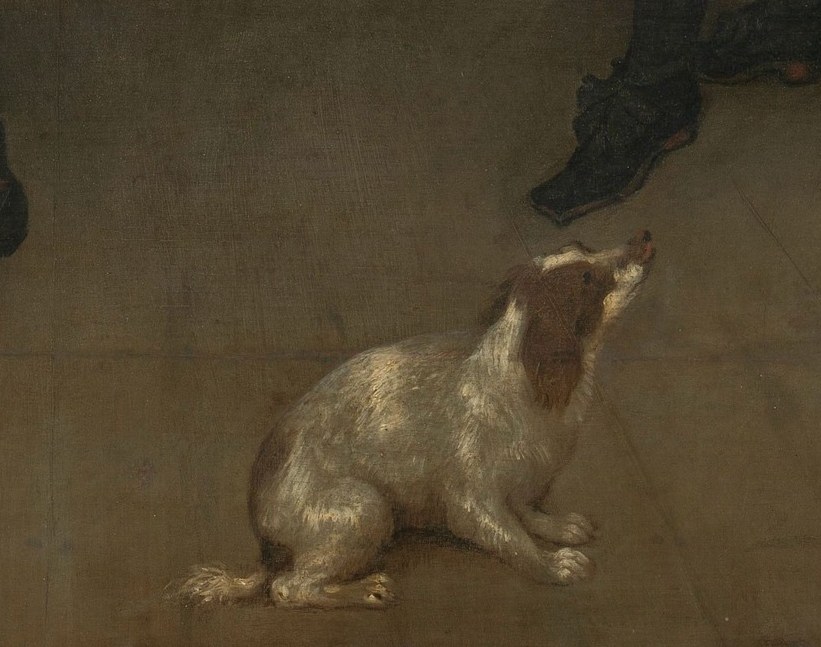
Look closely at the details: the document held by the man signifies his authority and wealth, while the books on the table emphasize the family’s commitment to education. Even the small dog, often a symbol of loyalty, reinforces the domestic harmony.
Netscher, a Dutch master, was celebrated for his ability to render luxurious fabrics and intricate details, a skill evident in the woman's elaborate collar and the dog's adorned one. His technique of chiaroscuro, using dramatic light and shadow, draws our eyes to the family’s faces and clothing, intensifying the intimate atmosphere.
This painting offers a fascinating glimpse into the aspirations and daily life of a prosperous 17th-century Dutch family. What other subtle messages do you notice?
Details
Transcript
This Dutch family scene, painted around 1650, is full of clues. The man holds a document, a common sign of his authority and status. Books on the table show the children are being educated. The small dog, with its patterned collar, symbolizes loyalty and companionship. The painter, Caspar Netscher, specialized in depicting rich fabrics and detail. Together, these elements paint a picture of prosperity and domestic harmony.