The Man-of-War Brielle on the River Maas off Rotterdam by Ludolf Bakhuizen
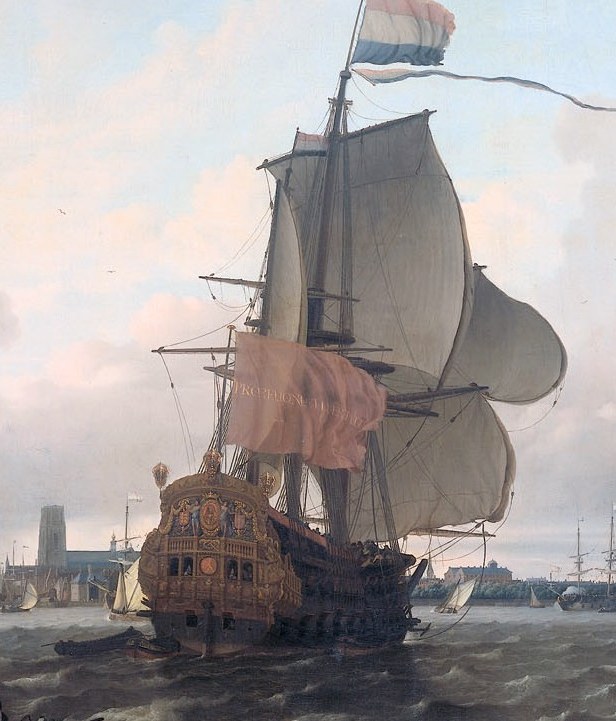
Ludolf Bakhuizen became the leading Dutch painter of maritime subjects after 1672, and his virtuoso technique is on full display in *The Man-of-War Brielle on the River Maas off Rotterdam*, painted in 1689 and now in the Rijksmuseum.
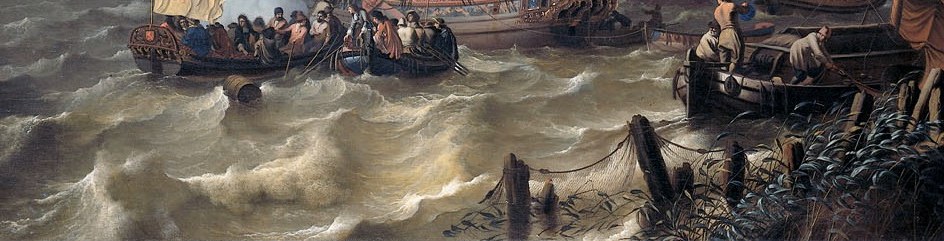
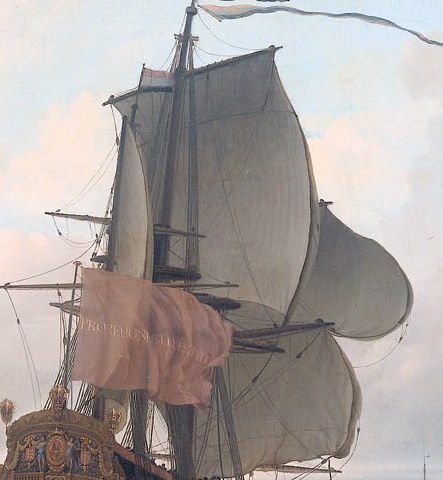
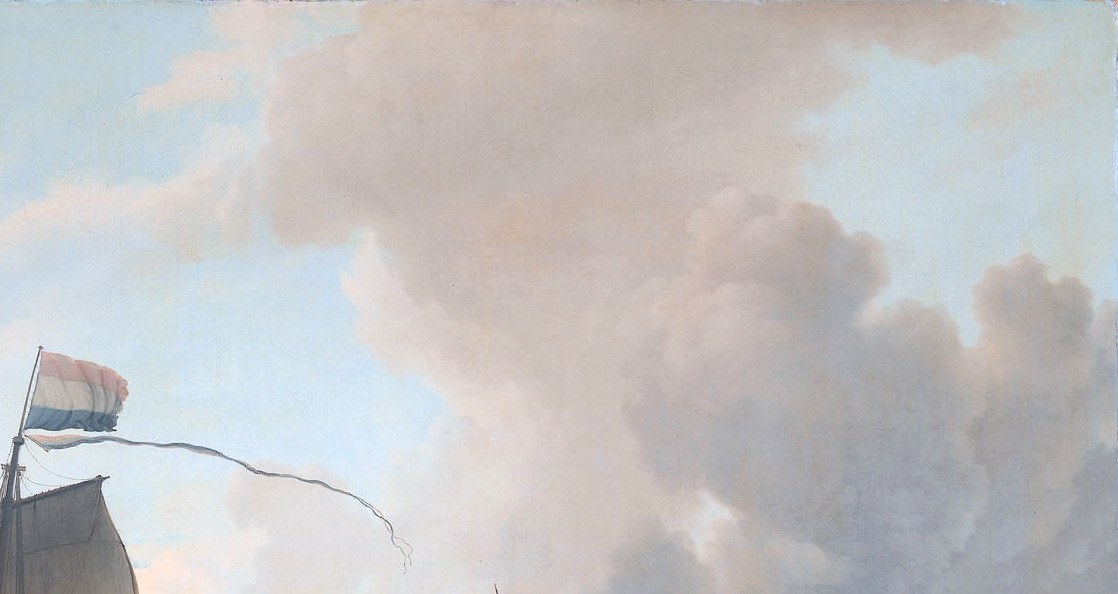
Bakhuizen's skill lies in his ability to convey movement and light through vigorous brushwork. Look closely at the churning waves in the foreground, the way light catches the flags, and the textured rendering of the partially furled sails. The dramatic, illuminated clouds add a sense of atmosphere that feels incredibly real.
This painting captures the strategic importance of Rotterdam's waterways during the Dutch Golden Age, a period when maritime trade and military readiness were crucial to Dutch prosperity. Bakhuizen's detailed ships, like the prominent 'Brielle', showcase the naval power of the era.
What detail in this painting truly makes you feel the power of the sea?
Details
Transcript
This painter was the master of Dutch maritime scenes. He captures the sheer power of the sea in churning waves. Notice the light hitting the main warship's flag. His brushwork makes sails look like actual canvas. No one painted stormy, illuminated skies like him. It feels like you're right there on the river Maas in 1689.