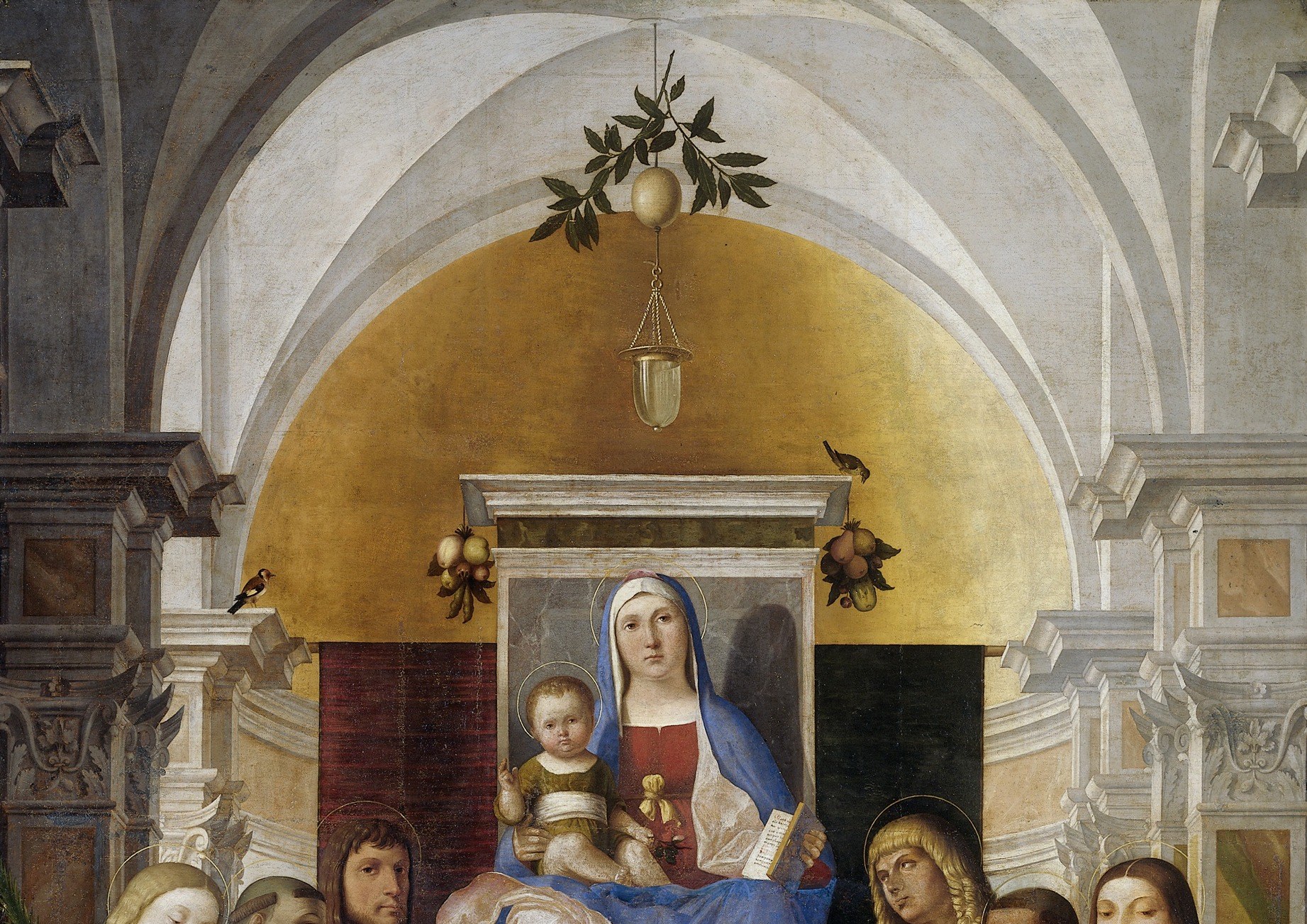
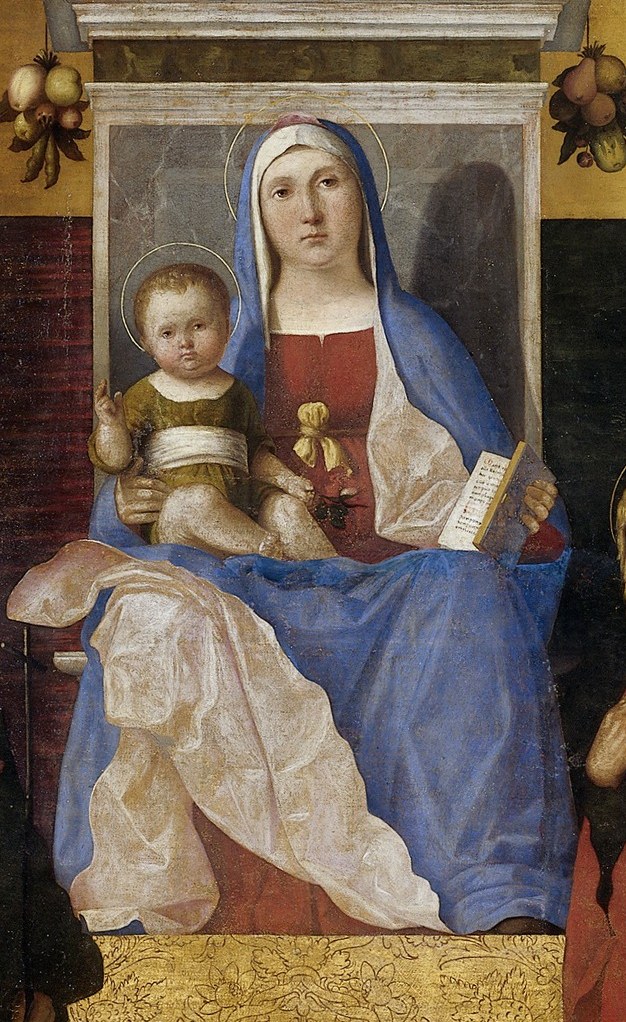
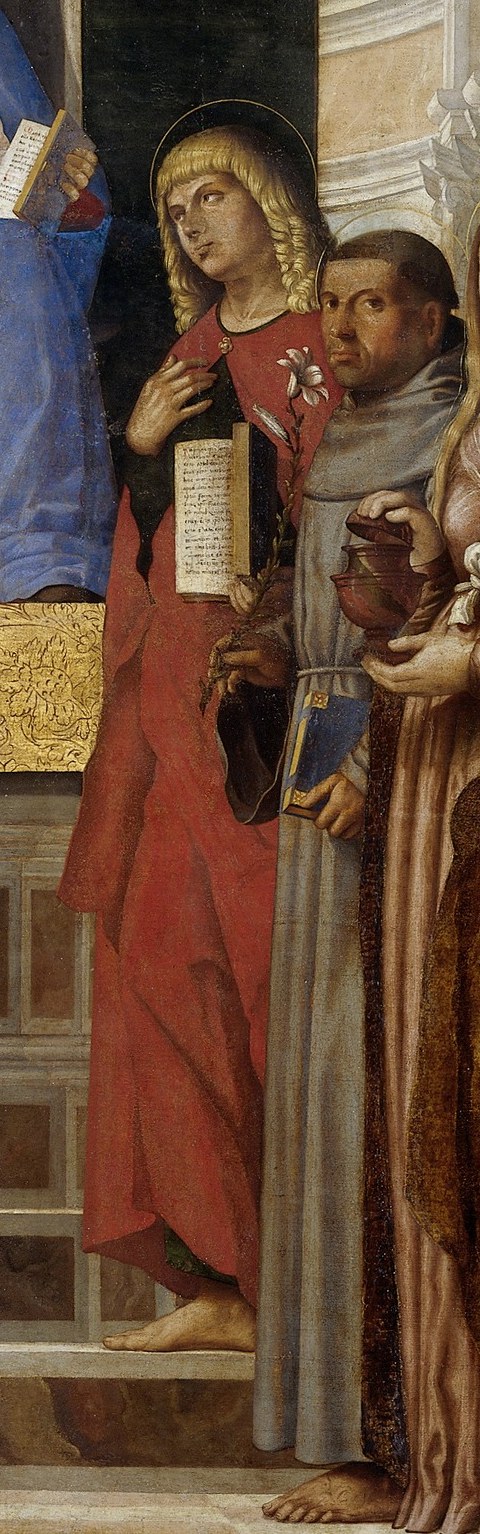
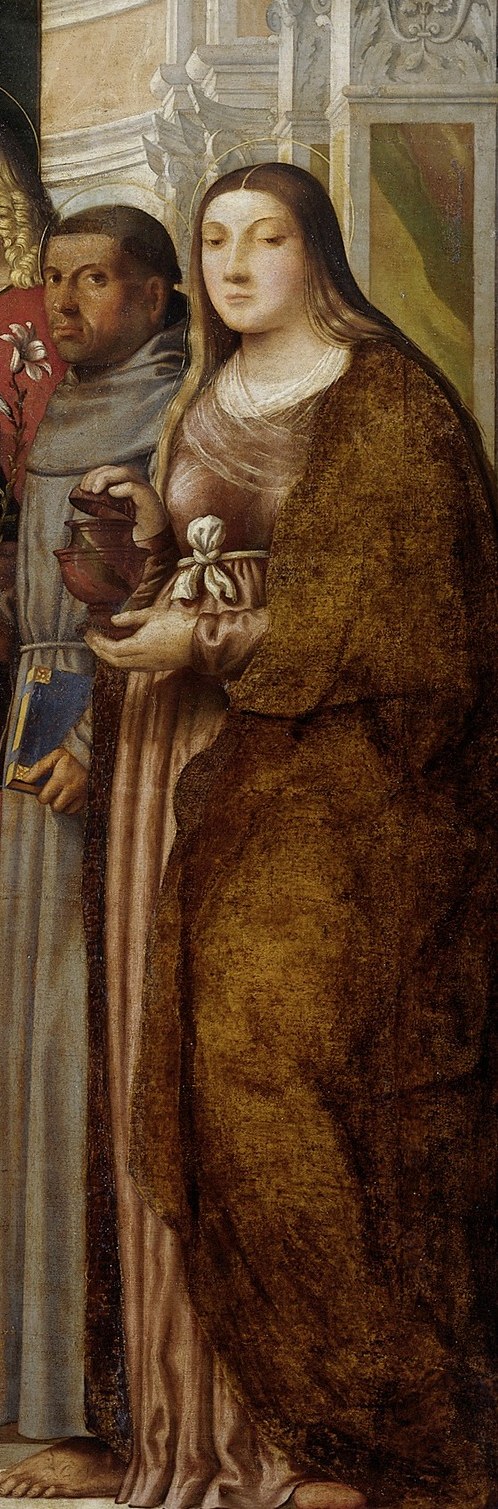
Virgin and Child with Saints Catherine, Francis, John the Baptist, Mary Magdalene, Antony of Padua, John the Evangelist by Marcello Fogolino
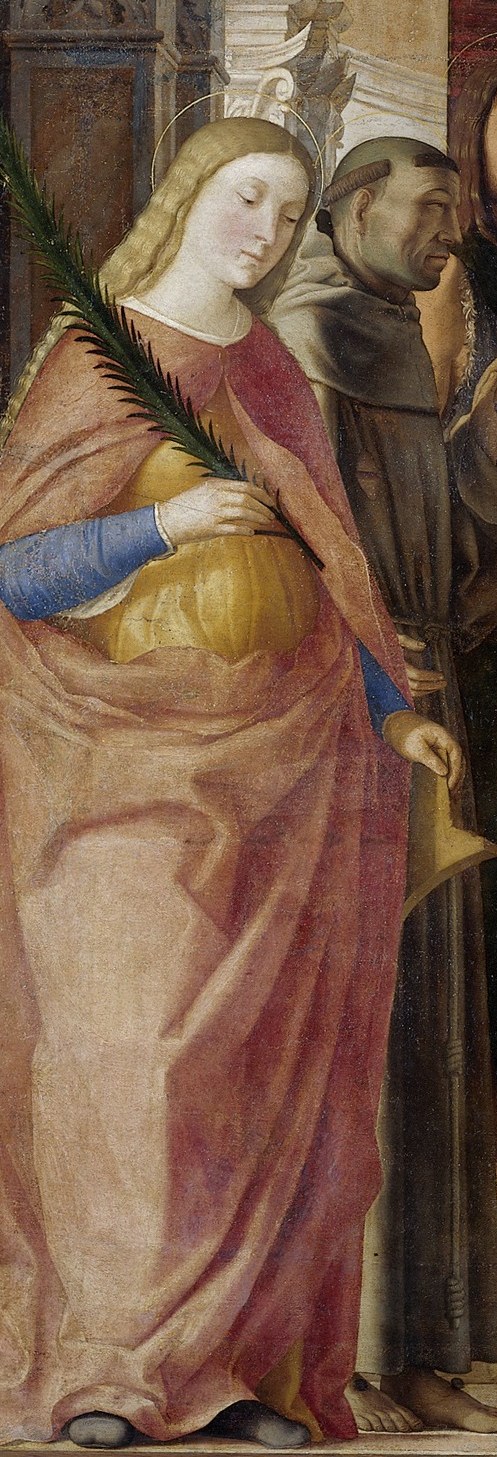
Behind the serene beauty of Marcello Fogolino's "Virgin and Child with Saints Catherine, Francis, John the Baptist, Mary Magdalene, Antony of Padua, John the Evangelist" (1515), currently held at the Rijksmuseum, lies a hidden history of crime and espionage involving its creator.
Look closely at the figures, painted with a calm palette of blues, reds, and golds, typical of the Mannerist style. While his artwork depicted divine tranquility, Fogolino's personal life was anything but peaceful.
In 1527, Fogolino and his brother were banished from Venetian territories for their involvement in a murder. They sought refuge in Trento, where they eventually became informants for the Venetian Republic. This clandestine service ultimately secured their return to the Veneto region, allowing Fogolino to continue his artistic career.
It's a striking contrast between the sacred art and the dramatic life of the artist. Does knowing this history change how you view the painting?
Details
Transcript
This peaceful scene was painted by a man on the run. In 1527, the painter was banished for complicity in a murder. He and his brother fled to Trento, finding protection with a bishop. But they became informants for the Venetian Republic. This secret service earned them a return to Venice. His art, however, remained serene and divine.