Cervara Polyptych by Gerard David
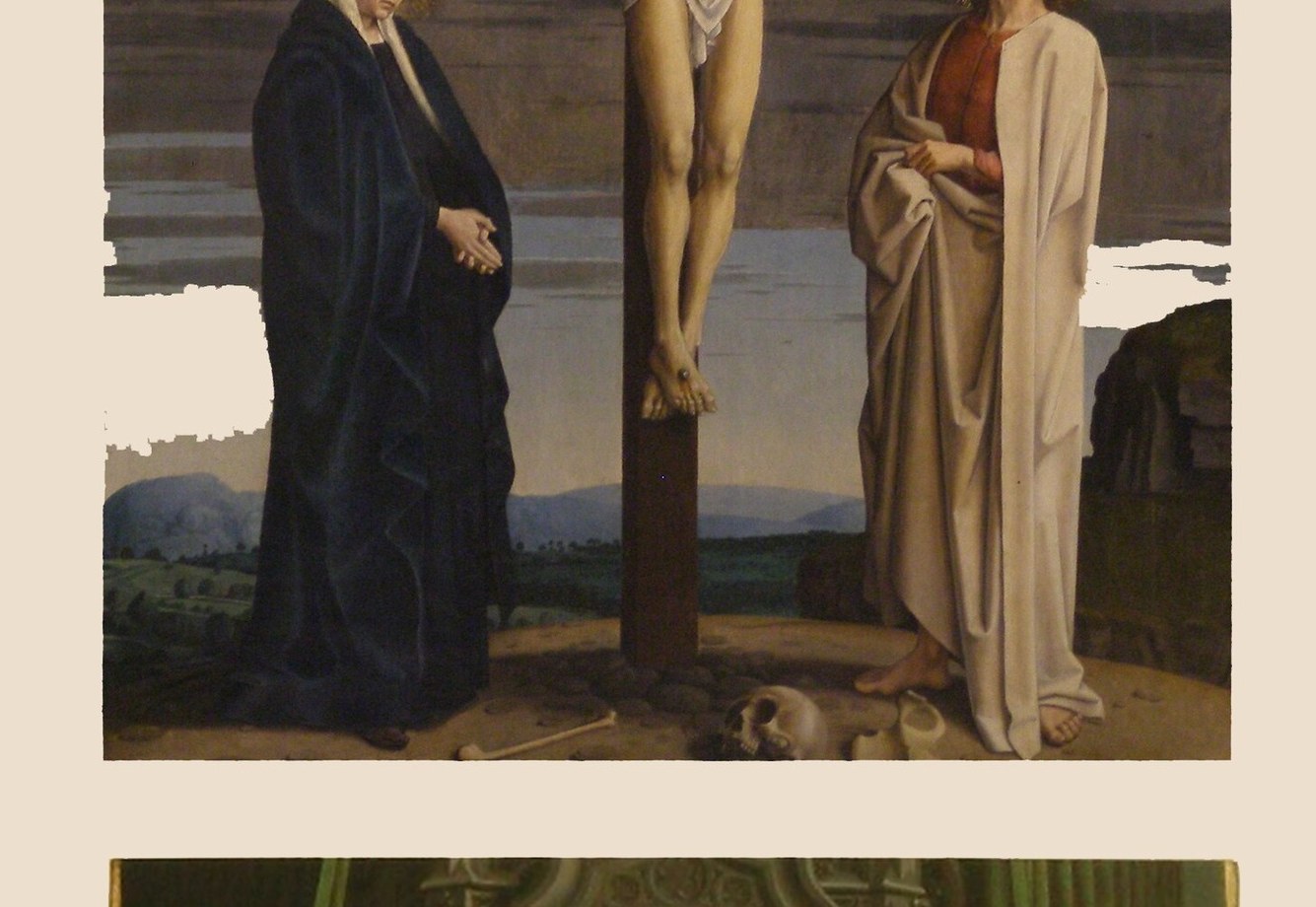
The Cervara Polyptych by Gerard David, painted around 1500, is a towering altarpiece that holds a chromatic secret in plain sight. Housed in Liguria's Cervara Abbey, this multi-panel work is a rare example of an Italian monastery commissioning a Flemish master during the height of the Renaissance, bridging two distinct artistic worlds.
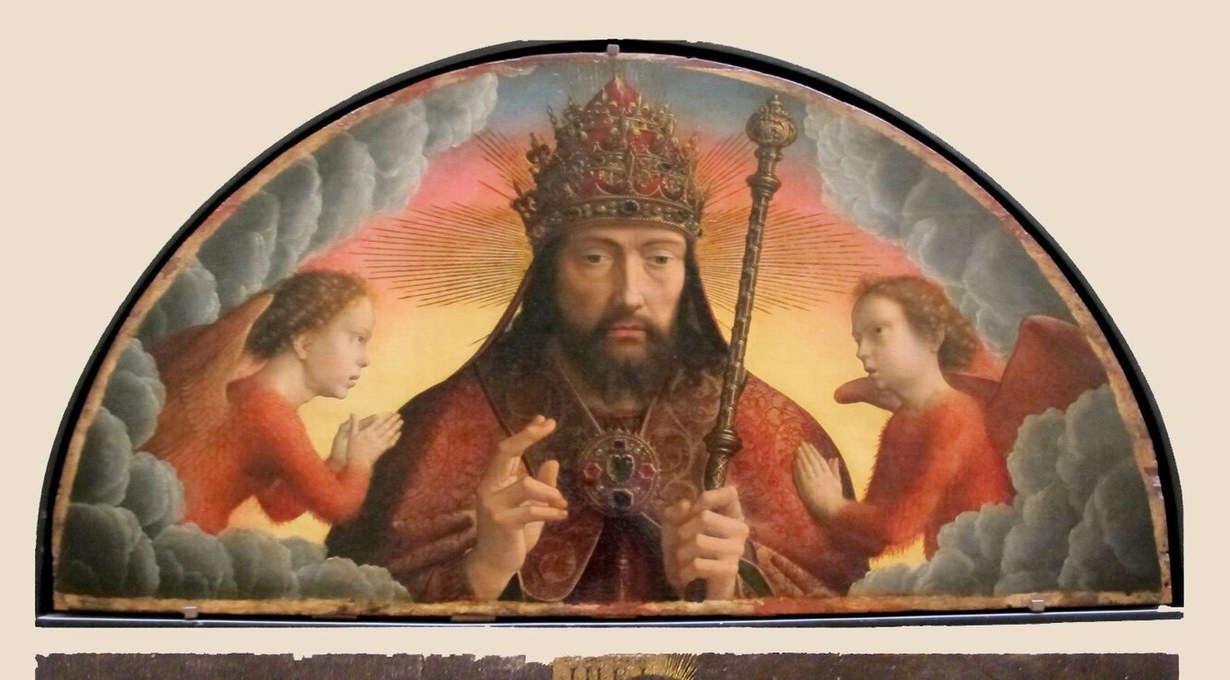
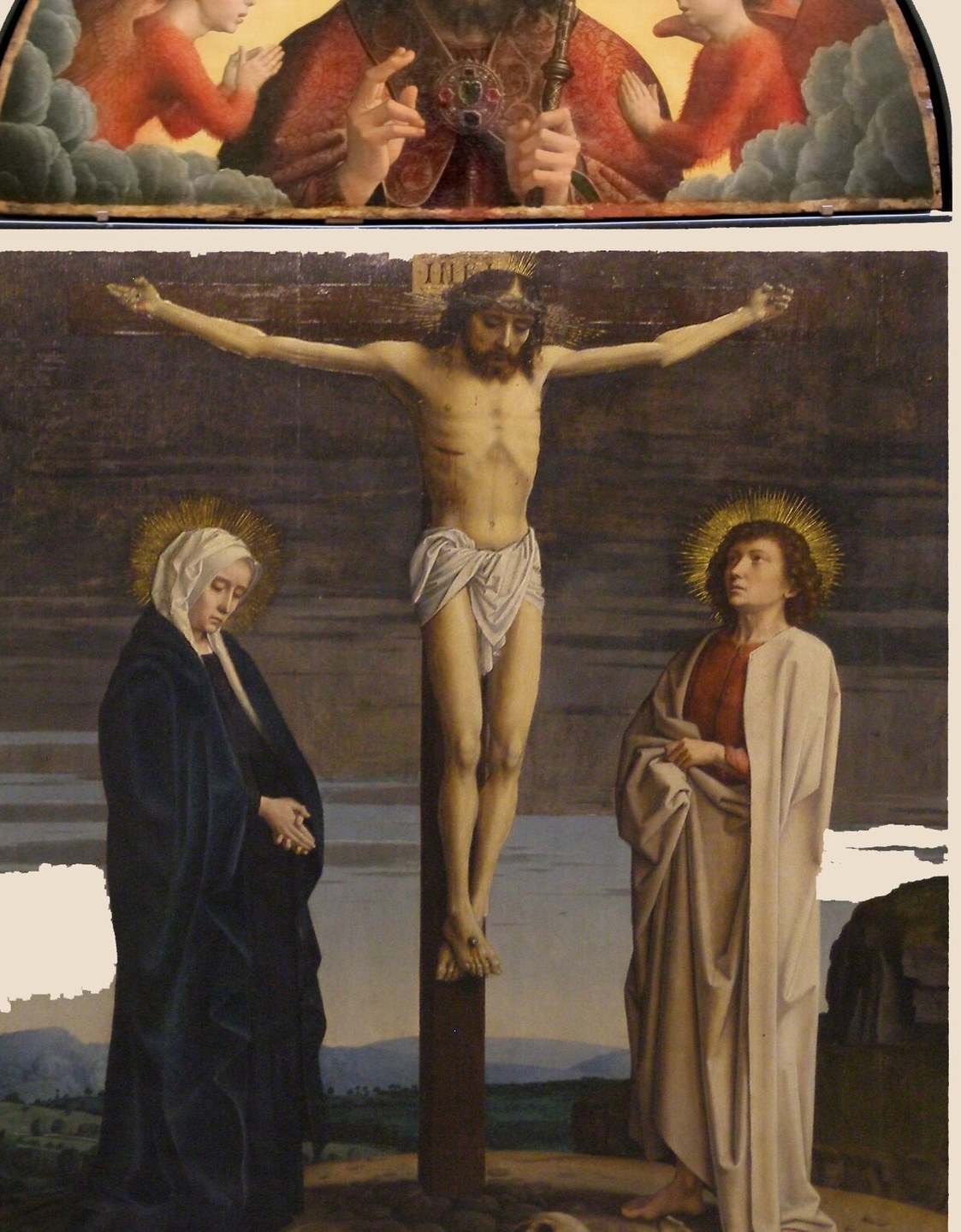
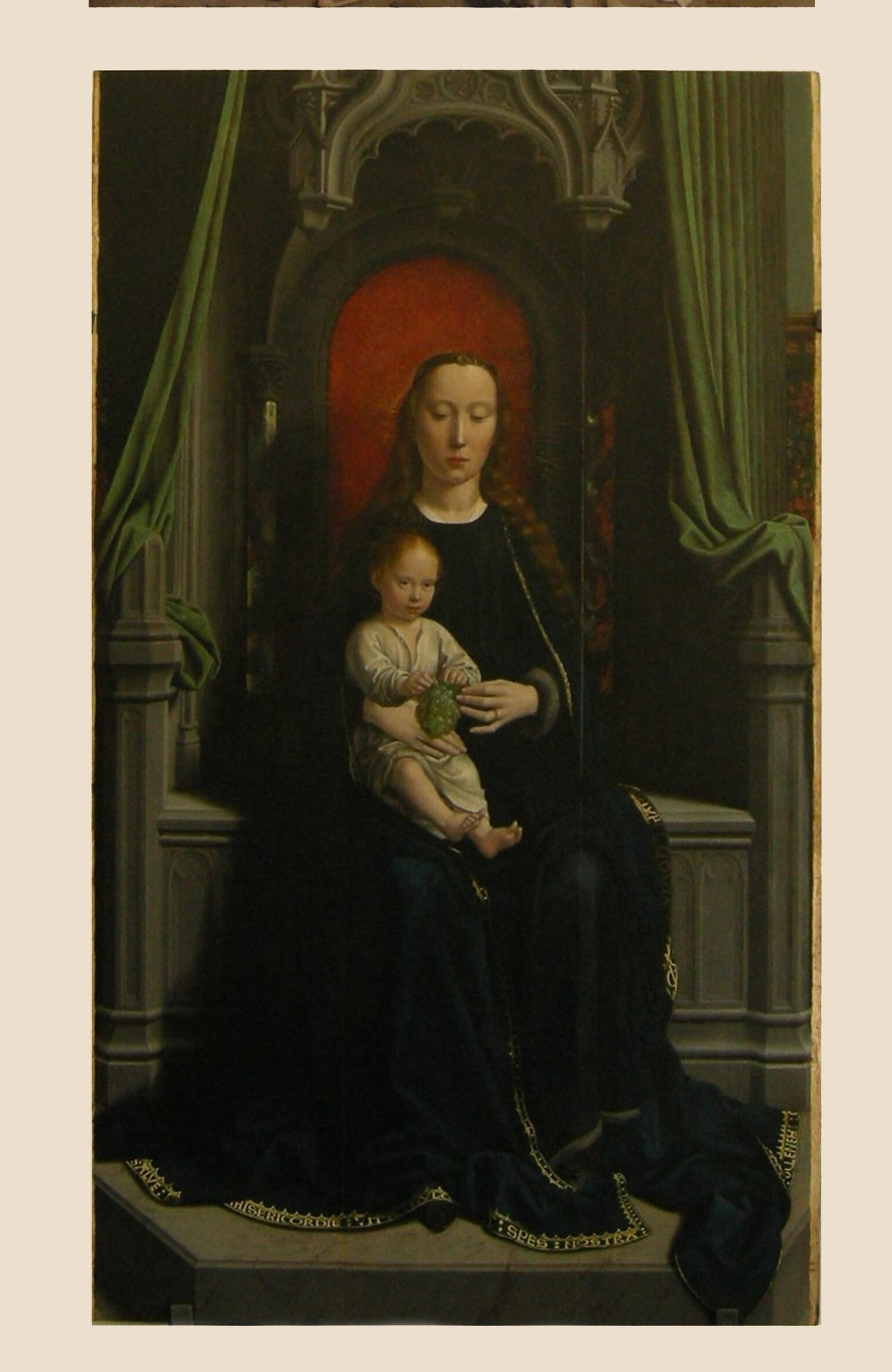
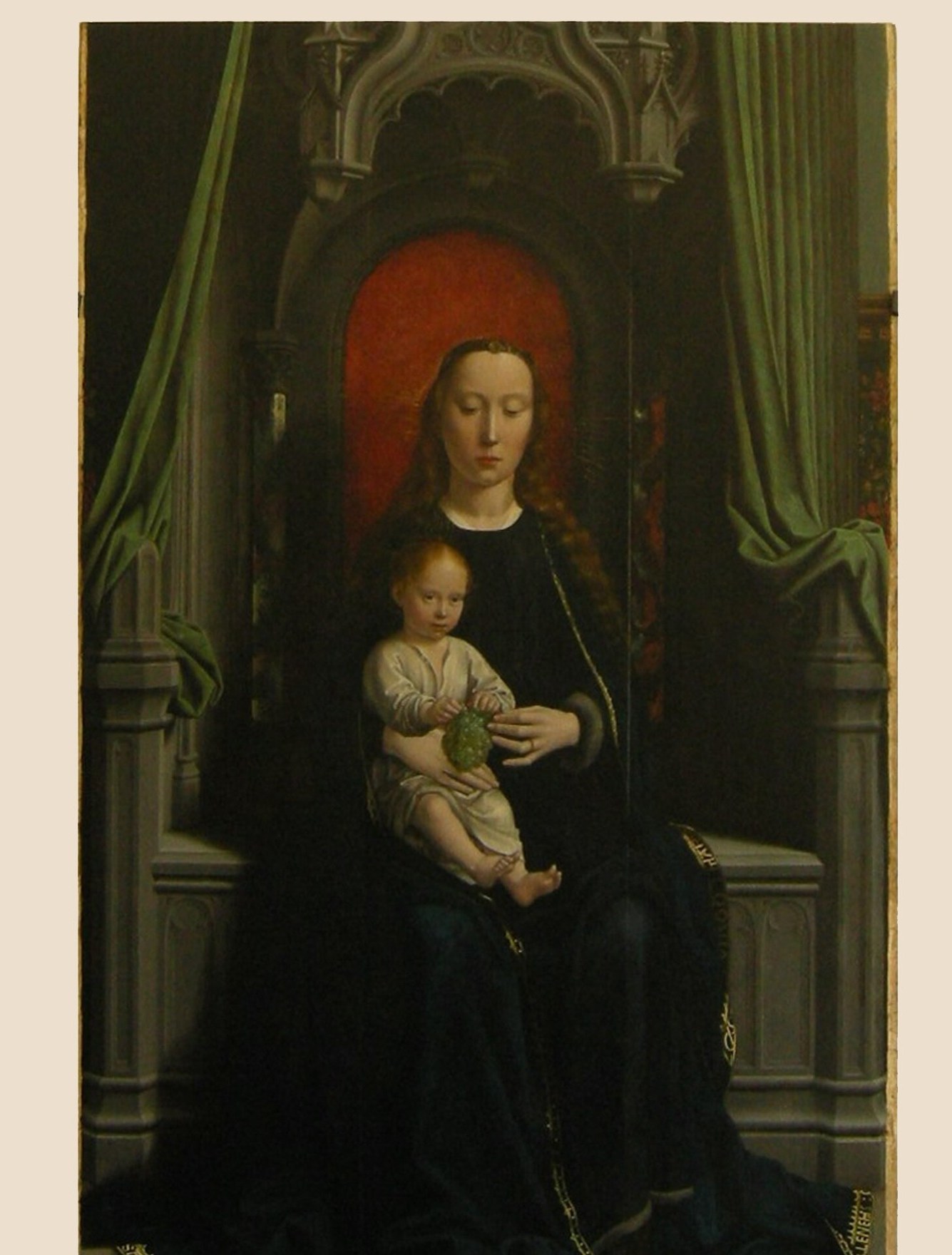
To see the secret, you have to read the altarpiece vertically. At the peak, God the Father overlooks Christ on the cross in the center. Drop to the bottom register, and the mood shifts to a serene Madonna enthroned with the infant Christ. The contrast seems absolute until you notice the deep red canopy behind her. That red is not just a backdrop; it is the liturgical color of Christ's Passion, a hidden link between the Madonna's quiet chamber and the suffering above.
Gerard David ran workshops in Bruges and Antwerp, famed for his brilliant color sense and precise Flemish naturalism. His reputation faded in the 17th century until a 19th-century revival pulled his work back into the light. The Cervara commission proves his appeal crossed borders, with the abbey seeking out his particular brand of devotional intensity.
Next time you stand before an altarpiece, follow the color. The palette often maps a theological journey you might scroll right past.
Details
Transcript
Start at the very top of this towering altarpiece. God the Father presides, witnessing the sacrifice below. Now drop to the center: a crucifixion of Flemish precision. This was painted by Gerard David for a monastery in Italy, around 1500. An Italian abbey chose a Northern artist. Cross-cultural taste. At the bottom, the Madonna and Child in quiet serenity. Now look behind her: that saturated red canopy. The color of the Passion. A single thread linking the cradle to the cross.