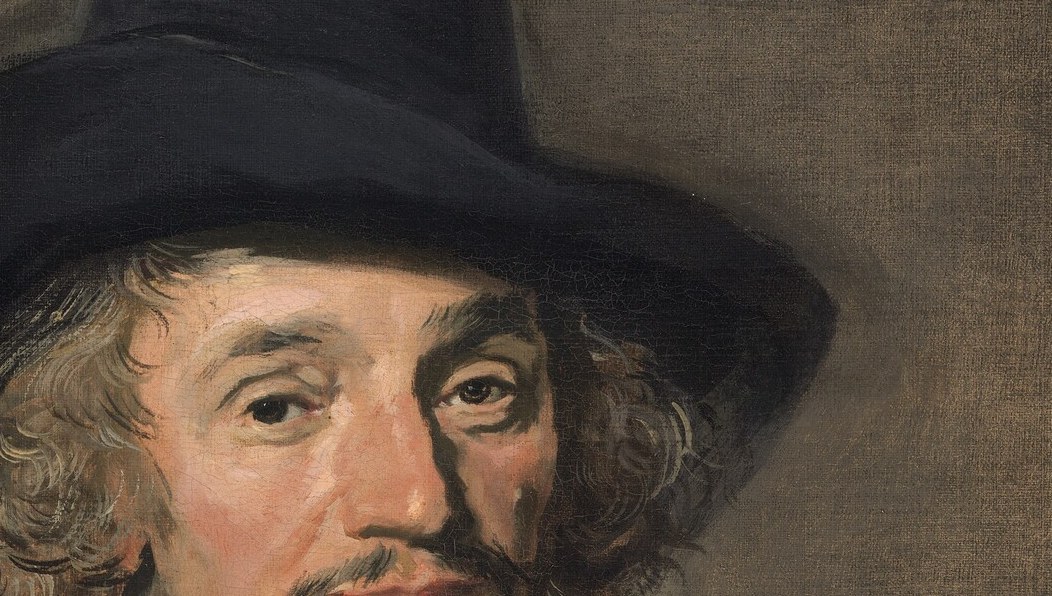
Portrait of a Gentleman by Hals, Frans
This striking "Portrait of a Gentleman" by Frans Hals, painted between 1650 and 1652, offers a precise visual document of Dutch merchant fashion during the Golden Age. Hals, a leading artist based in Haarlem, was renowned for his expressive portraits that brought his sitters to life.
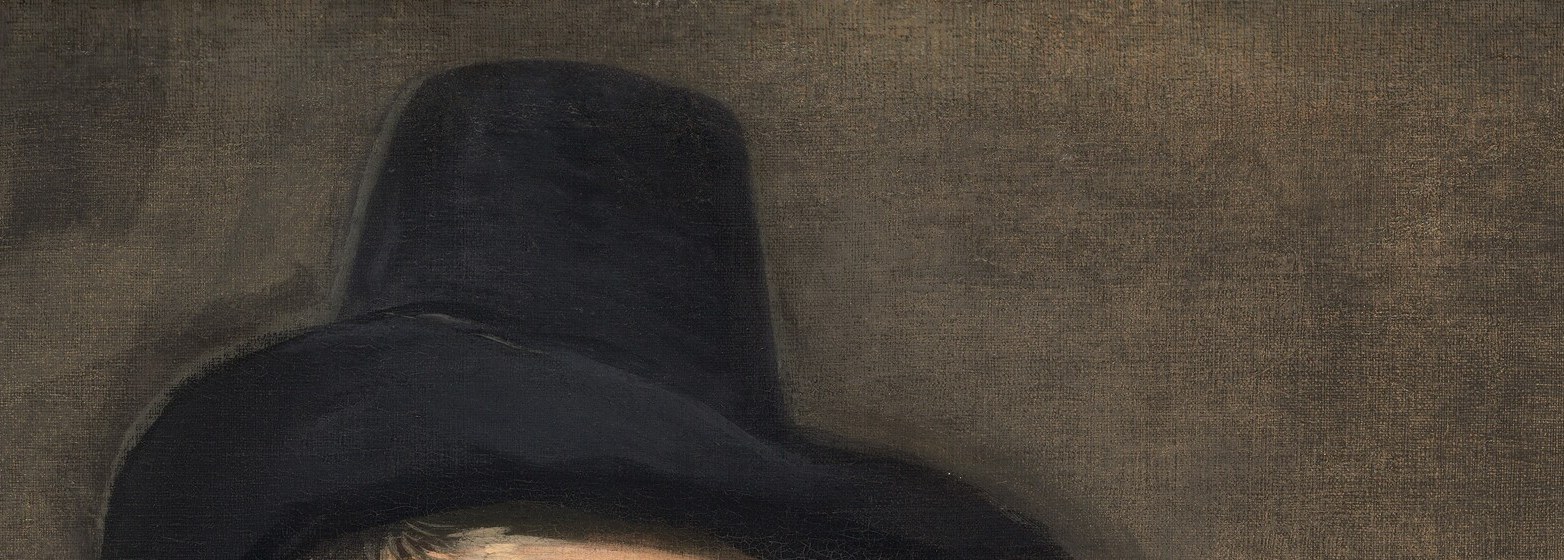
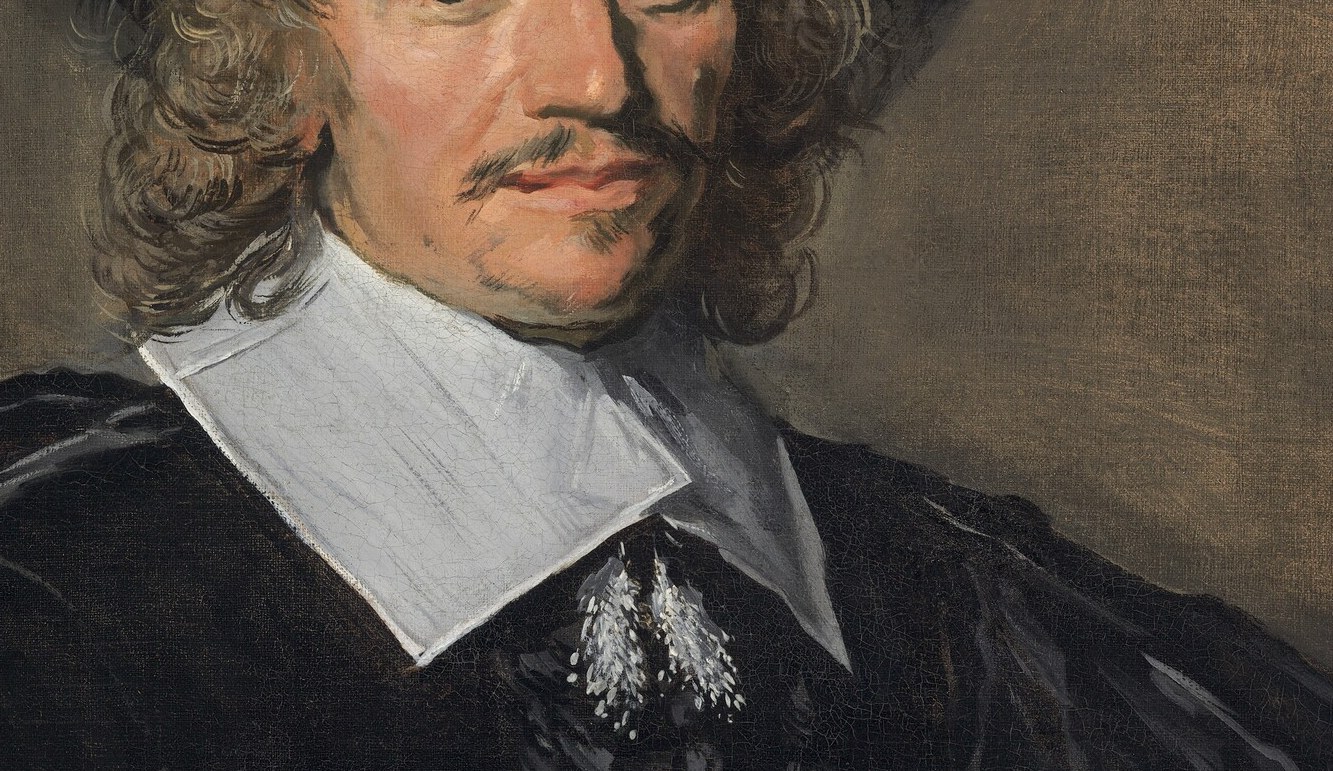
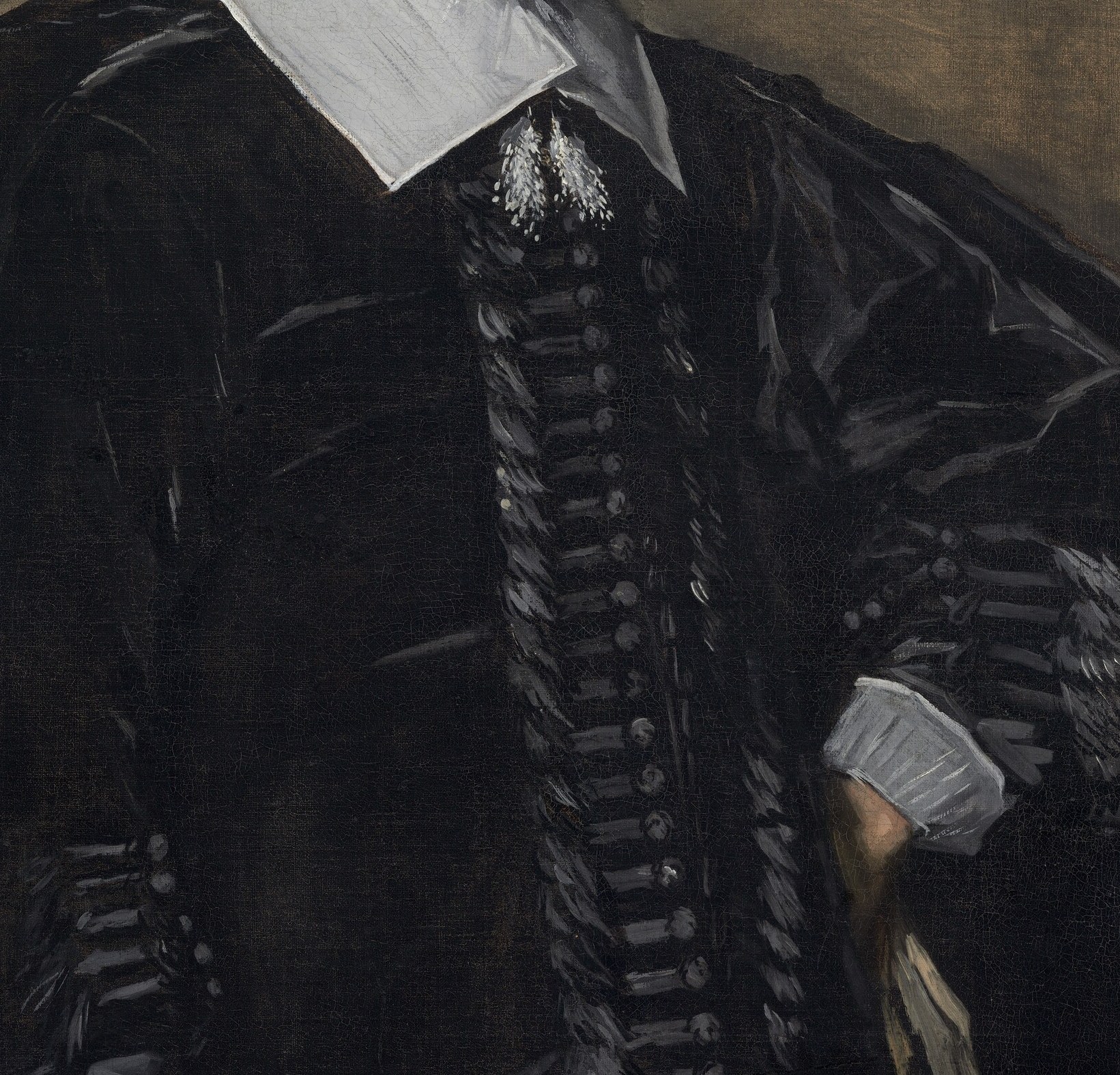
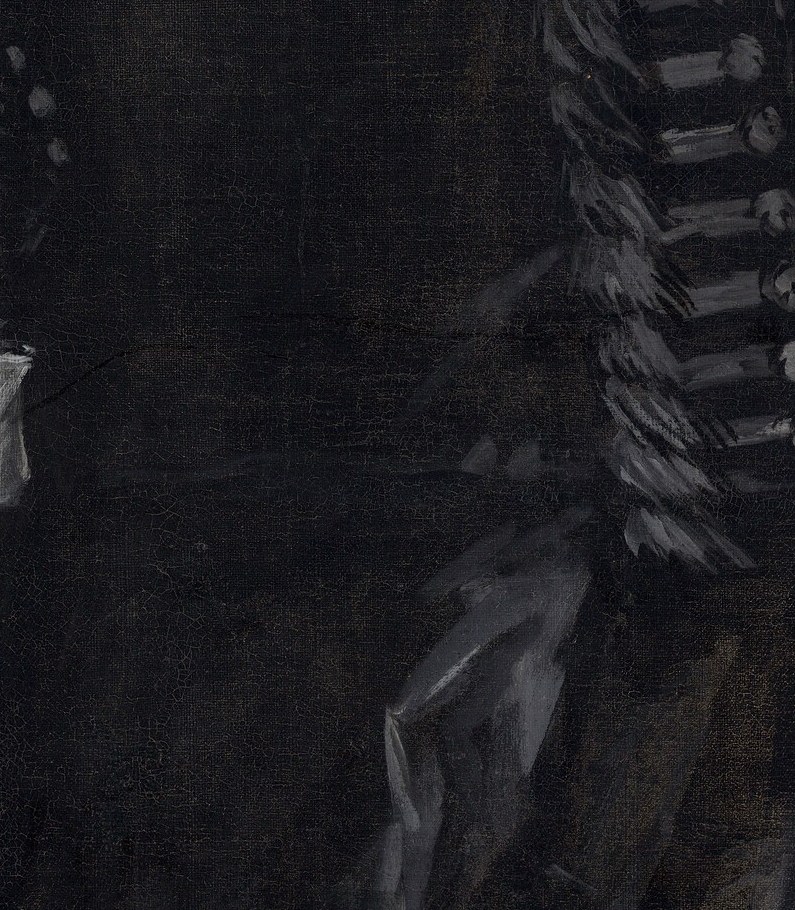
Observe the details of his attire: the broad-brimmed hat, a marker of a prosperous burgher, and the meticulously starched white falling collar, which signaled significant social status through its expensive linen and the labor required to maintain it. Hals's technique shines through in the loose, vibrant brushstrokes that define the silk doublet and the subtle rendering of his hands, conveying movement and vitality.
Hals was highly sought after by wealthy patrons, including merchants and civic groups, for his ability to capture vivid likenesses. His approach emphasized a lively impression over minute details, a characteristic that made his portraits feel incredibly immediate and psychologically engaging. Notice how his eyes directly engage the viewer, creating a sense of a real person rather than a stiff, idealized pose.
This painting provides a unique window into the visual culture and social aspirations of the prosperous Dutch Golden Age. What details in his expression or clothing do you find most telling about this gentleman?
Details
Transcript
This gentleman shows off 1650s Dutch merchant style. A broad-brimmed hat announced a prosperous burgher. His starched collar of fine linen marked social status. The painter used loose brushwork on the silk doublet. He renders hands with economy and lively movement. His eyes engage you, like a real person, not a pose. Frans Hals captured his clients' confident, serious character.