Penn's Treaty with the Indians by Hicks, Edward
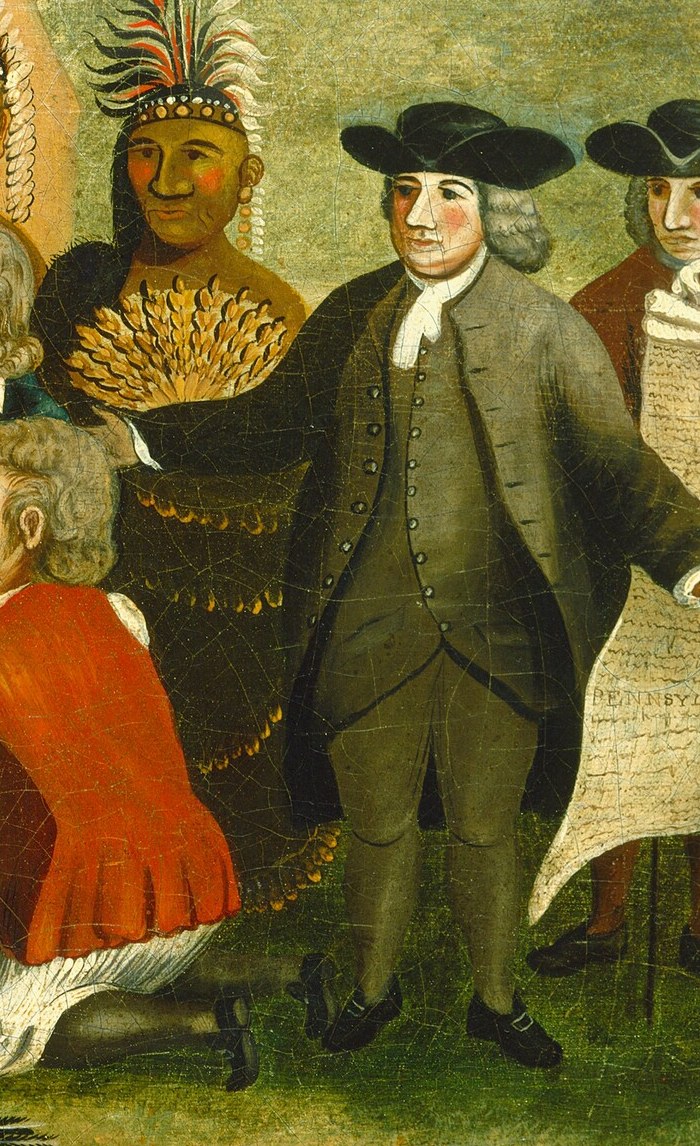
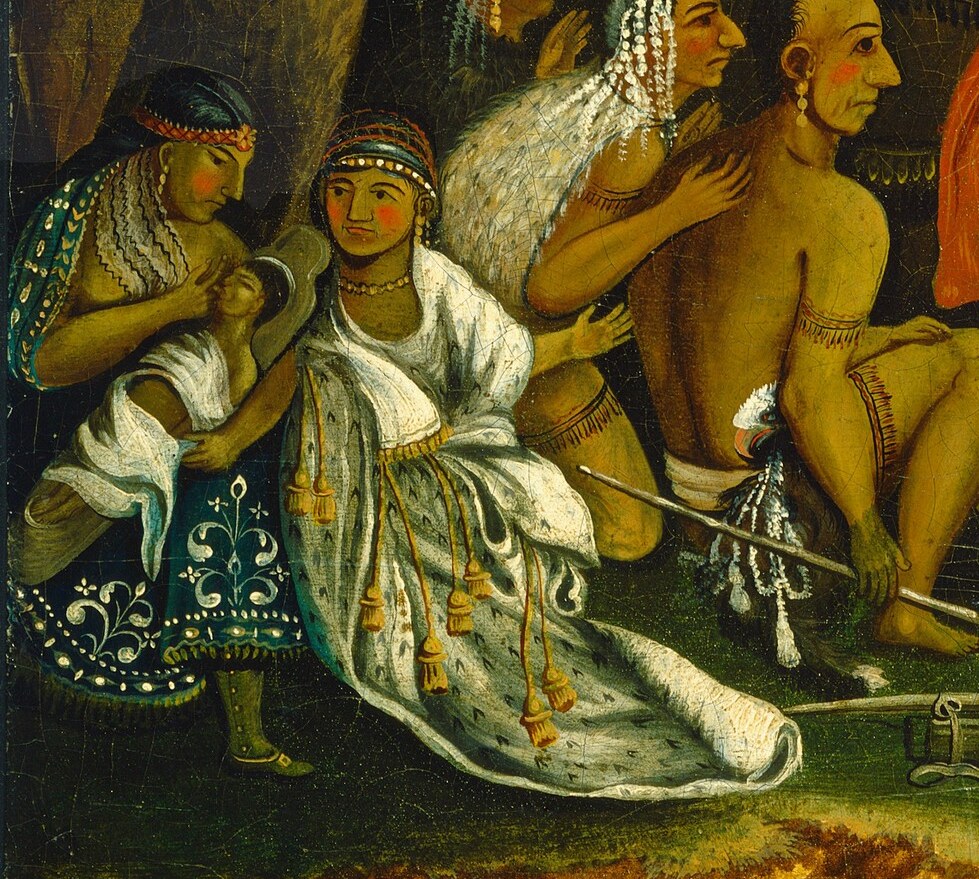
Edward Hicks painted "Penn’s Treaty with the Indians" around 1842, and it now hangs in the Smithsonian American Art Museum. Most viewers see exactly what the title promises: a peaceful handshake between William Penn and the Lenape people, surrounded by colonists and a grand elm tree.
The composition directs your eye to the central handshake and the bright document Penn holds. But the real key to the painting sits low, near the bottom edge, almost hidden by the figures. A small turtle rests on the ground. Hicks didn’t include it as decoration; the turtle is a profound symbol in Lenape creation stories, representing the earth itself, stability, and life.
Hicks was a Quaker minister from Pennsylvania who believed deeply in peace between settlers and Indigenous nations. By placing the turtle at the feet of both groups, he grounded his treaty scene in a Native American understanding of the land they shared. He signed the bottom with an inscription claiming the treaty was "never broken," though history tells a far more complicated story.
Next time you see this painting, take a moment to find the turtle. It’s a quiet detail that speaks louder than the handshake.
Details

Transcript
America’s founding myth of peace, painted in the 1840s. William Penn meets the Lenape under an elm tree. The painter was a preacher who turned every canvas into a sermon. But he hid a detail that changes the story. Look down, at the ground between them. A turtle. In Lenape belief, the world rests on a turtle’s back.