Ignis Fatuus - Zurumati by Catlin, George
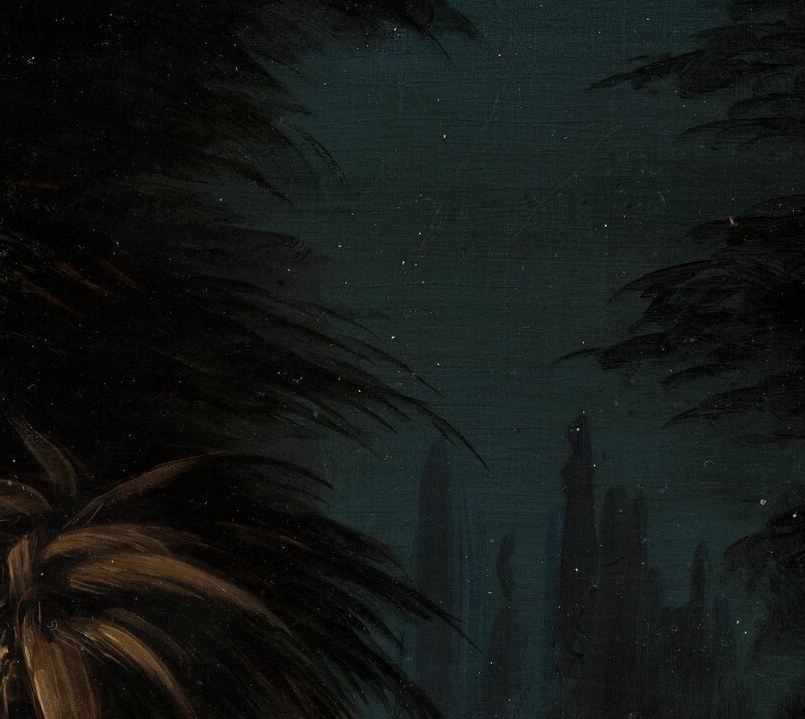
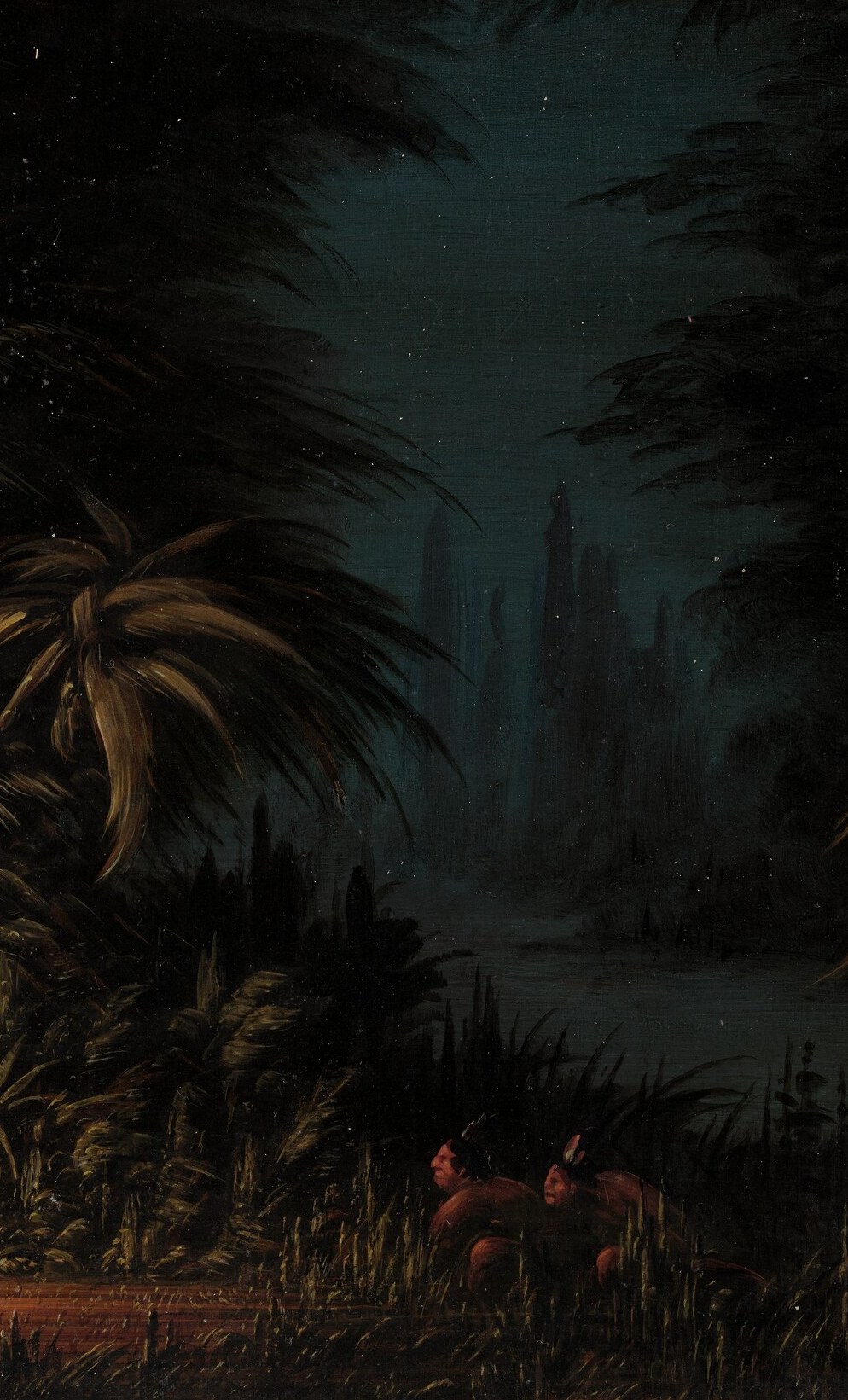
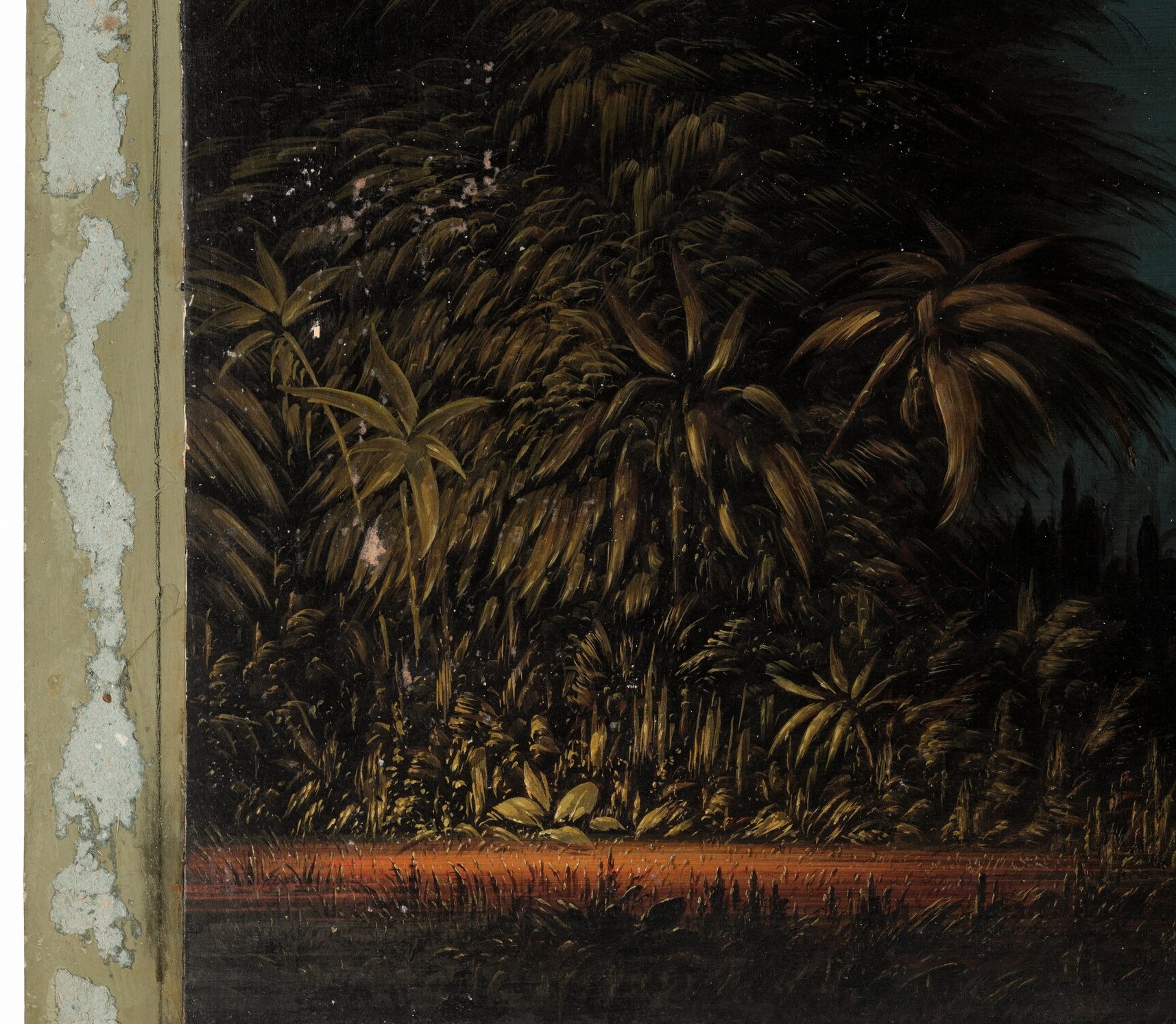
George Catlin's "Ignis Fatuus - Zurumati," painted between 1854 and 1869, captures the eerie beauty and danger of the American landscape. This oil on canvas, housed in a private collection, features mysterious spectral lights, known as "foolish fires," hovering over a dark marsh. These lights were believed to mislead travelers, imbuing the scene with a sense of the unknown.
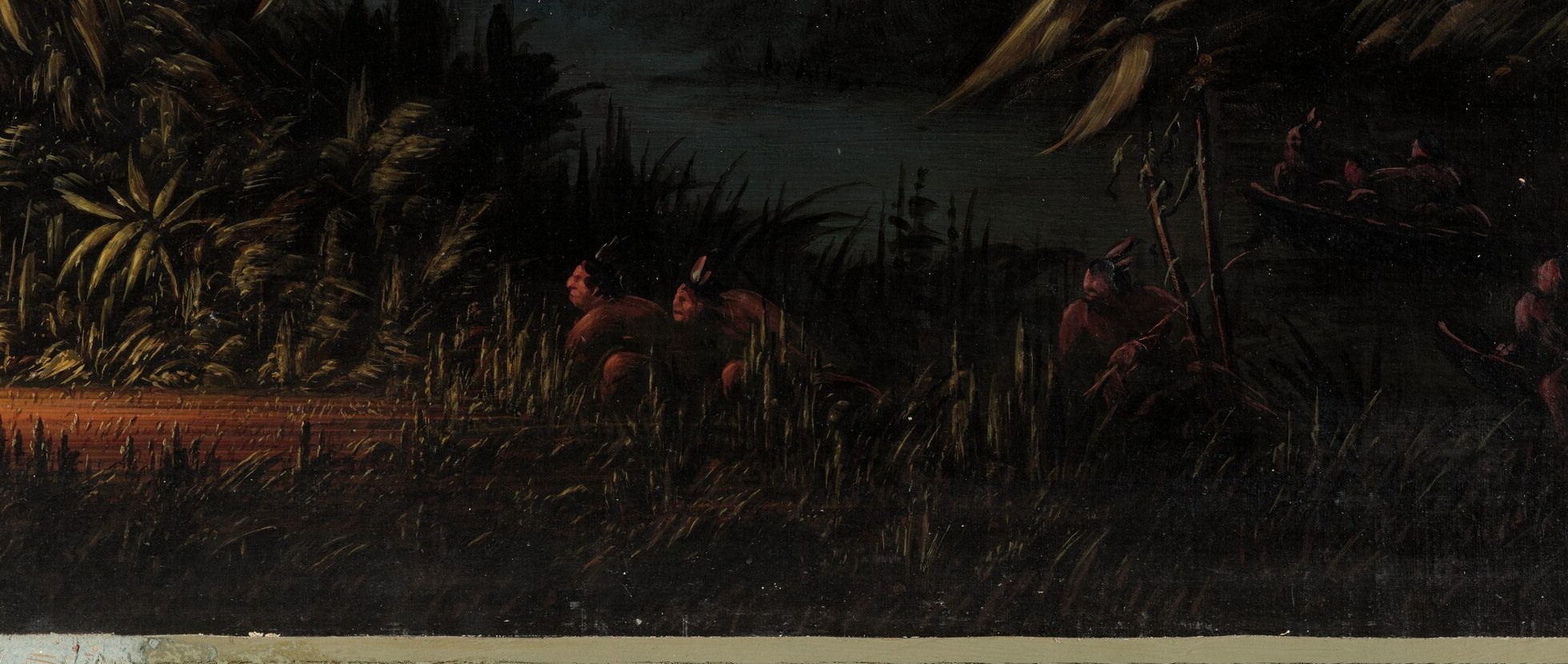
Look closely at the glowing orbs that float around the gnarled, solitary tree and reflect in the dark water. The small, indistinct figures in the foreground suggest human presence, perhaps navigating this treacherous environment.
Catlin, an American lawyer and painter, is best known for his portraits of Native Americans. This landscape, however, reflects his broader engagement with the untamed American frontier. He created multiple versions of this painting, each intensifying the mysterious depiction of these natural phenomena.
What stories might these vanishing figures hold in such a haunting place?
Details
Transcript
These are ignis fatuus, or “foolish fires.” They are misleading lights, a natural danger in the marsh. The painter, George Catlin, captured many American landscapes. He usually painted Indigenous life in the American West. Here, small figures vanish into the dark wilderness. Catlin made three versions, each more mysterious.