God the Father by Giovanni Ambrogio Bevilacqua
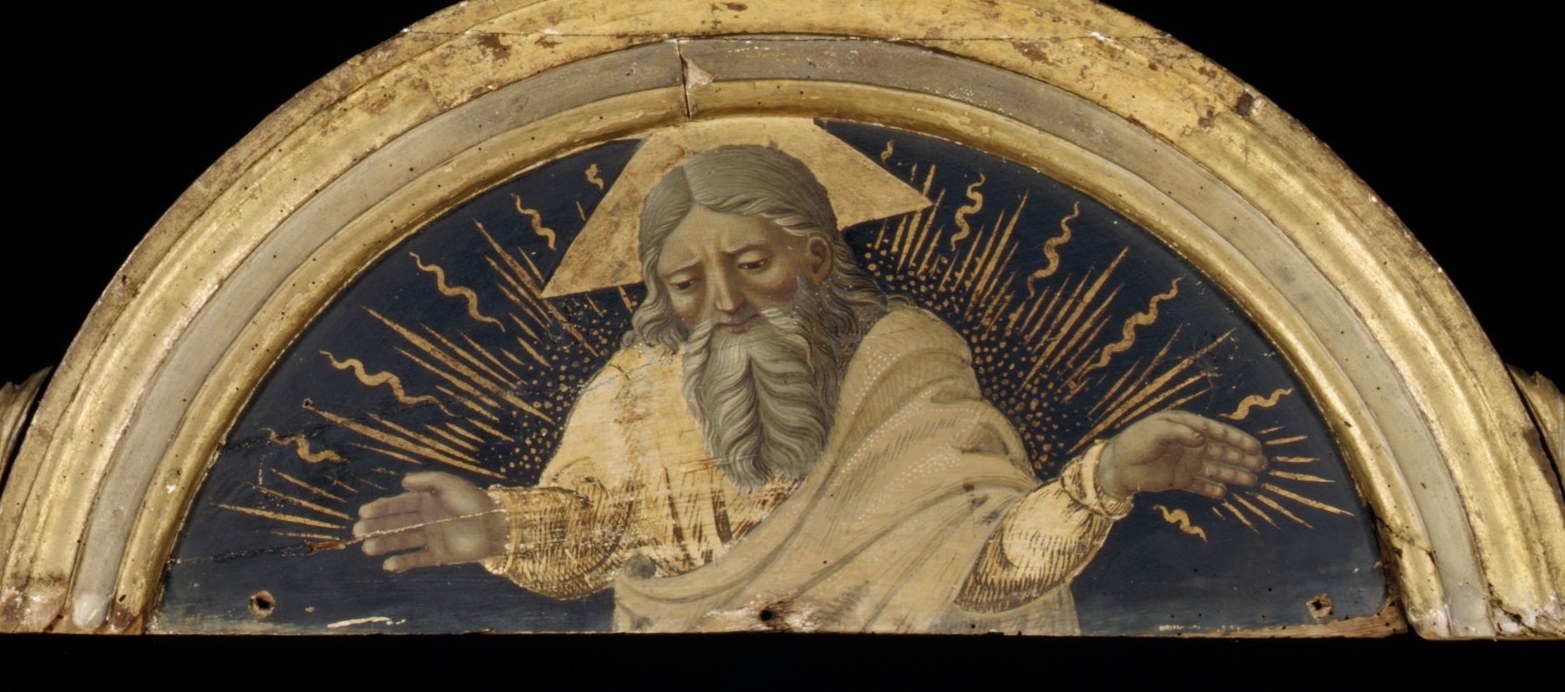
This painting, *God the Father* by Giovanni Ambrogio Bevilacqua (c. 1498), draws us into a divine realm with its aged depiction of the deity.
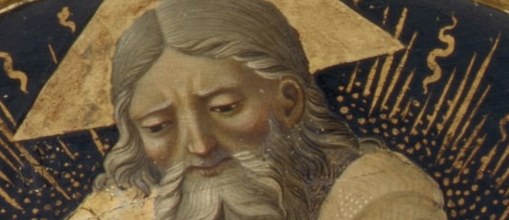
Most viewers are captivated by the central figure of God, His sorrowful expression, and the radiant golden arch. However, a closer look reveals an unexpected detail: a small, visible crack in the gilded surface of the arch, a subtle imperfection grounding the celestial vision.
Bevilacqua, a pupil of Vincenzo Foppa, painted this work in Lombardy during a period of artistic transition. The use of oil paint and the contrasting light and dark elements showcase both late-medieval and early Renaissance influences. The crack, while small, is a testament to the tangible application of paint and the artist's decision to include such realistic elements even in a sacred depiction.
What other hidden details might we discover in religious art?
Details
Transcript
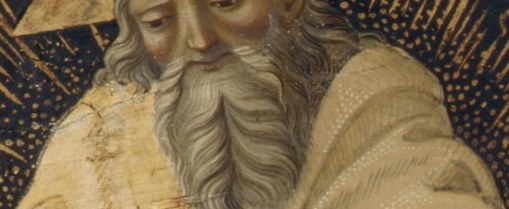
An ancient face looks out at you. This is God the Father, painted in 1498. Look at the texture of His robe. The painter was a pupil of Vincenzo Foppa. See the golden arch framing His head? There is a small crack in the gold. A tiny flaw in a divine image.