Portrait of Jan Boudaen Courten (1635-1716), lord of St. Laurens, Schellach and Popkensburg, Judge and alderman of Middelburg by Philip van Dijk
This formal oil portrait by Philip van Dijk, painted in 1721, depicts Jan Boudaen Courten, a prominent Dutch nobleman who served as a judge and alderman in Middelburg. The painting, now held at the Rijksmuseum, exemplifies the early 18th-century practice of commemorating civic officials.
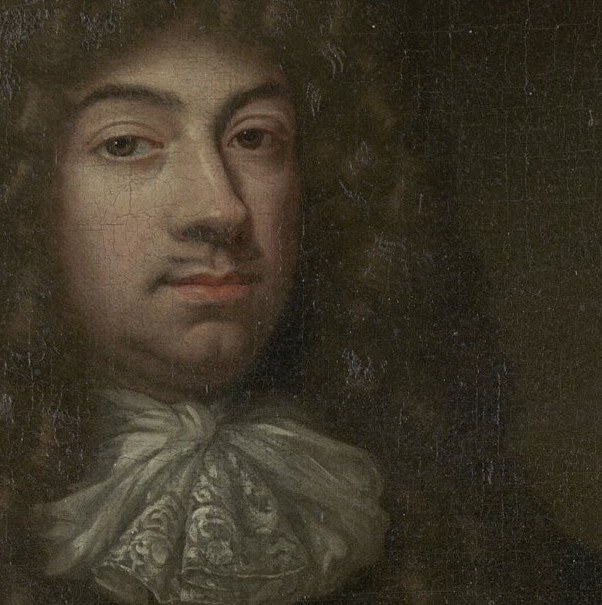
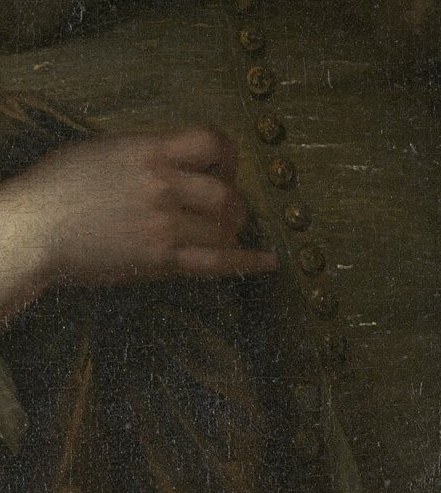
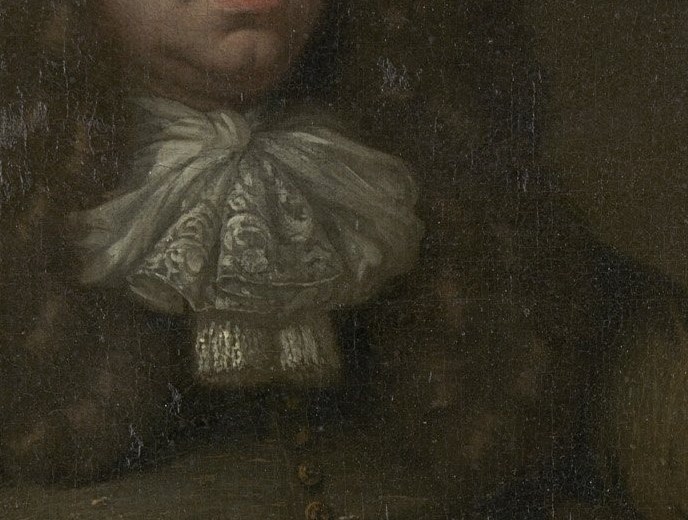
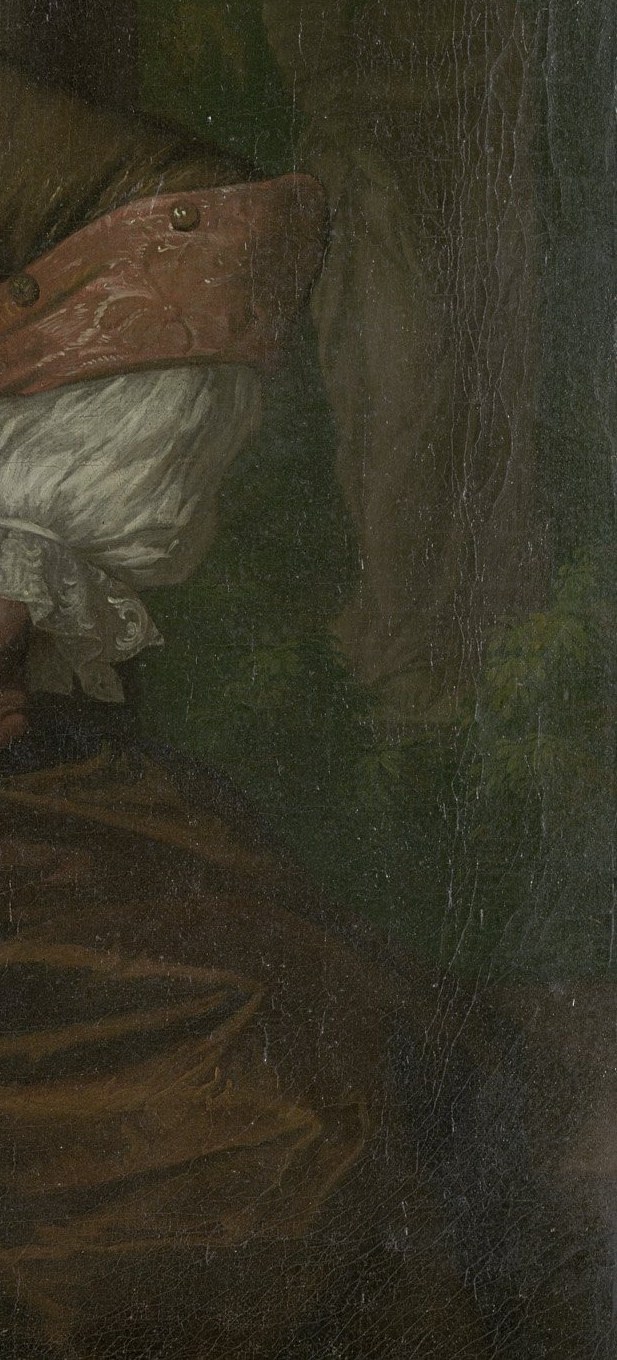
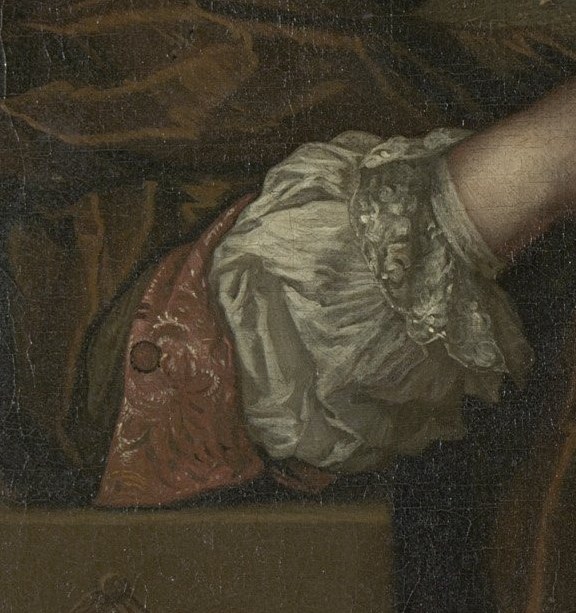
Observe Courten’s solemn expression, the elaborate lace collar, and the chain he holds, likely a symbol of his office, all communicating his civic authority and aristocratic status. The rich velvet and delicate embroidery further emphasize his wealth and standing.
Philip van Dijk, born in the small village of Oud-Beijerland, rose to become a highly sought-after artist. He painted for various European royal courts, including those in Hesse-Kassel and Prussia, demonstrating a remarkable journey from provincial origins to international renown. This portrait is a testament to his skill and the societal conventions of his time.
What details do you notice that speak to Courten's status?
Details
Transcript
This is Jan Boudaen Courten, a Dutch nobleman and judge. He was painted in 1721 by Philip van Dijk. His left hand grasps a chain, a symbol of his office. His rich velvet coat and lace collar show his status. But the painter himself was born in a small Dutch village. Philip van Dijk rose to paint royalty across Europe.